Prof. Pittman completes his substantiation review
We are delighted to share that Prof. Pittman successfully completed his substantiation review (tenure review) and has started his new role as an Associate Professor in the School of Life Sciences. This milestone is a reflection of the consistent hard work and achievement by the lab and its collaborators over a significant period of time. Cheers!
Congrats Dr. Chotard & Dr. Grosmougin!
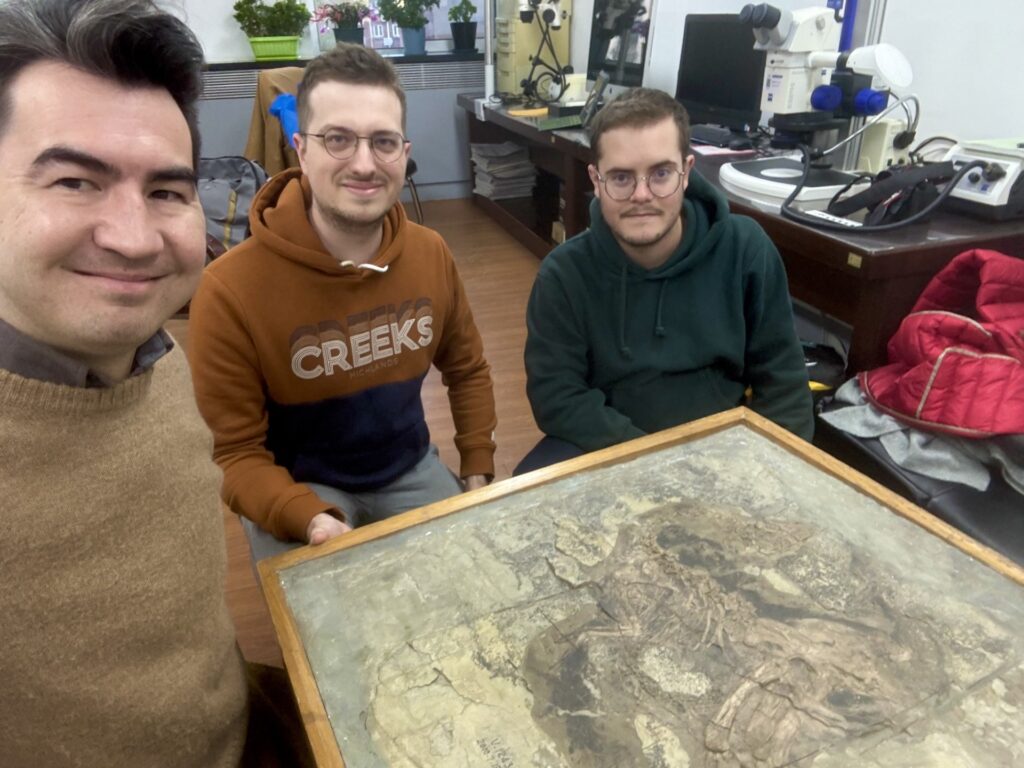
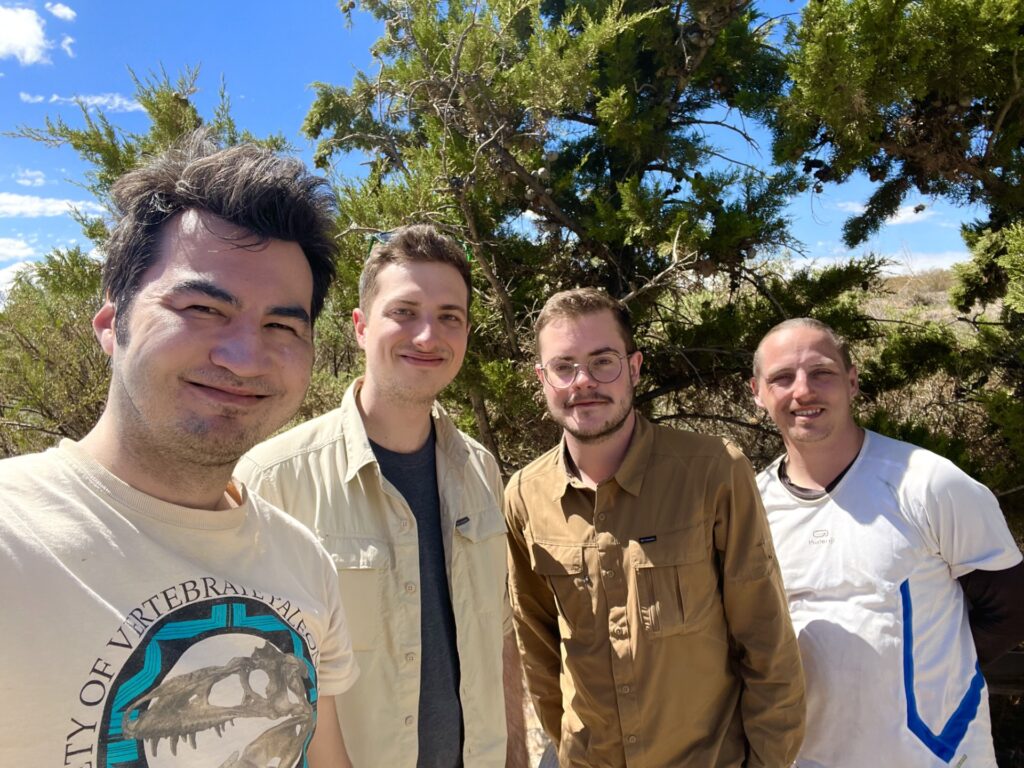
We are delighted to share that Matthieu Chotard and Maxime Grosmougin have completed their PhD studies. They both were award a pass with minor corrections that they both completed within 1 month. We are lucky Matthieu and Maxime will both stay on with us as postdoctoral research fellows to continue to their work on paravian wings, hindwings and tails. Well done guys!
Welcoming PhD students Zack and Andy!
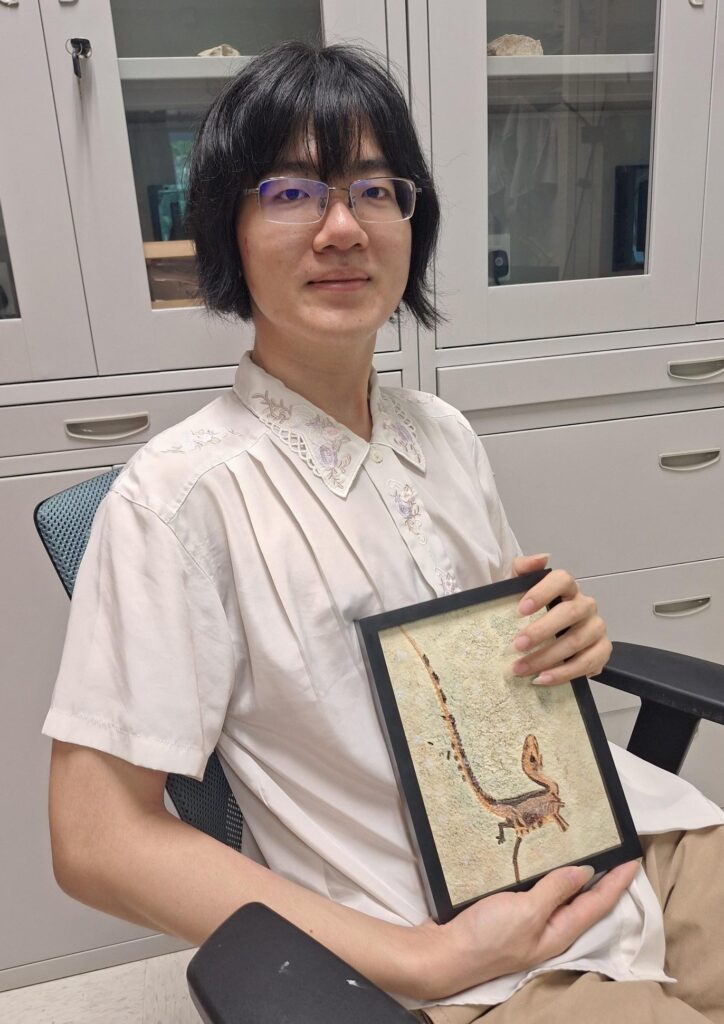
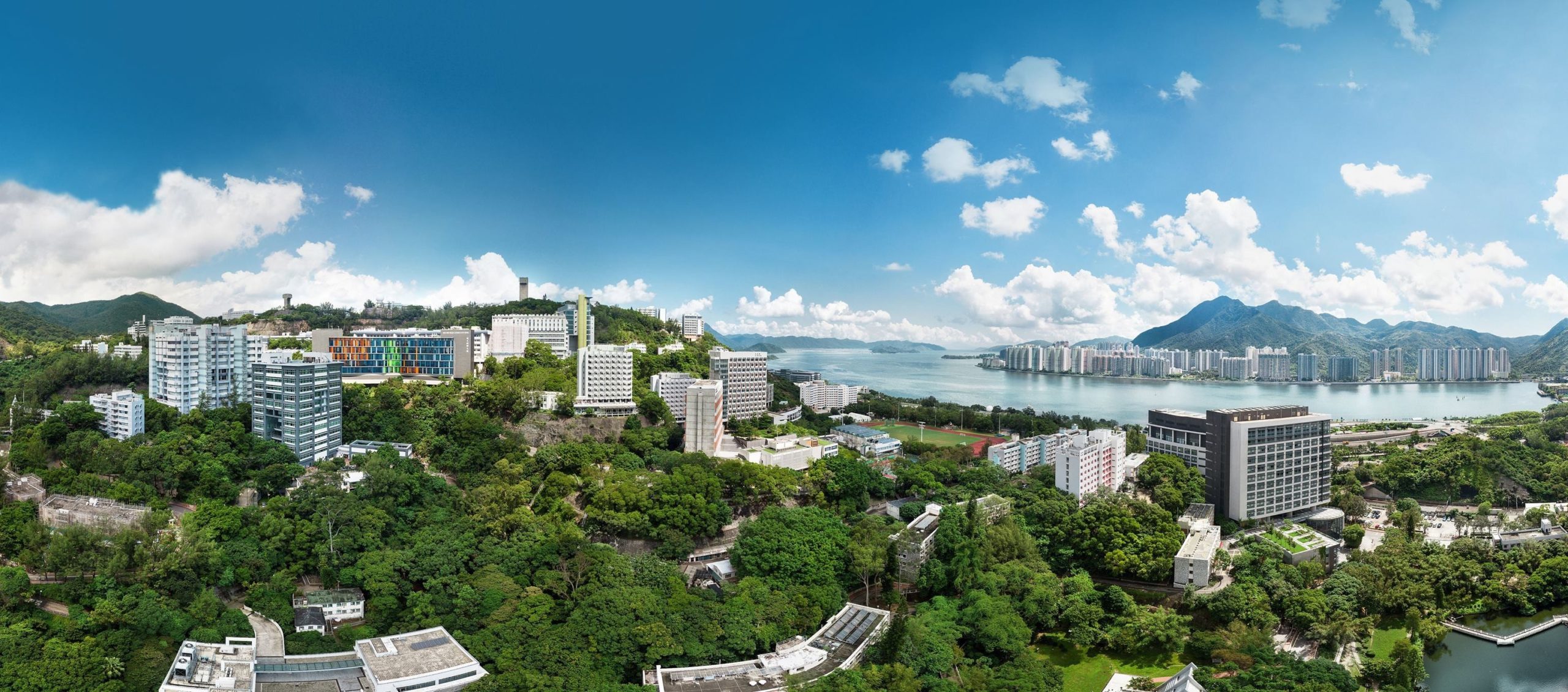
A warm welcome to PhD students Zack Or and Andy Xu. Both Zack and Andy were previously volunteers in our lab. Zack joins us from the University of Bristol for a project on pterosaur wing structure and function. Andy joins from the Department of Earth and Environmental Science of The Chinese University of Hong Kong. Andy is studying the shoulders of paravian dinosaurs.
Portable time-gated fluorescence spectroscopy and imaging
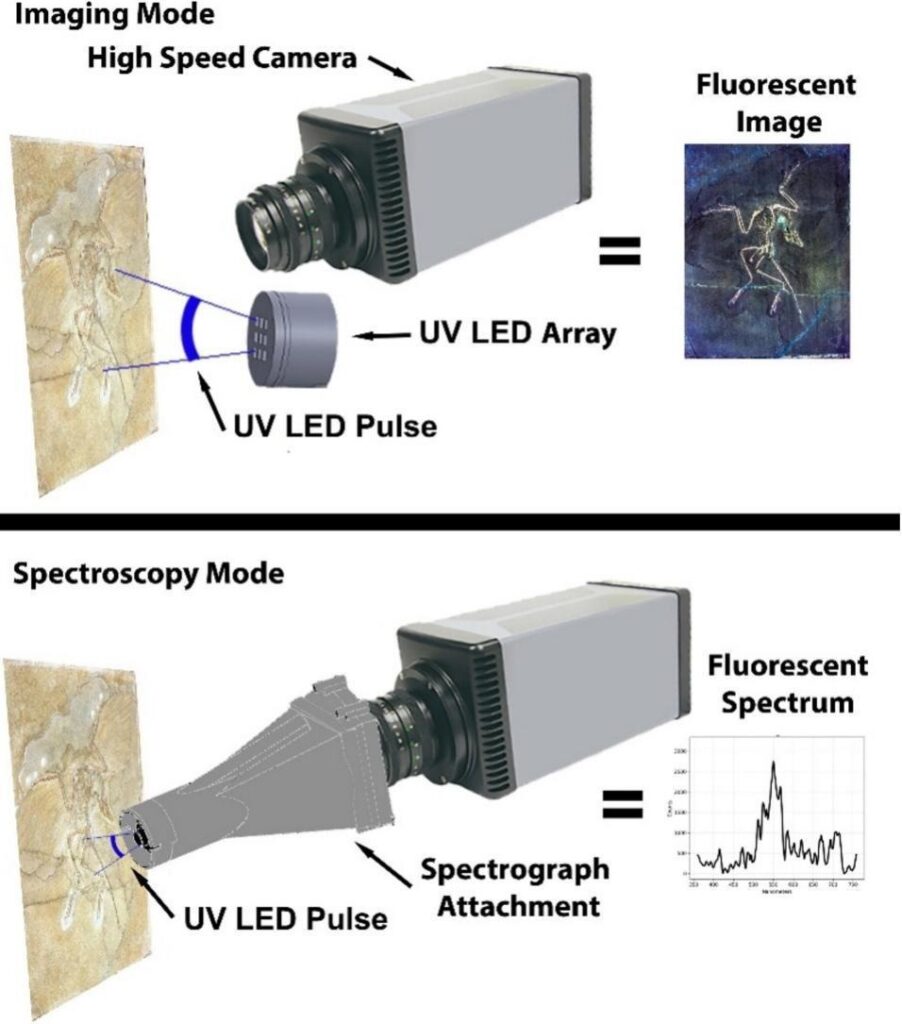
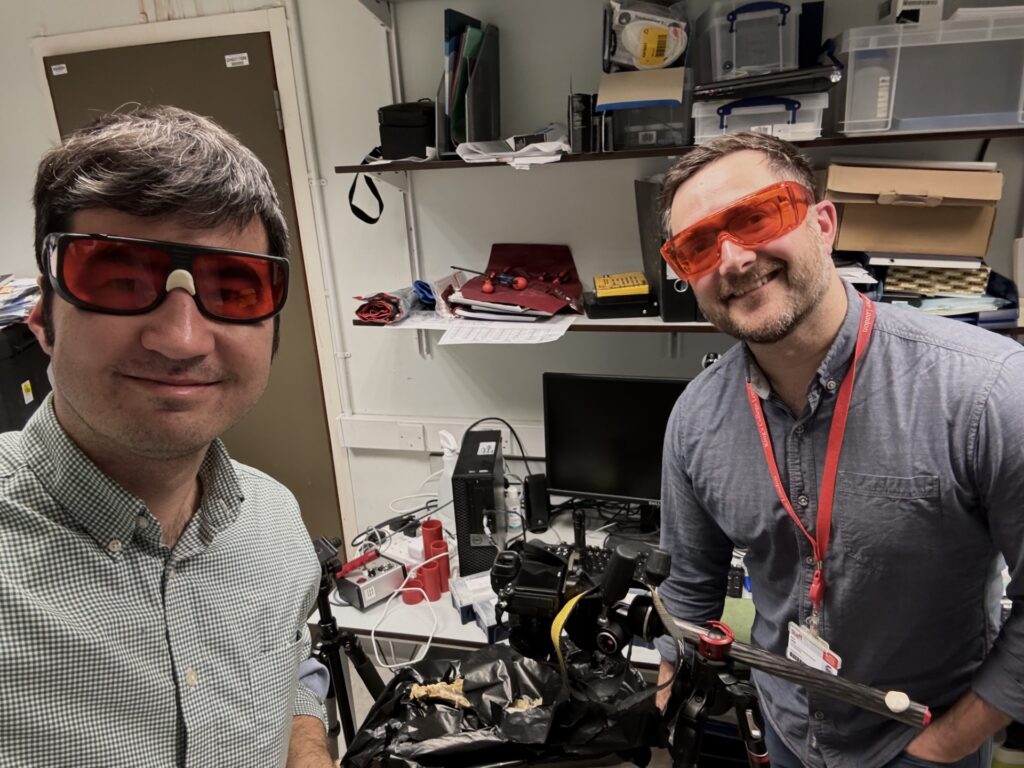
Non-destructive LSF imaging of fossils reveals previously unseen fossilised soft tissues relating to parts per million level fluorescence, but its sources remain unknown. In this foundational study with Thomas G. Kaye, we describe first results from a portable, non-destructive spectroscopy and imaging system that addresses this detection gap. We discuss how this system can be used across paleobiology and in related fields like archaeology, especially in museum and field settings where in situ analysis is difficult and whenever specimens cannot be destructively sampled. Spectrochimica Acta Part A: Molecular and Biomolecular Spectroscopy paper: Elemental analysis of fossils using portable time-gated fluorescence spectroscopy and imaging – ScienceDirect
Refined aerodynamics in gliding dinosaurs & Microraptor wing anatomy
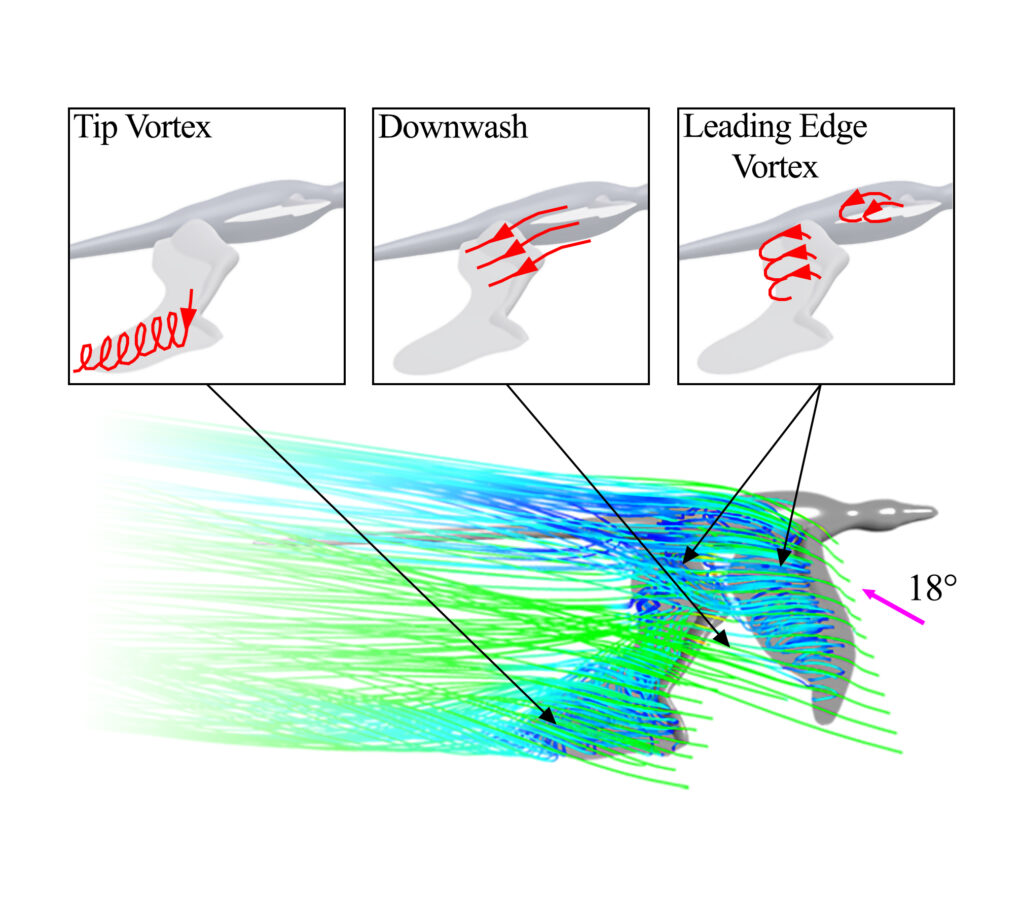
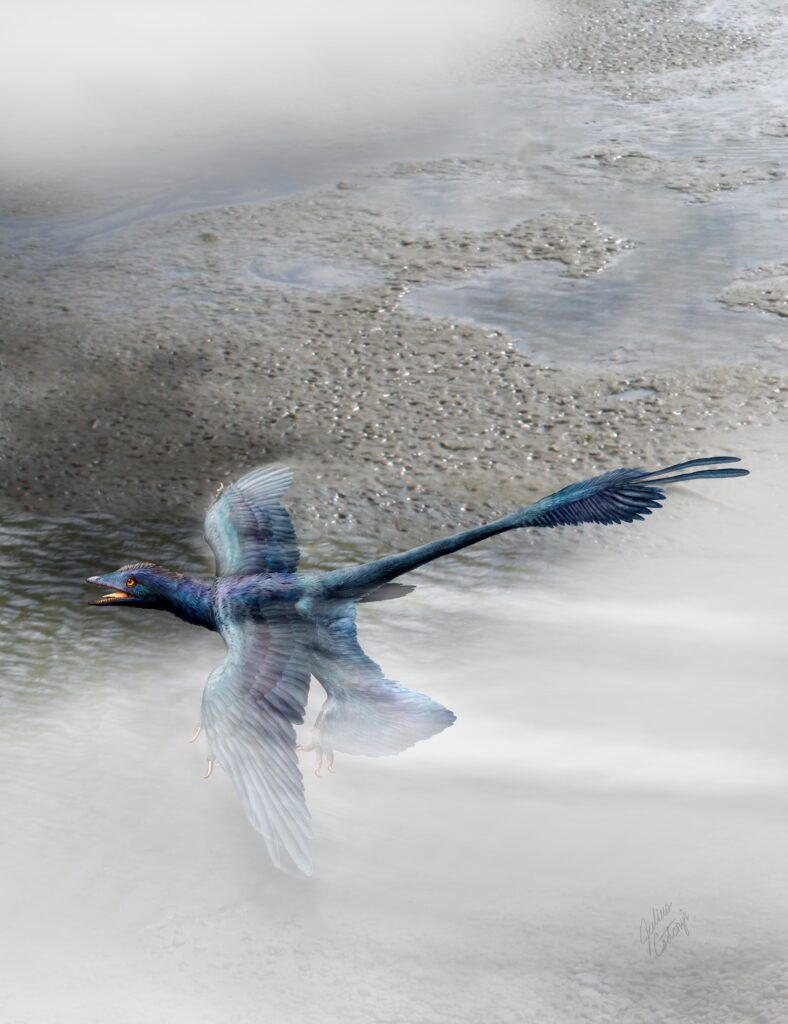
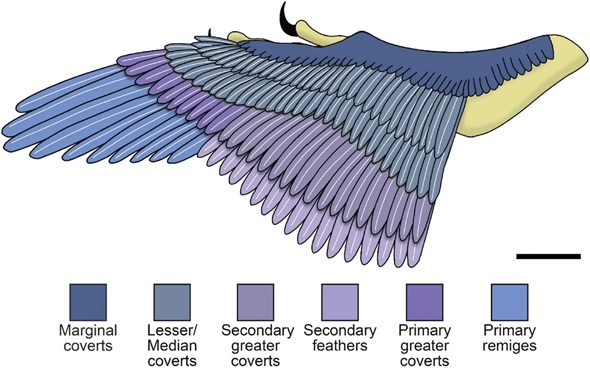
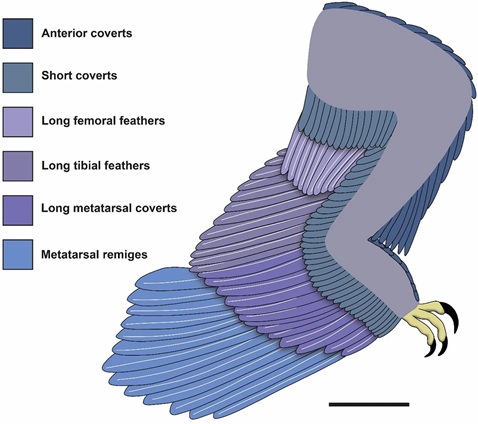
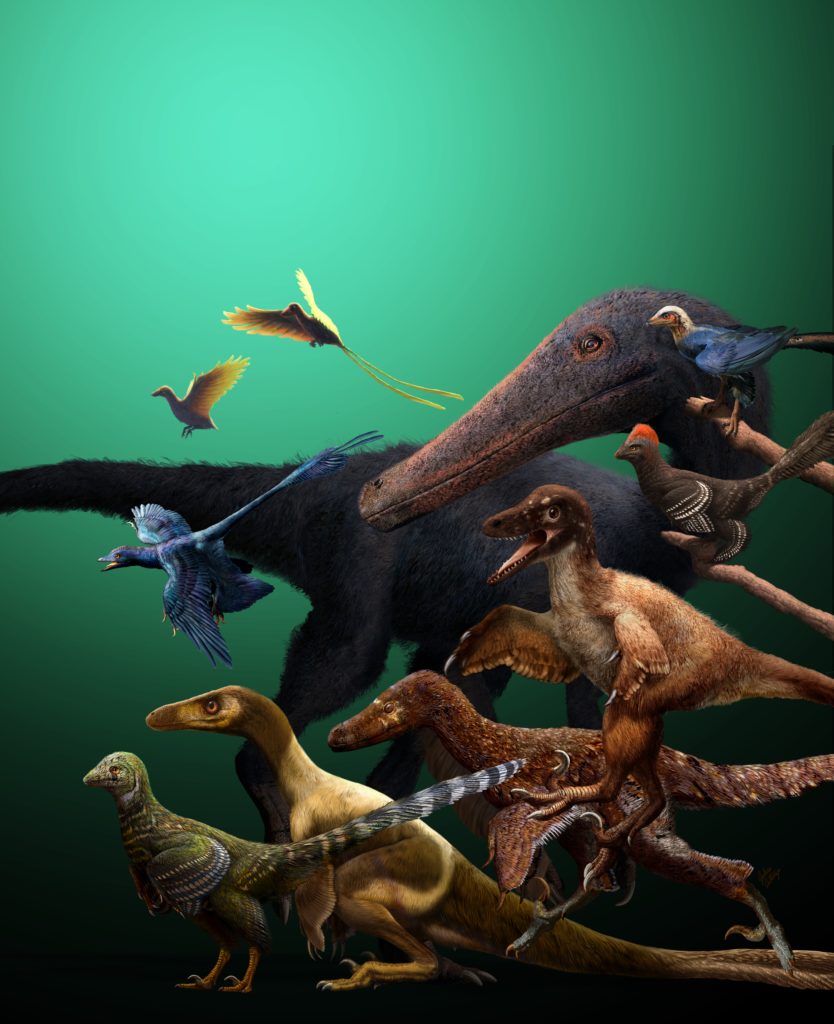
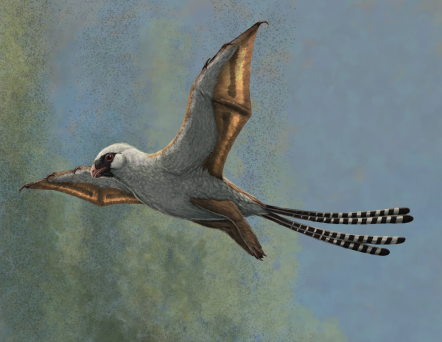
We uncovered that early multi-winged dinosaurs were already capable of utilising sophisticated aerodynamic features found in modern birds and insects while gliding. The study focussed on Microraptor, the iconic small and iridescent dromaeosaurid from the Early Cretaceous period ~125 million years ago. Our research uses quantitative computer simulations for the first time to analyse how airflow interacted with Microraptor’s forewings and hindwings during gliding. Read more in the PNAS paper: Microraptor reveals specialized gliding capabilities in multiwinged early paravians | PNAS Press release: CUHK research uncovers sophisticated aerodynamics utilised by multi-winged gliding dinosaurs | CUHK Communications and Public Relations Office Congratulations to first author Csaba Hefler who conducted the computer simulations as part of his postdoctoral project in the lab. This work was made possible by detailed monographic descriptions of the forewing and hindwing anatomy of multiple specimens of Microraptor as part of the PhD projects of Maxime Grosmougin and Matthieu Chotard. Their work published in two papers within the special vertebrate flight collection of BMC Ecology and Evolution are landmark studies for anyone interested in the flight anatomy of feathered dinosaurs and early birds. Forewing paper: Forelimb feathering, soft tissues, and skeleton of the flying dromaeosaurid Microraptor | BMC Ecology and Evolution | Springer Nature Link Hindwing paper: New information on the Hind limb feathering, soft tissues and skeleton of Microraptor (Theropoda: Dromaeosauridae) | BMC Ecology and Evolution | Springer Nature Link These impressive papers are also the first papers of Maxime’s and Matthieu’s PhD projects.
Haolong, the hedgehog dinosaur!
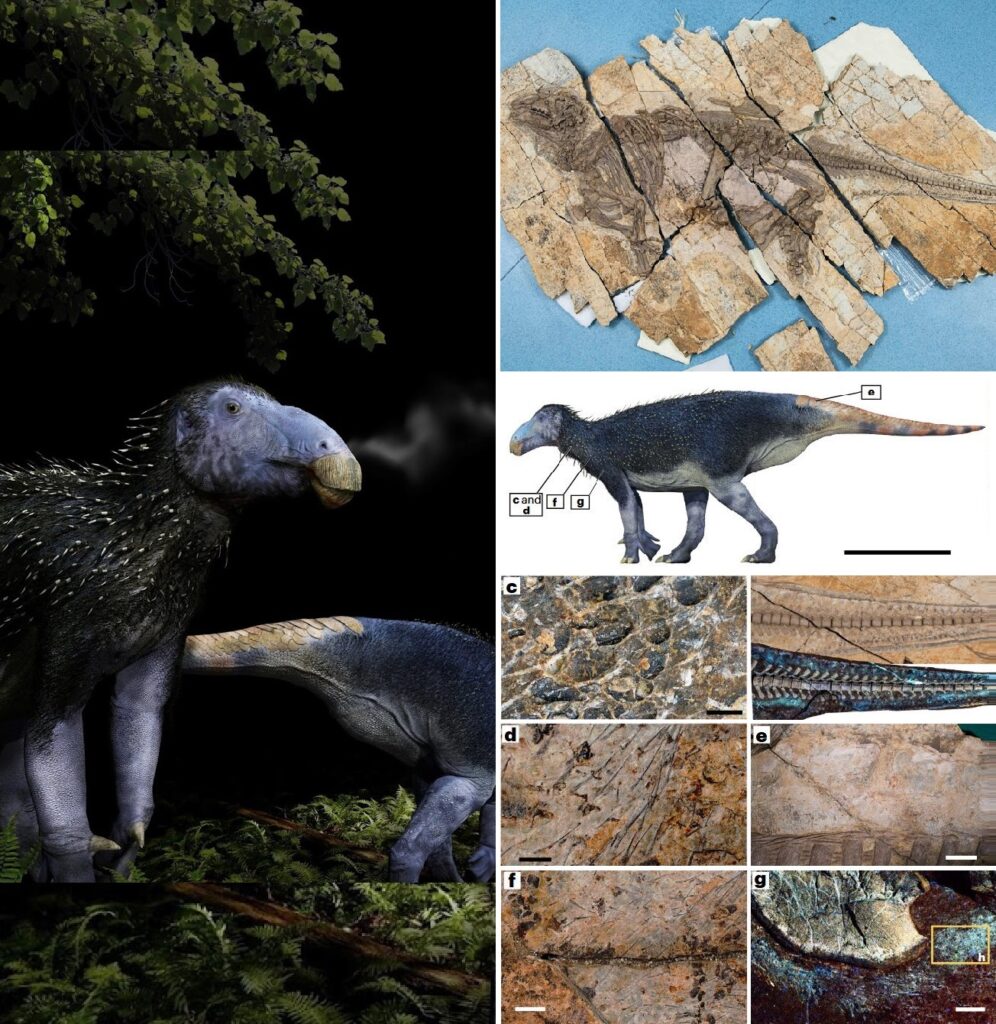
Michael Pittman and Thomas G. Kaye used LSF imaging to clarify the exquisitely fossilized skin surrounding the near-complete and articulated skeleton of a new iguanodontian dinosaur, Haolong dongi gen. et sp. nov., from the Lower Cretaceous of northeastern China. Nature E&E paper: Cellular-level preservation of cutaneous spikes in an Early Cretaceous iguanodontian dinosaur | Nature Ecology & Evolution
Diet of troodontid dinosaurs
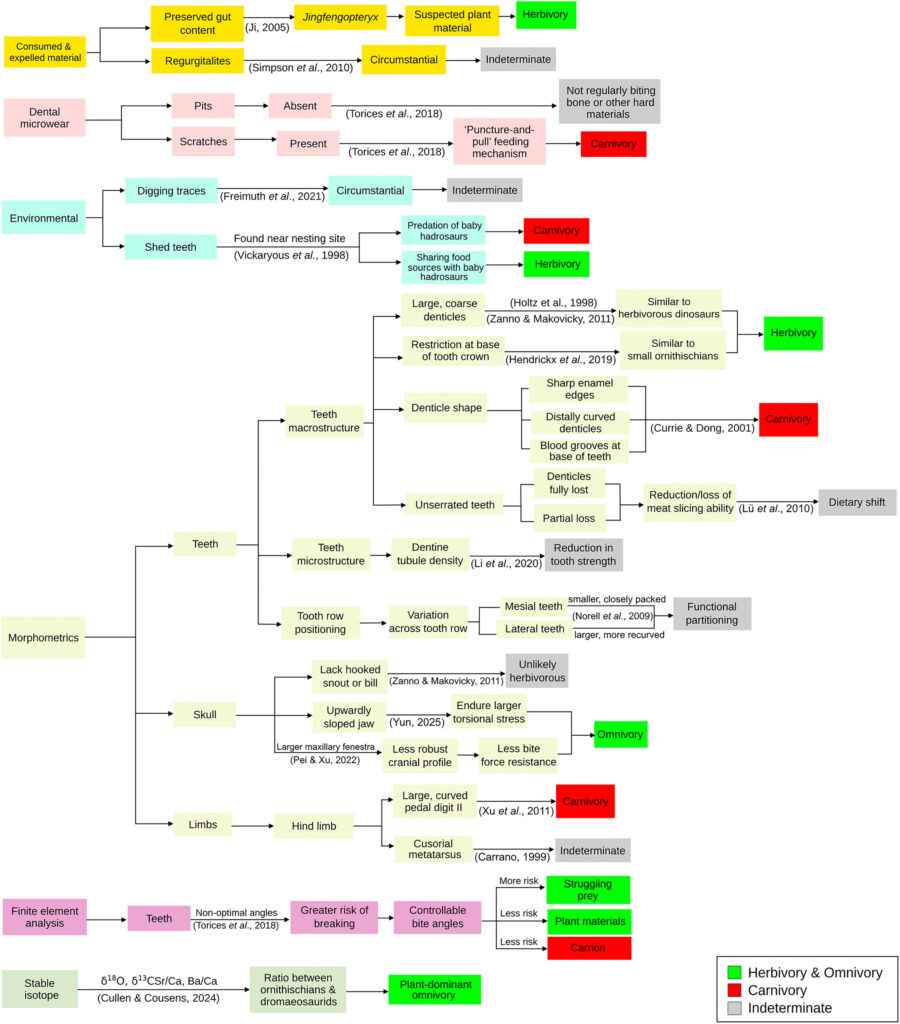
PhD student Audrey Fan in collaboration with Michael Pittman and former PhD student Case V. Miller published a review of troodontid dinosaur diet in Biological Reviews. The iconic Troodon was found to be a plant-dominated omnivore, but the diet of other species remains under-researched. However, what was synthesised suggests that both ancestral deinonychosaurian and paravian diets were both omnivorous. Congrats to Audrey on her first paper which is the outcome of volunteer work she started in the lab during her BSc studies.
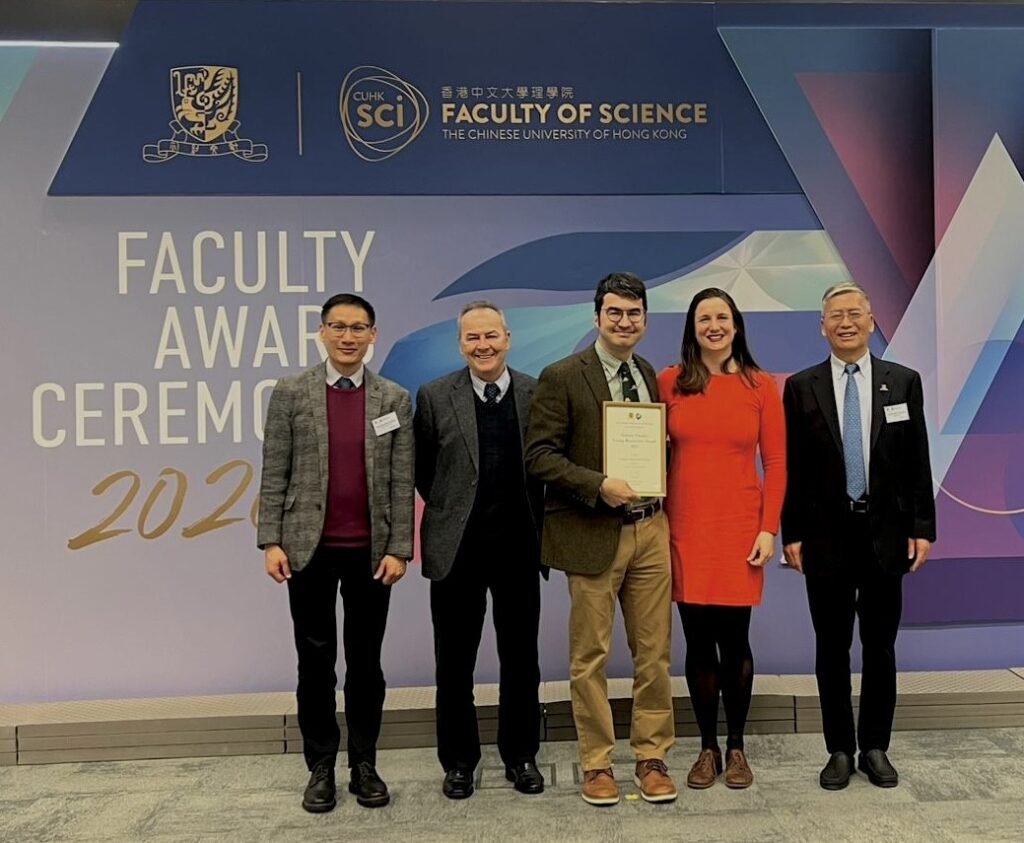
Faculty Young Researcher Award 2024
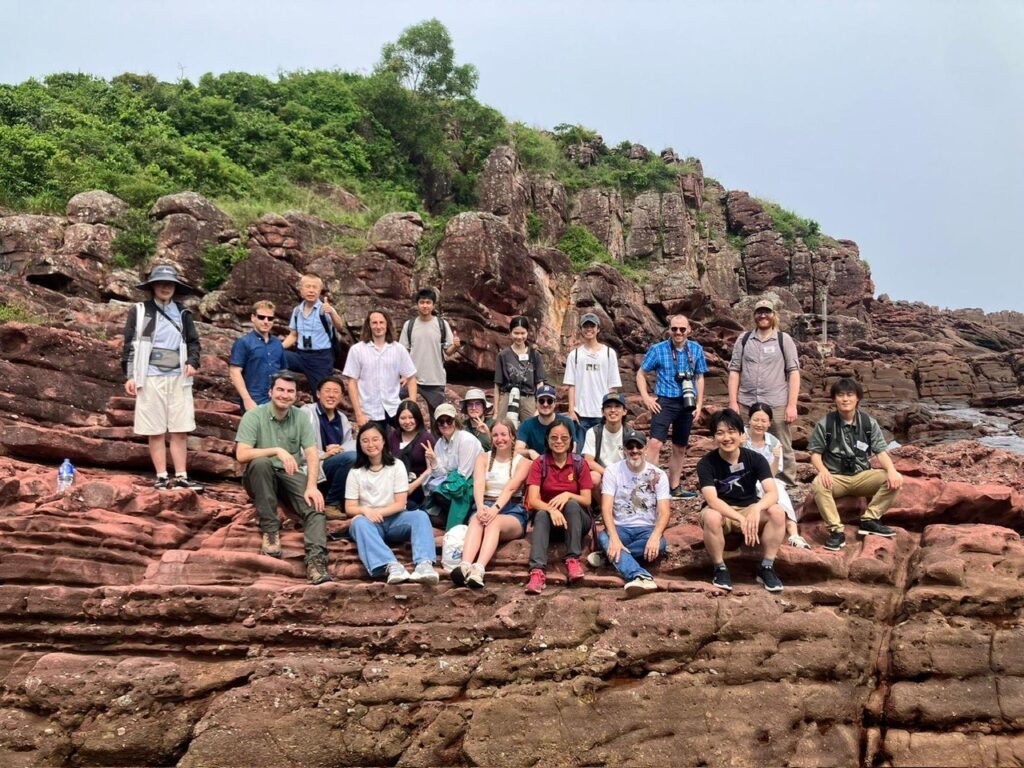
Annual Meeting of the Willi Hennig Society
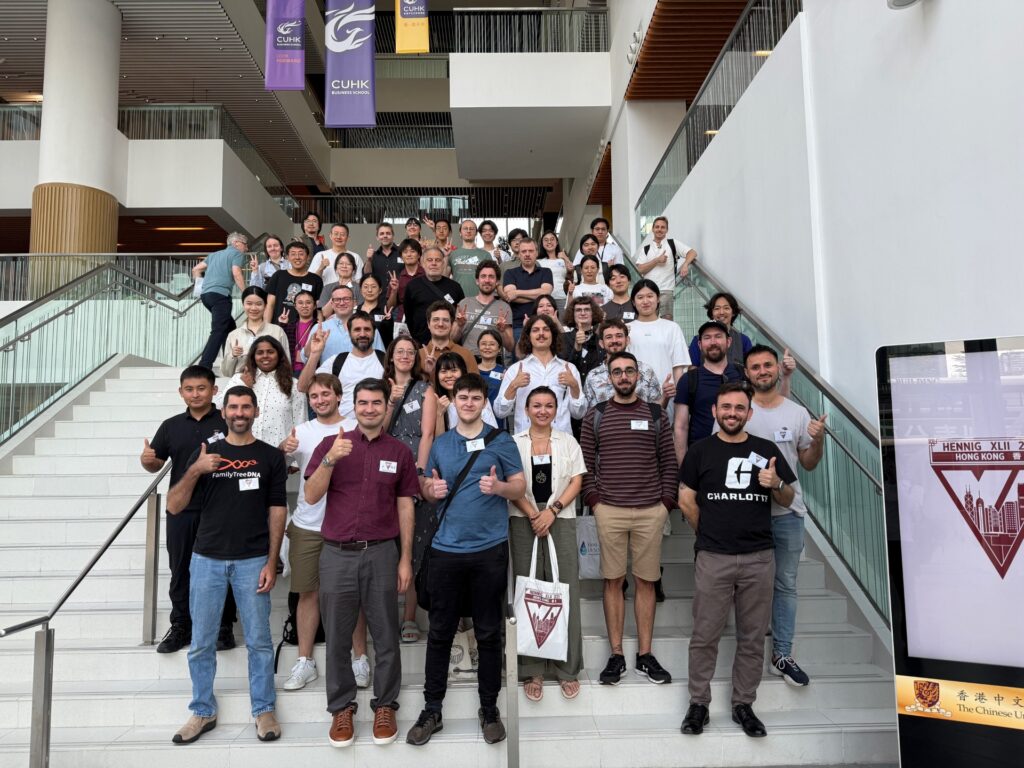
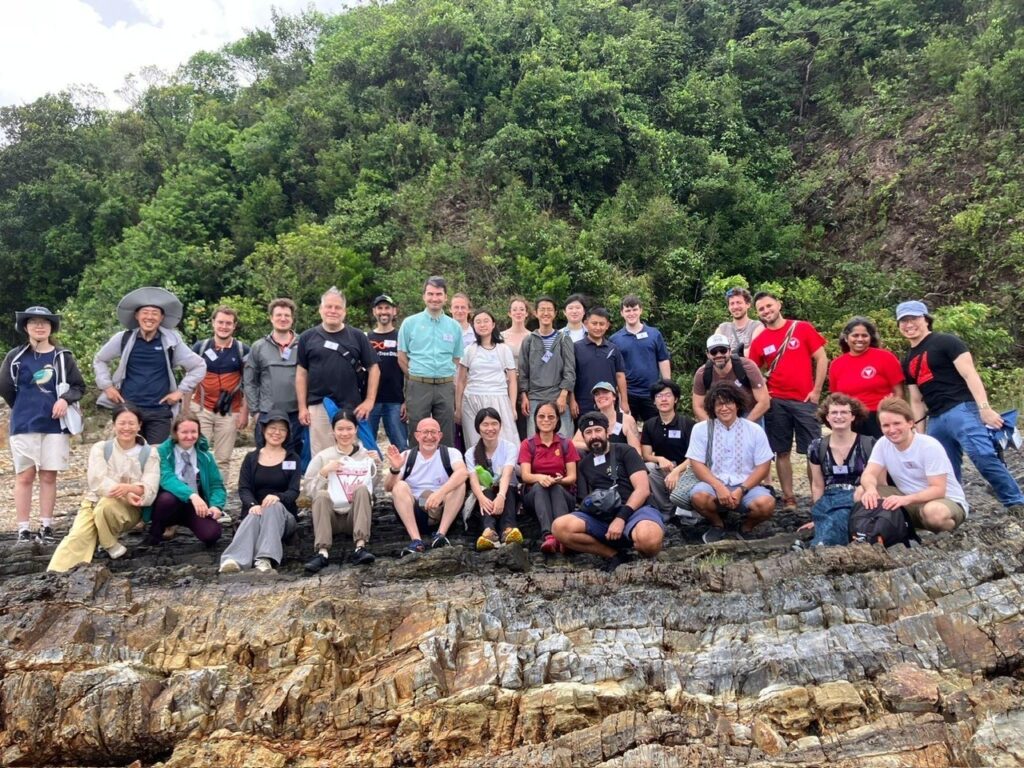
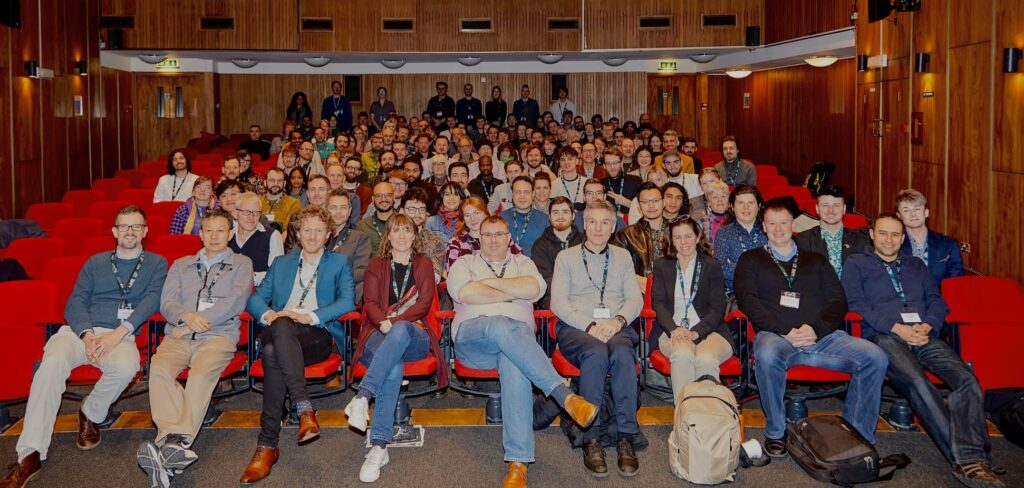
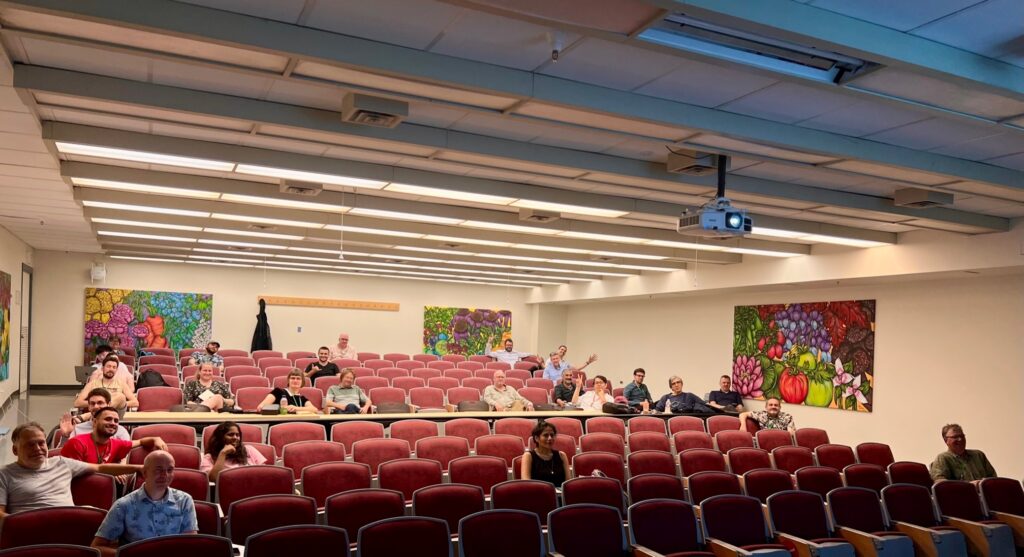
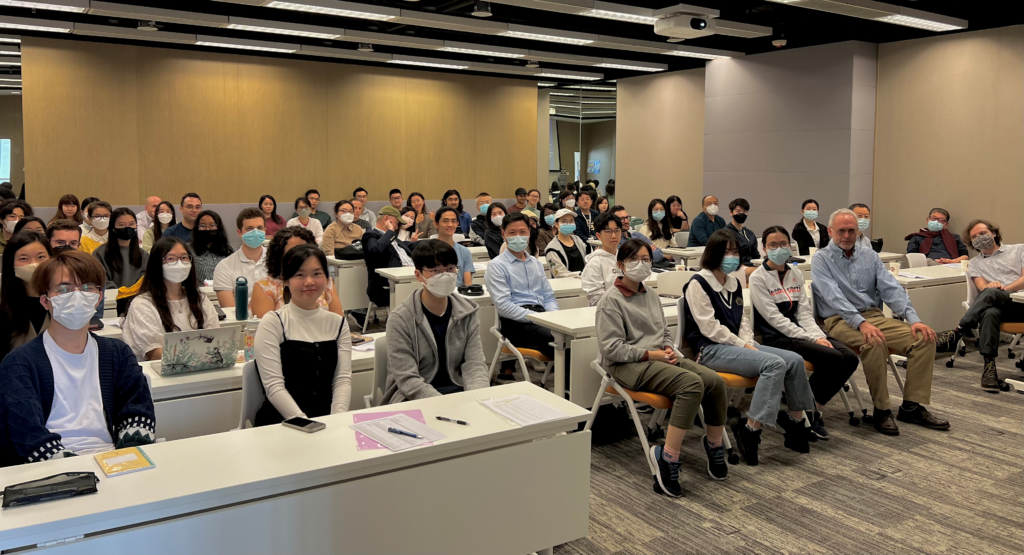
The XLII Annual Meeting of the Willi Hennig Society was successfully hosted by our lab at CUHK from Tuesday July 22nd to Friday July 25th, 2025 at the Henry Cheng International Conference Centre (XLII – Annual Meeting 2025 – Willi Hennig Society). ~80 colleagues from across the globe, including from the four corners of China, converged on CUHK to discuss and advance the science of phylogenetic systematics. Covering the whole tree of life and relating to topics as diverse as infectious disease and palaeobiology, the meeting was fruitful and rewarding and attracted a broad demographic including many of our own SLS students and colleagues. We wish to thank the host team, SLS, the Faculty of Science and conference centre staff for their support and contributions that helped make the event a success. Next year’s Annual Meeting will be held in Bogotá, Colombia.
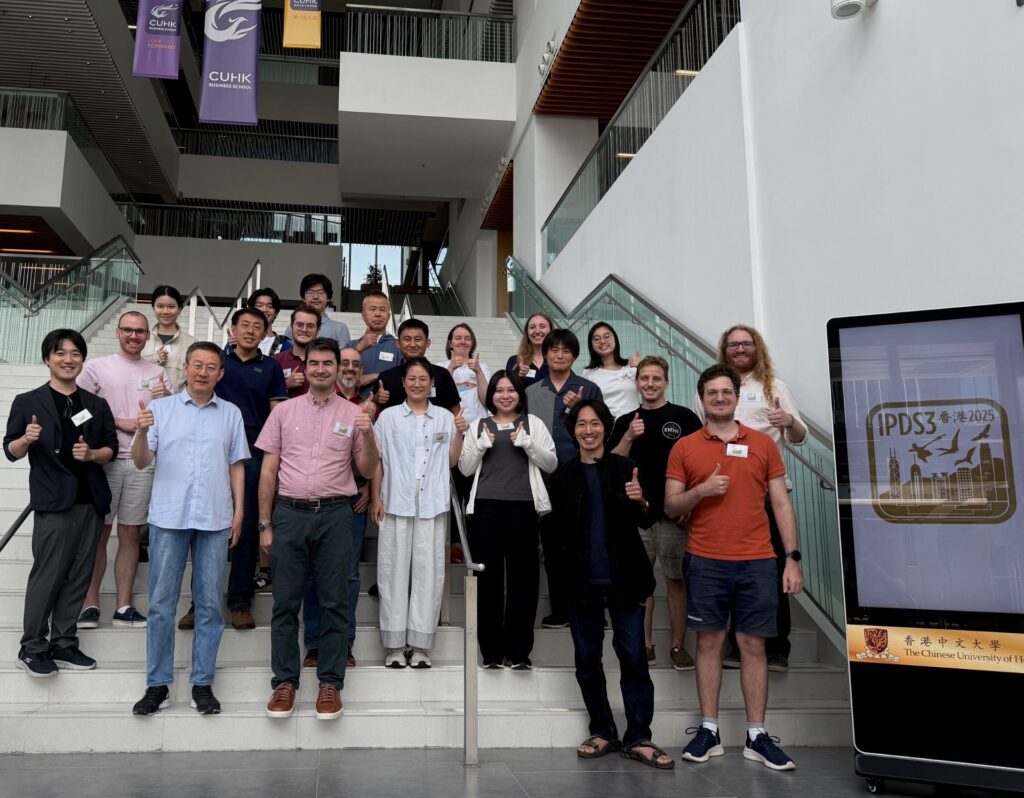
Welcoming PhD students Kacper and Alex!
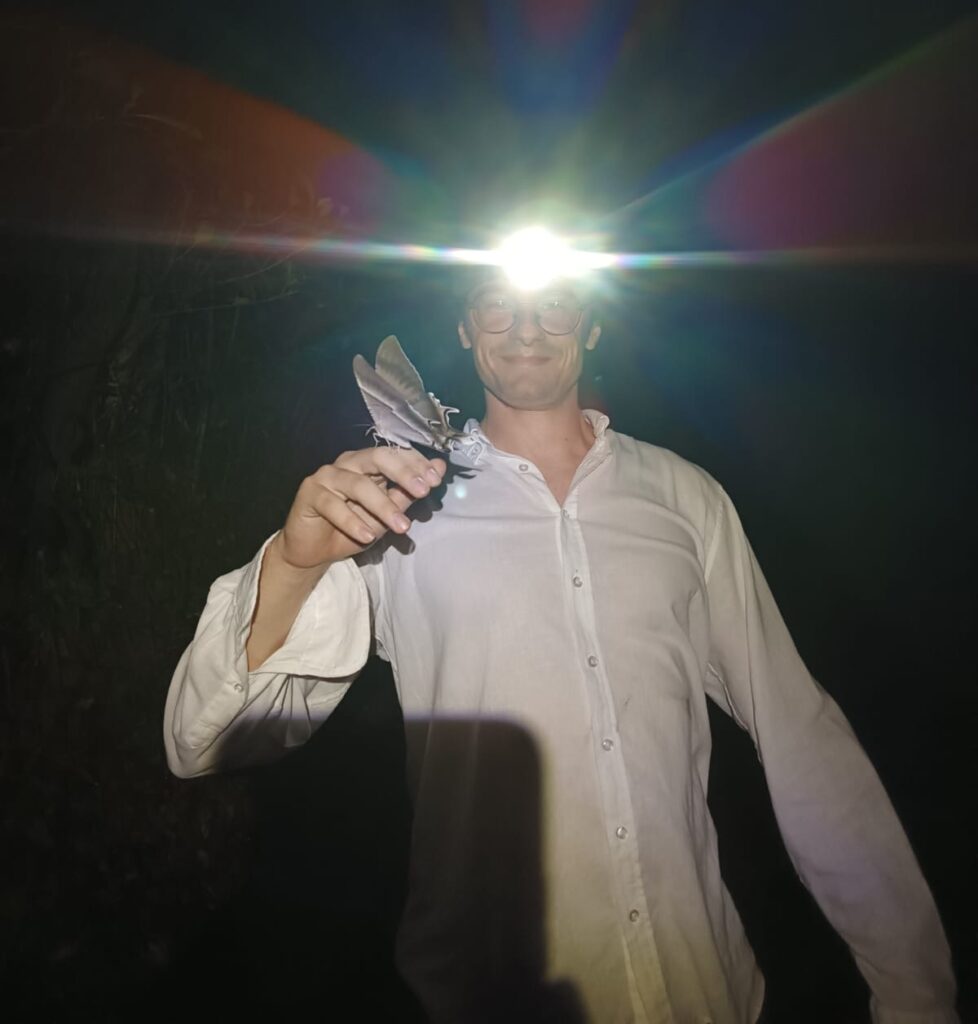
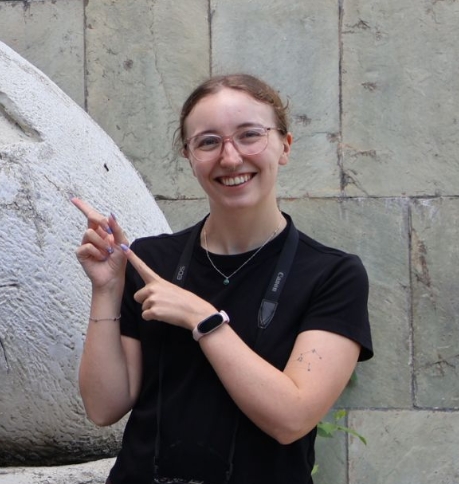
A warm welcome to PhD students Kacper Węgrzyn and Alex McCombie. Kacper joins us from Warsaw University of Life Sciences for a project on Cretaceous lizards. Alex joins from The University of Edinburgh where she was supervised by Prof. Stephen L. Brusatte. Alex’s project is on flight evolution in non-avialan dinosaurs.
Welcoming postdoctoral researcher Natalia!
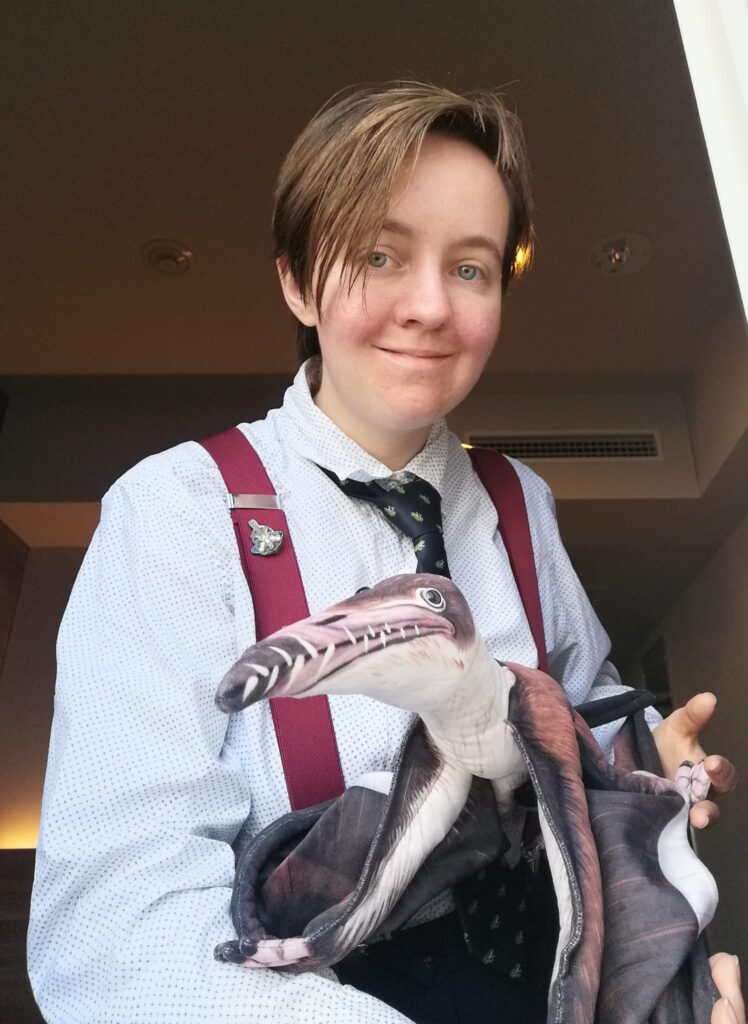
A warm welcome to postdoctoral research fellow Dr. Natalia Jagielska. Natalia also joins us from The University of Edinburgh where she completed her PhD on the Middle Jurassic evolutionary transitions of pterosaurs also under the supervision of Prof. Stephen L. Brusatte. Natalia will continue her pterosaur work at CUHK focusing on preserved soft tissues and their implications for studying flight and integument evolution.
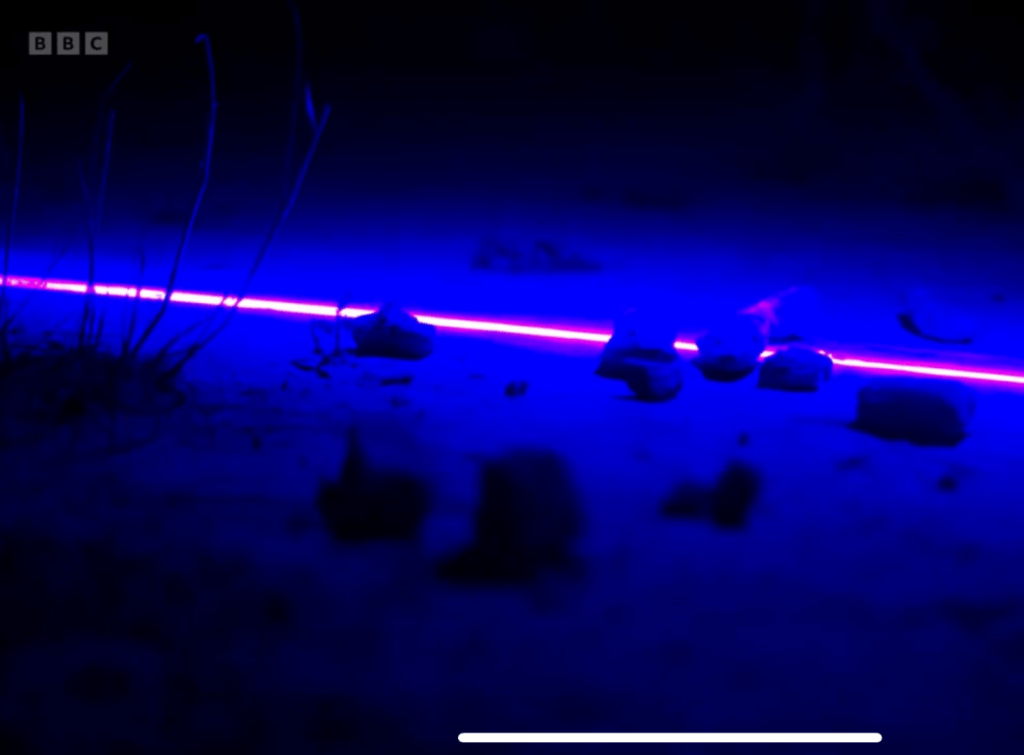
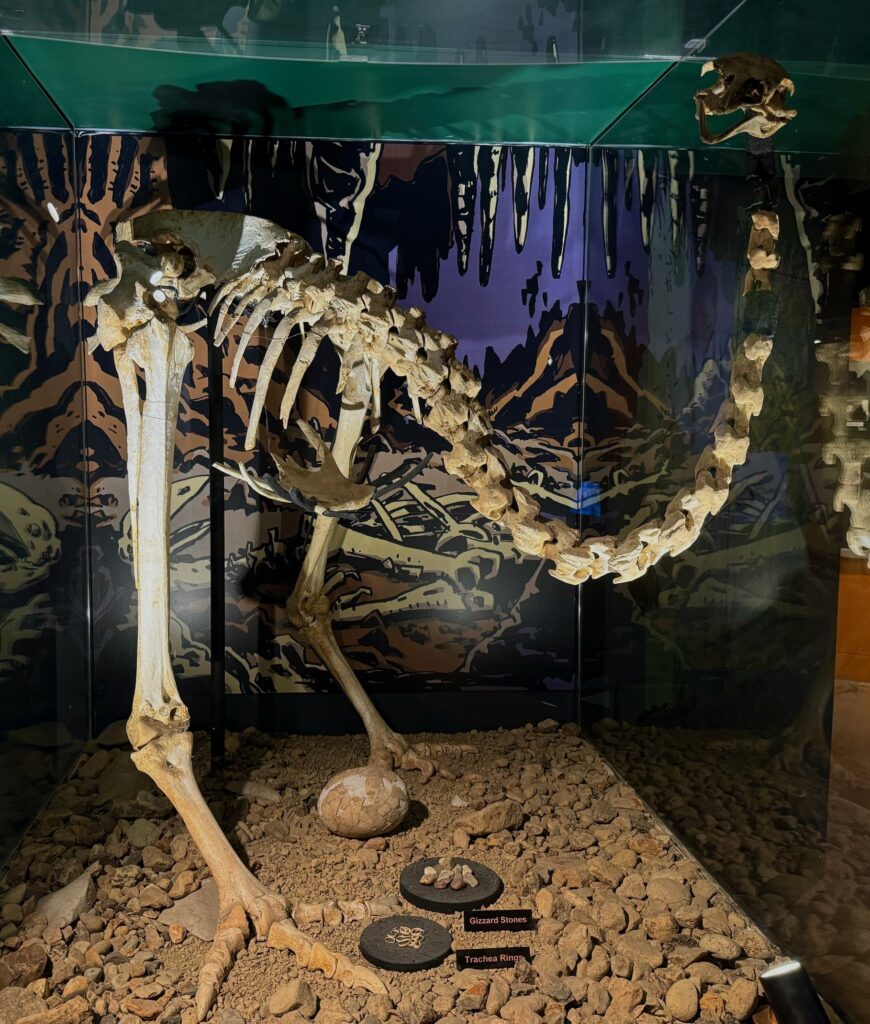
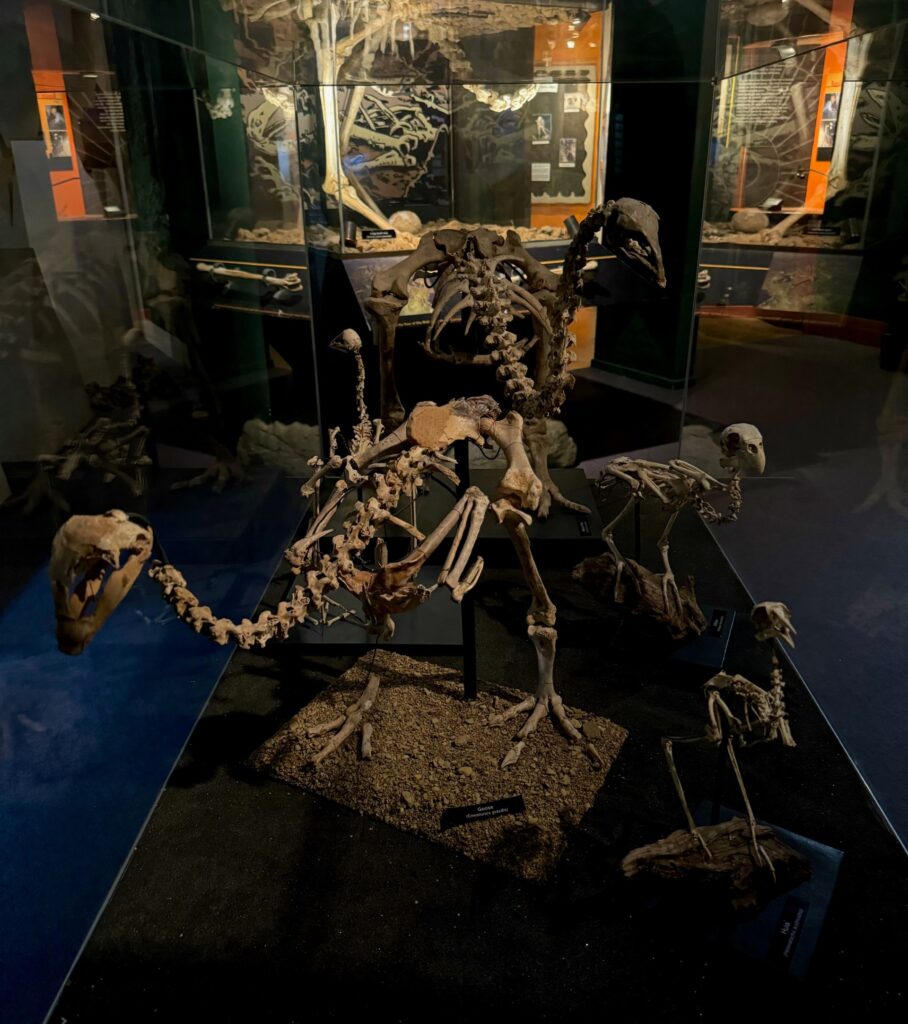
Walking with Dinosaurs documentary
Willi Henning Meeting Palaeo Symposium @ Cornell University
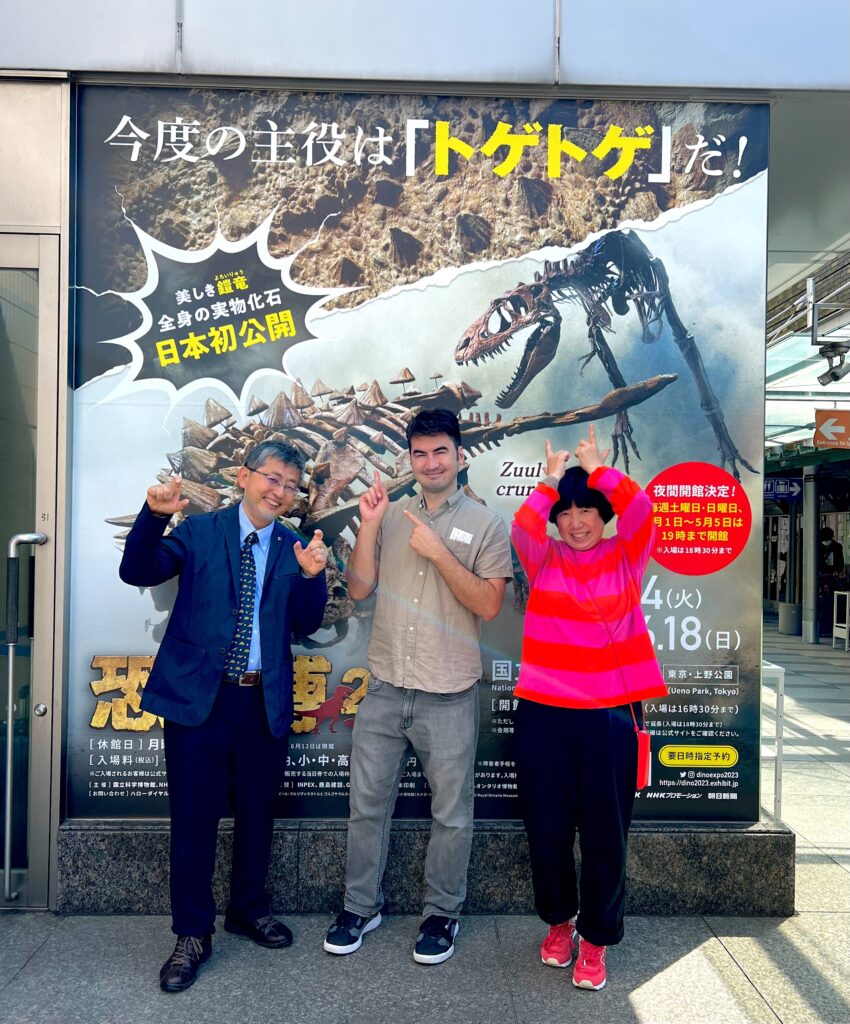
LSF retrospective in The Dinosaur Expo 2023
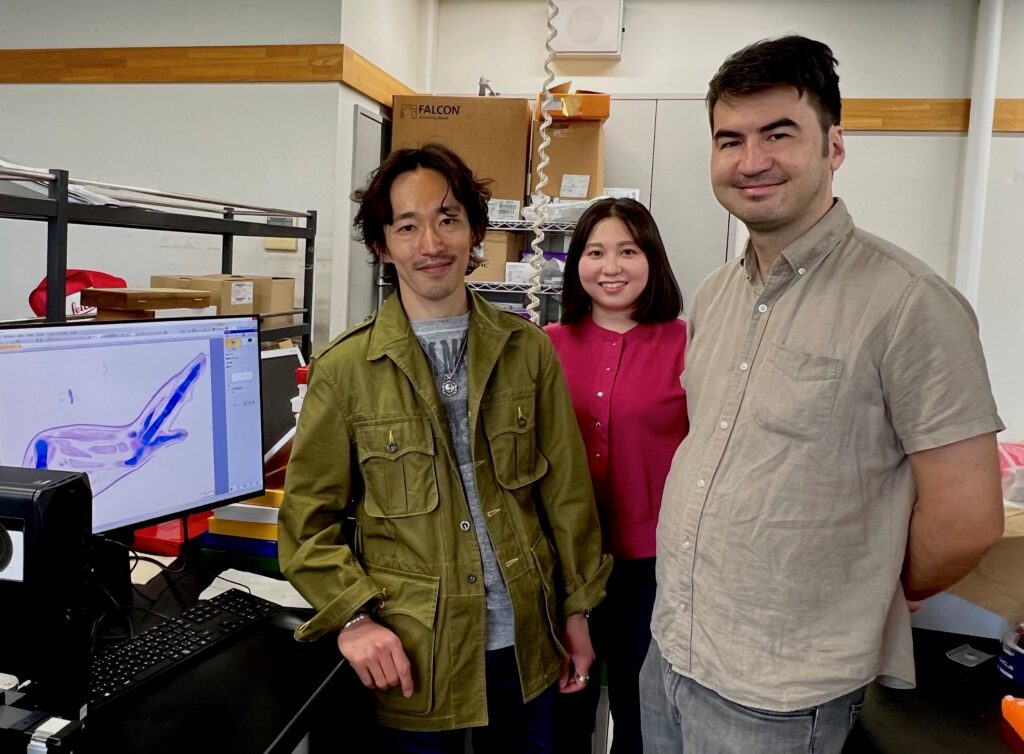
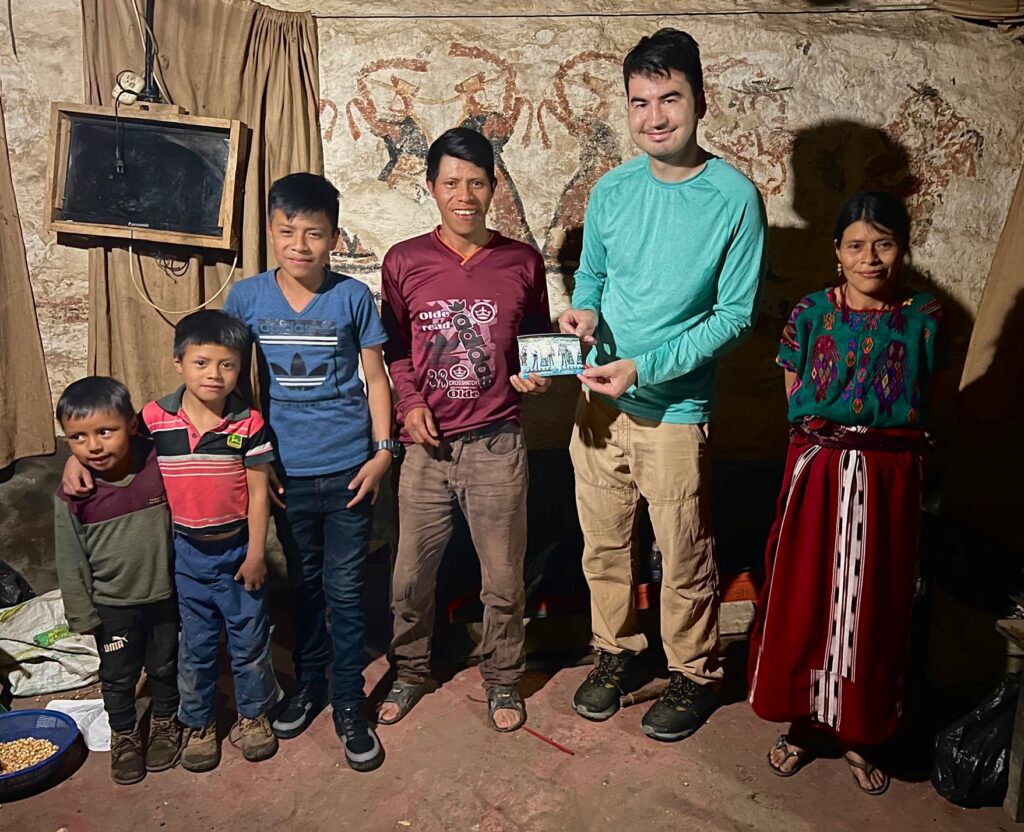
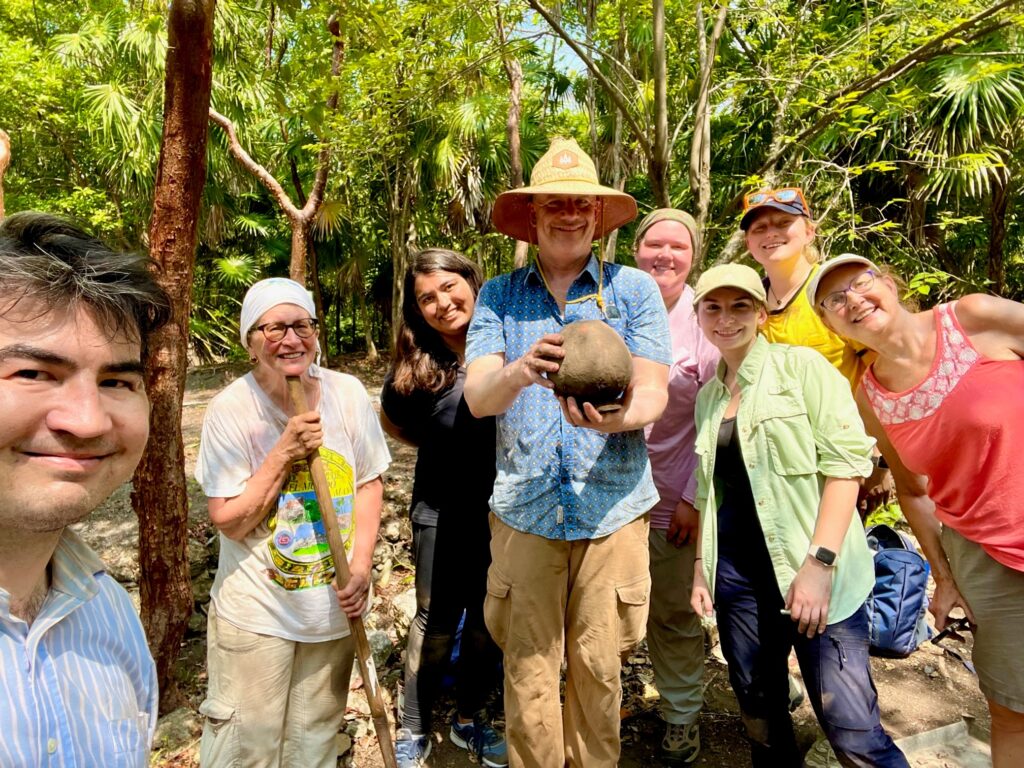
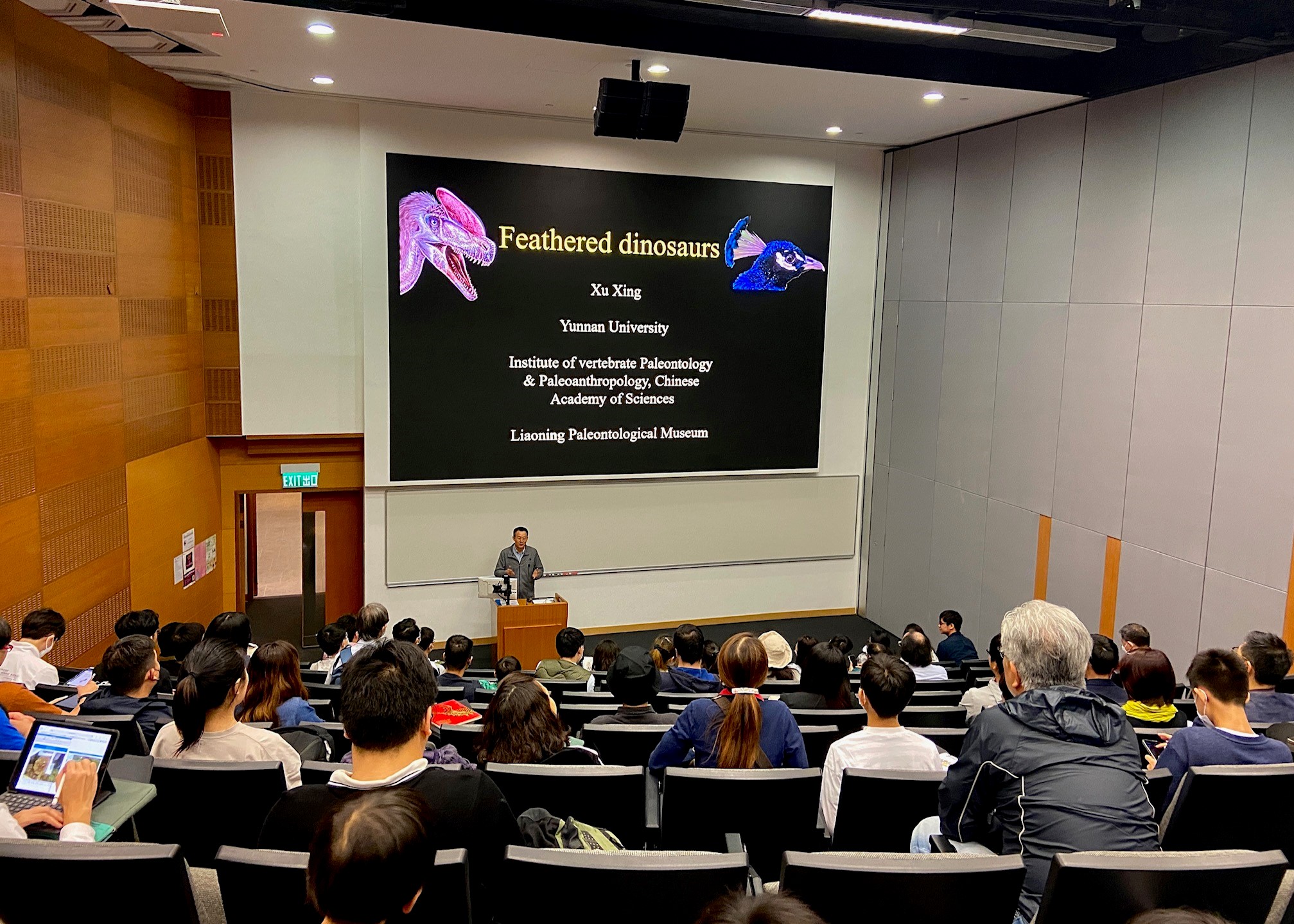
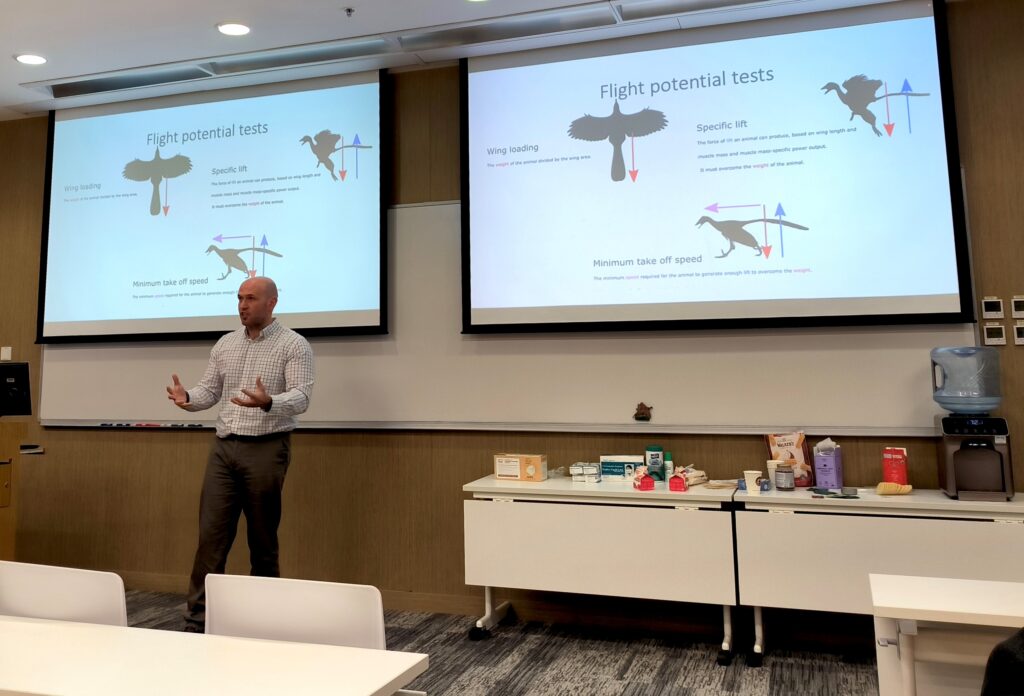
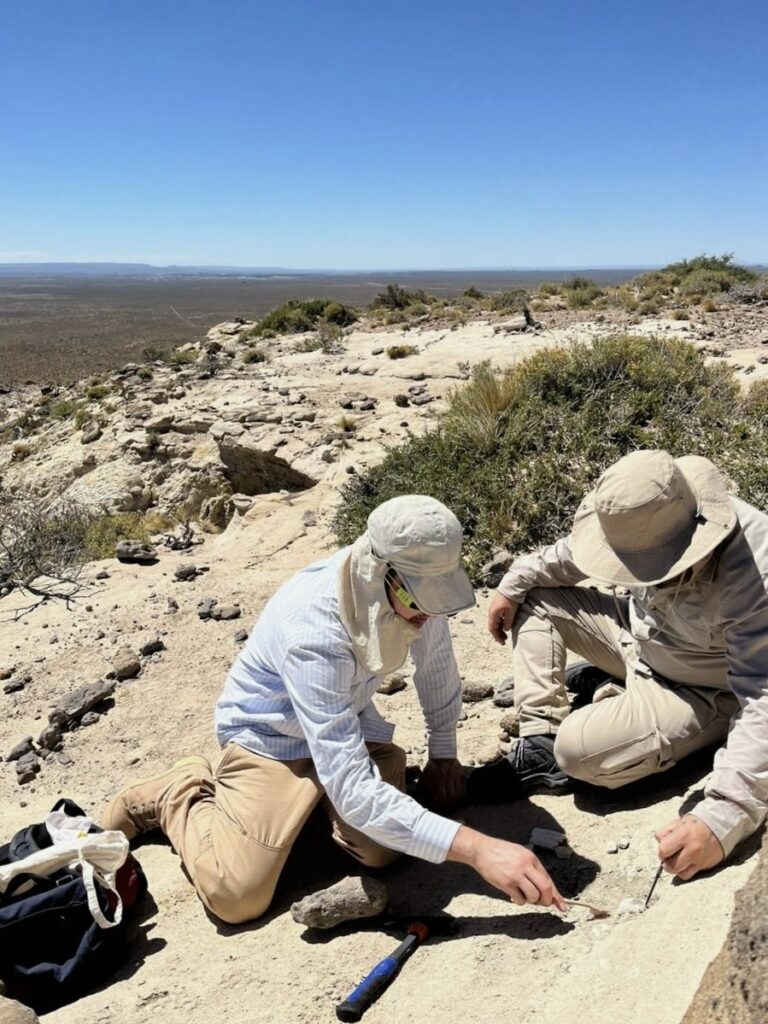
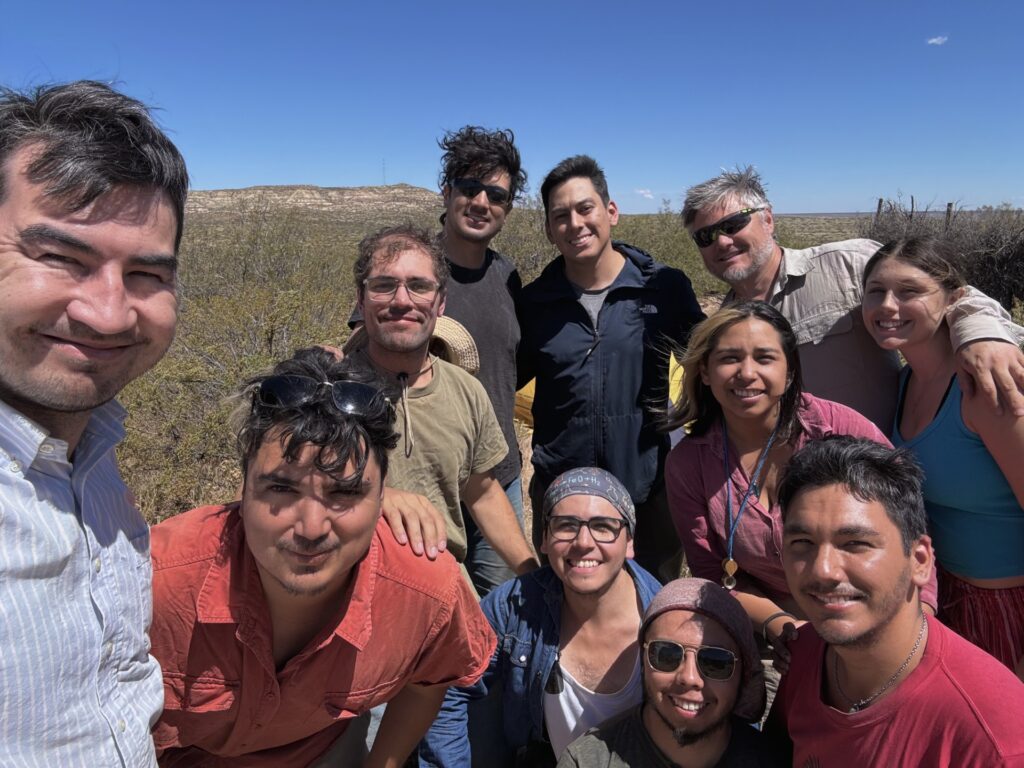
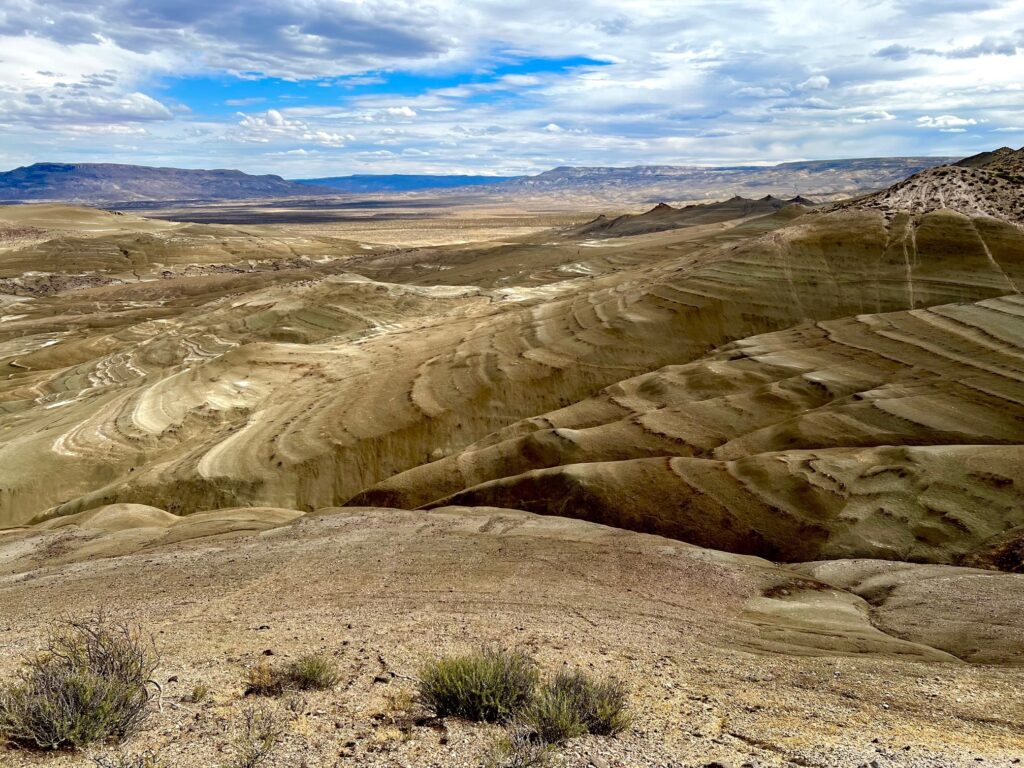
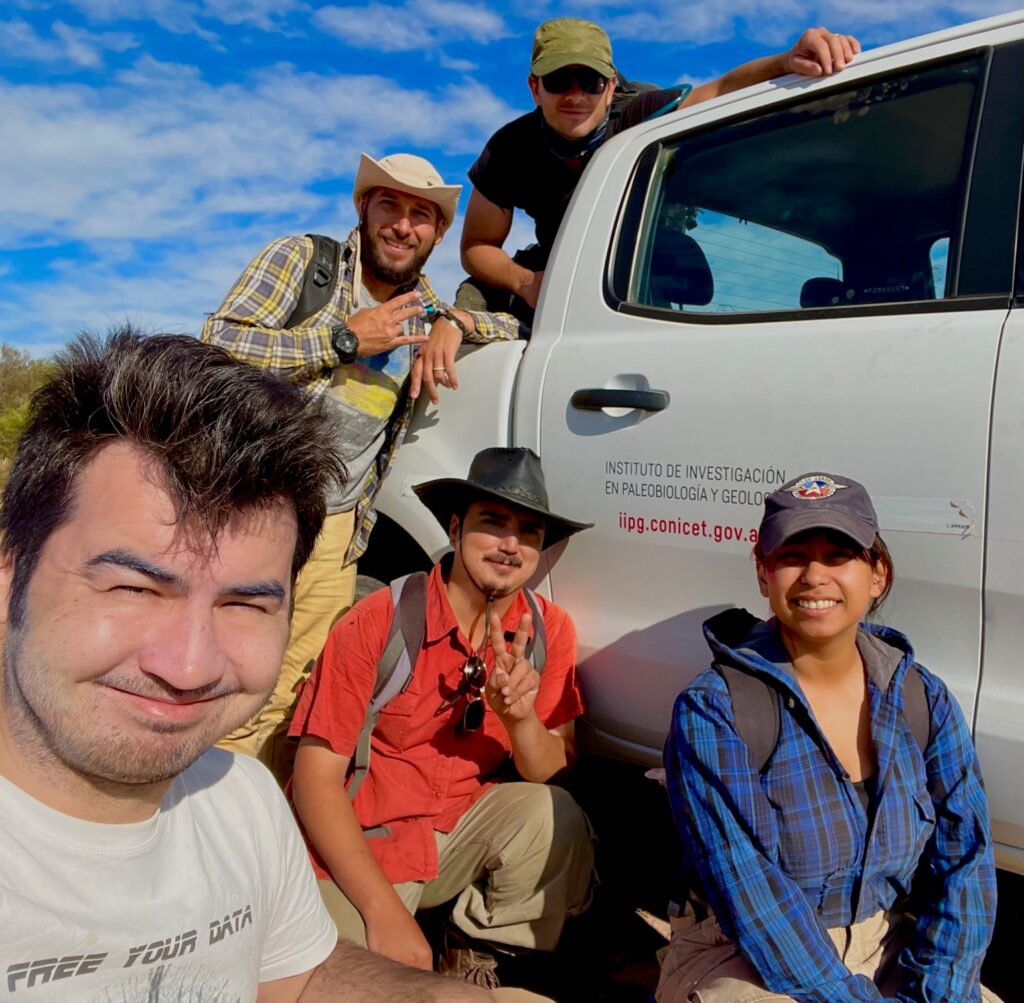
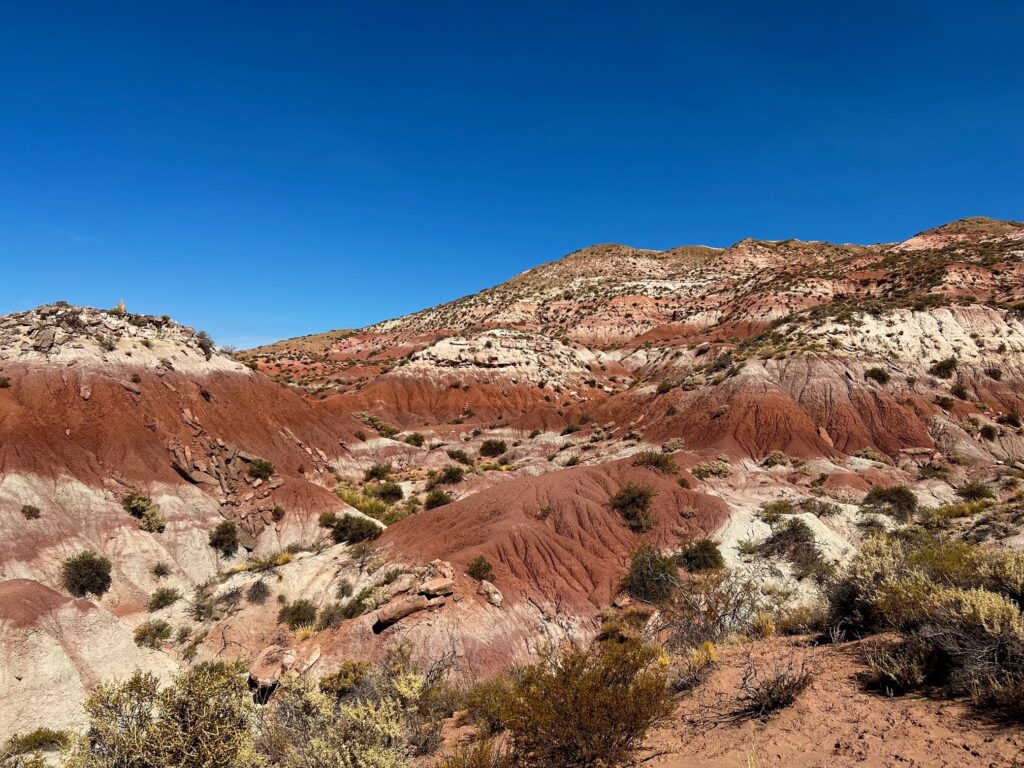
Fieldwork Expeditions – Patagonia 2023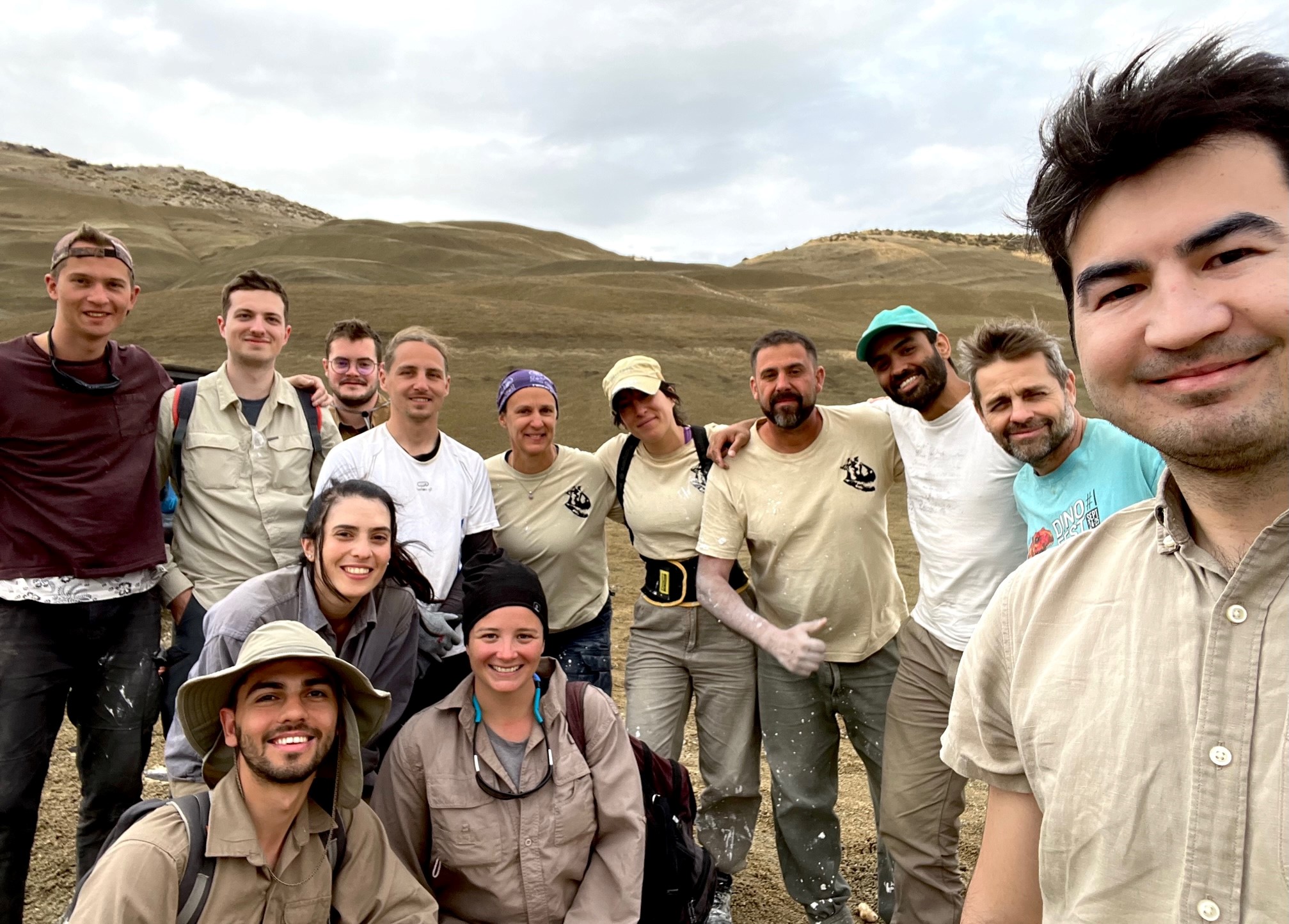
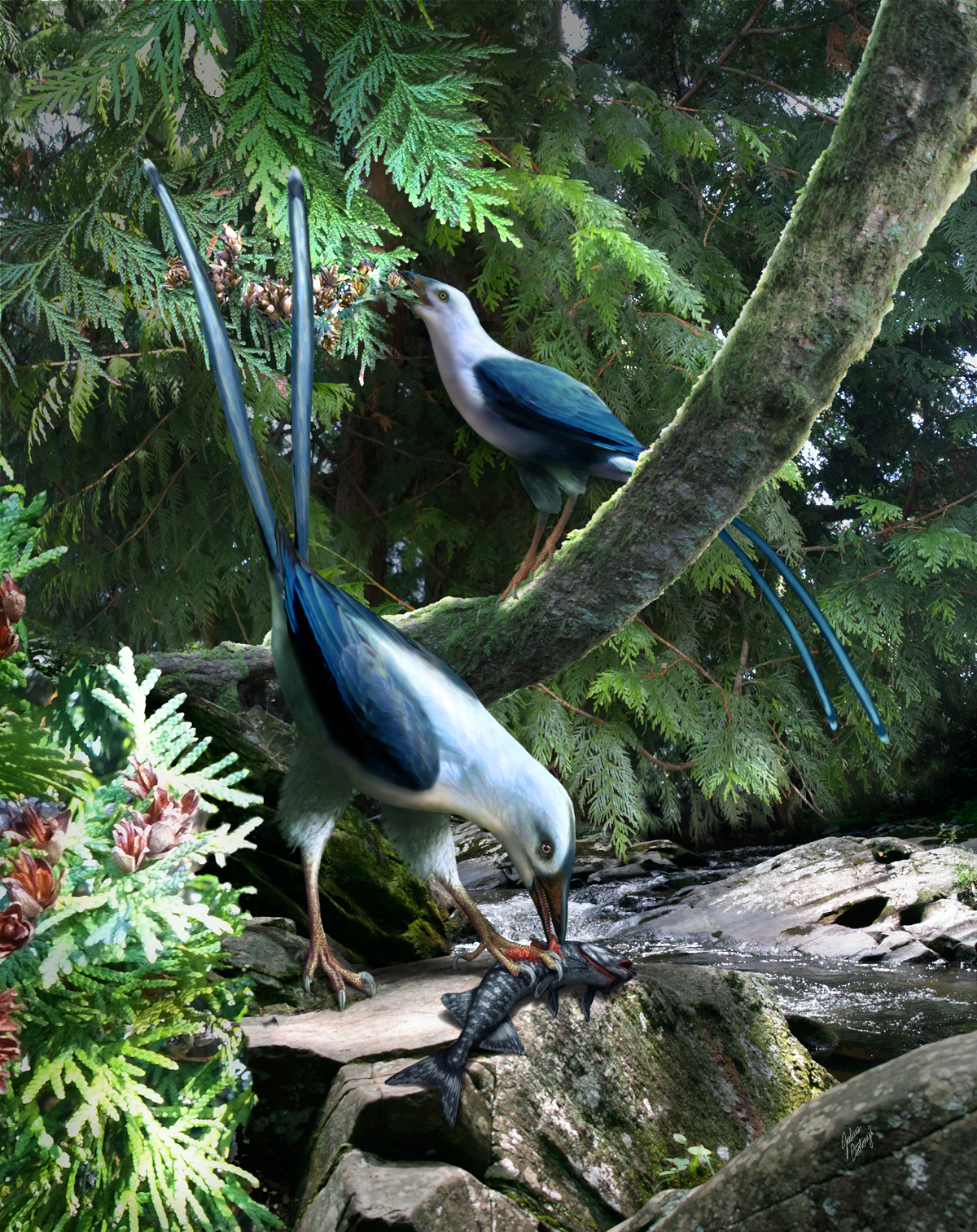
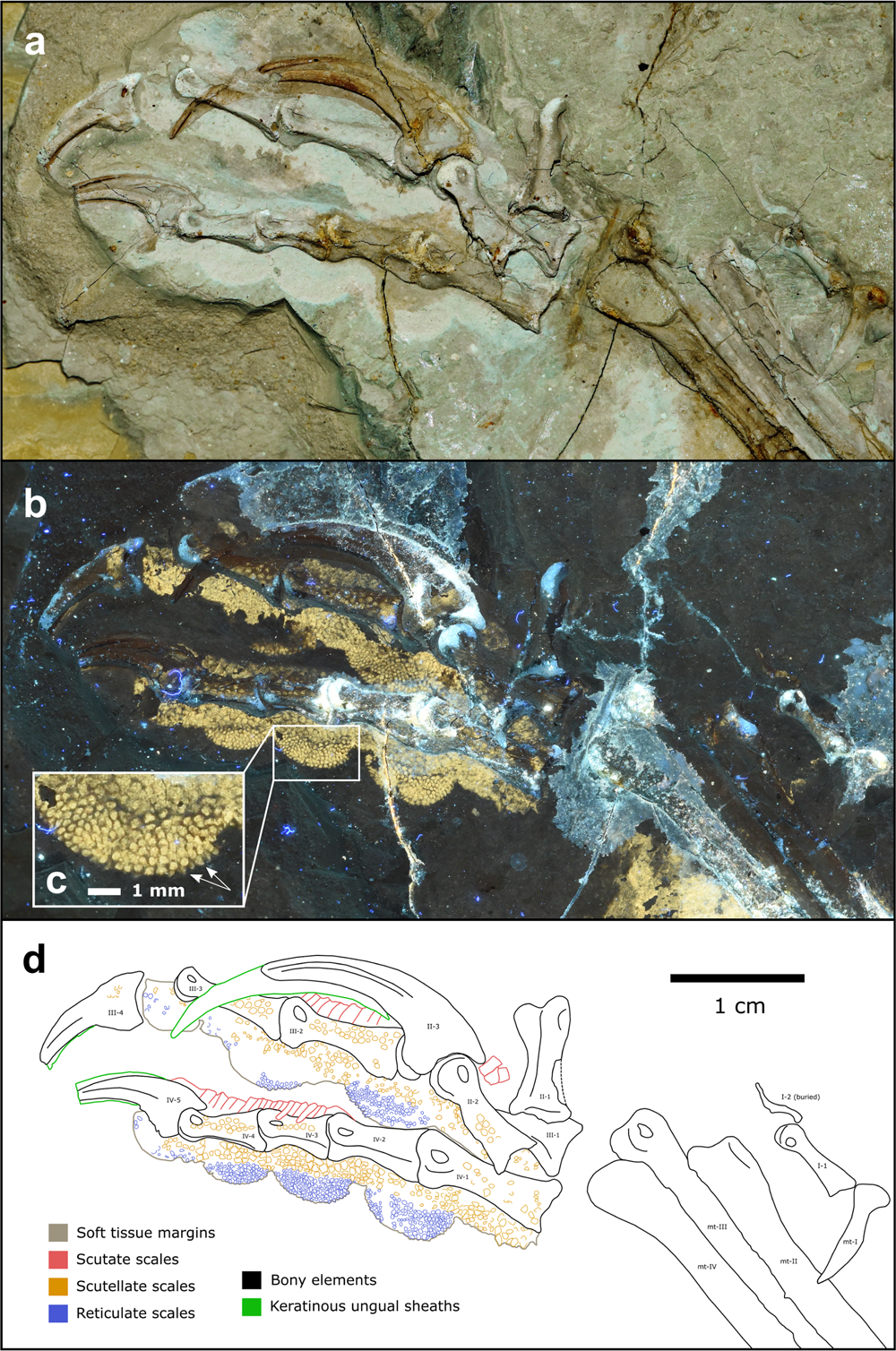
In Nature Communications, we compared the toe pads, foot scales, claws and joints of early theropod flyers with those of living birds to refine our understanding of their lifestyles. This was made possible by applying Laser-Stimulated Fluorescence (LSF) to >1,000 fossils that revealed a handful of specimens with particularly well-preserved soft tissue covered feet as well as traditional morphometrics of foot claw shape and size. Among the exciting new insights uncovered was that Microraptor had a specialised lifestyle similar to living hawks. Find out more about the article and its significance here: https://www.nature.com/articles/s41467-022-35039-1

In PNAS, we presented soft anatomy profiles of a range of key early theropod flyers based on Laser-Stimulated Fluorescence imaging (LSF) of over 1000 fossils. By combining soft anatomy data with quantitative skeletal reconstructions, we confirm an ancestral flight system divided between shoulder muscles powering wing upstrokes and chest muscles powering wing downstrokes. We also identify the first upstroke-enhanced flight stroke and explain early sternum losses. Find out more about the article and its significance here: https://www.pnas.org/doi/10.1073/pnas.2205476119
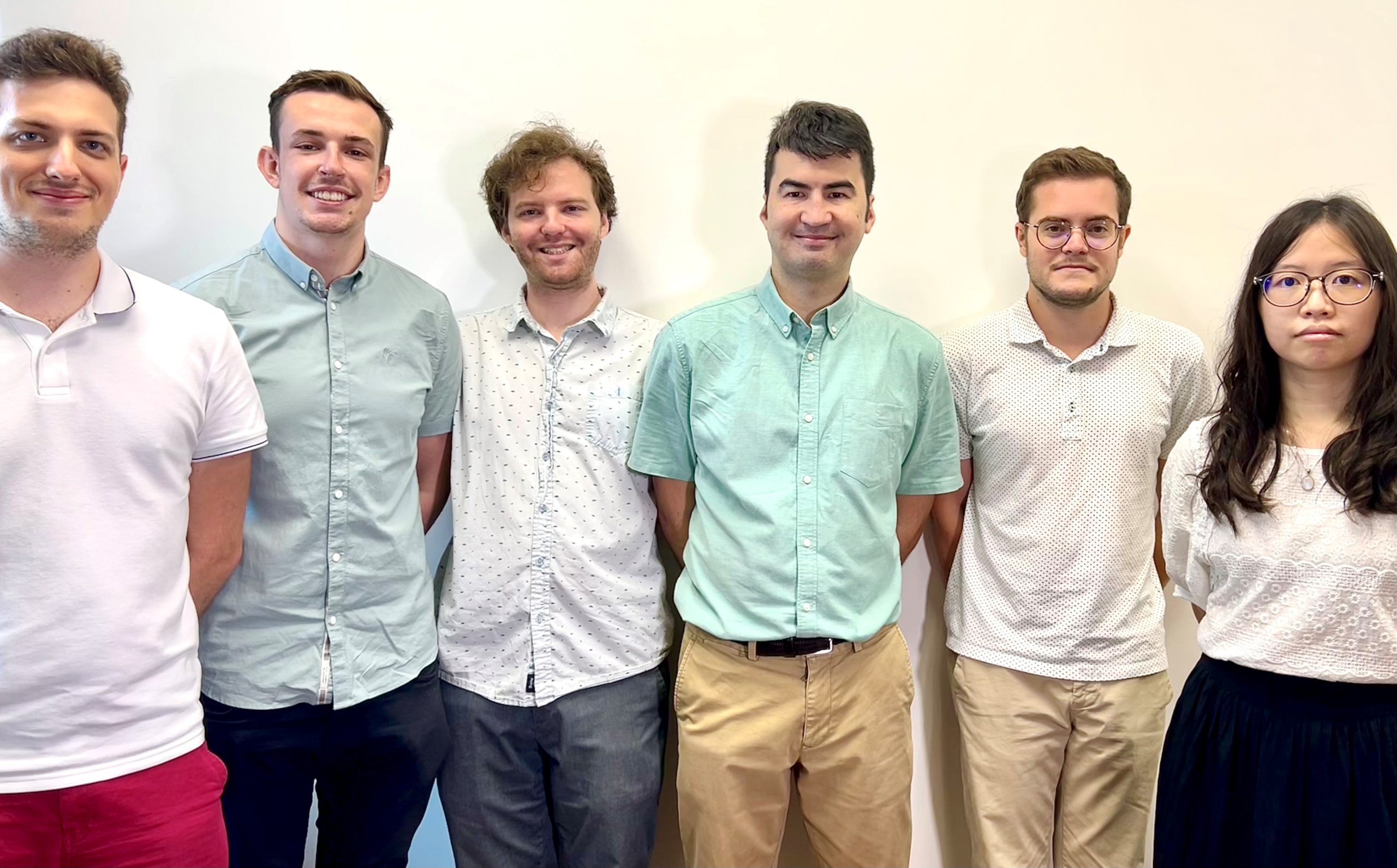
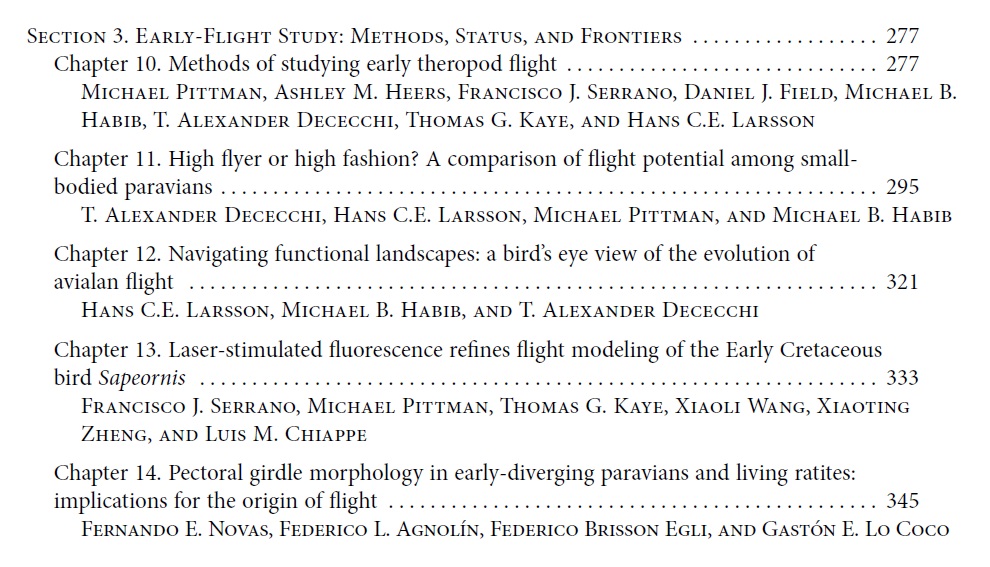
A warm welcome to our newest research assistants, Matthieu Chotard (second from right) and Maxime Grosmougin (furthest left). Matthieu and Maxime both have backgrounds in vertebrate palaeontology gained from BSc and MSc studies in France. They will be assisting with our ongoing research projects, including with research into paravian flight origins. Welcome!
Falling Walls Science Breakthroughs of the Year Award Finalist
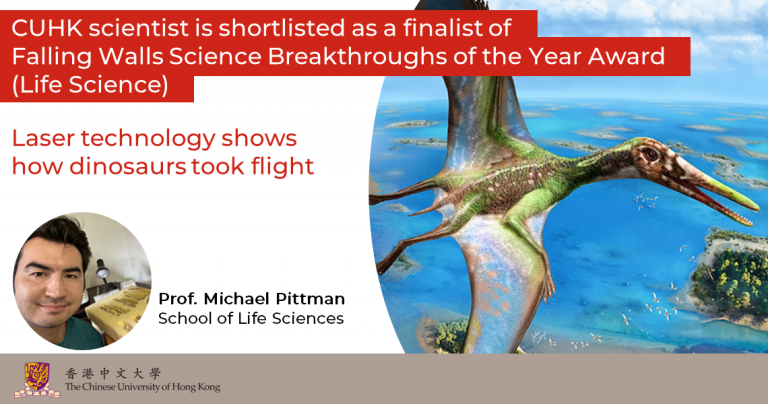
Professor Pittman was selected as a finalist for the Falling Walls Science Breakthroughs of the Year Award for my Laser-Stimulated Fluorescence work in palaeontology. Initiated by the Berlin-based Falling Walls Foundation, this award showcases and celebrates the most recent breakthroughs in science and society from around the world and is selected by a jury of globally recognised experts.
Quadrupedal water launch in small pterosaurs
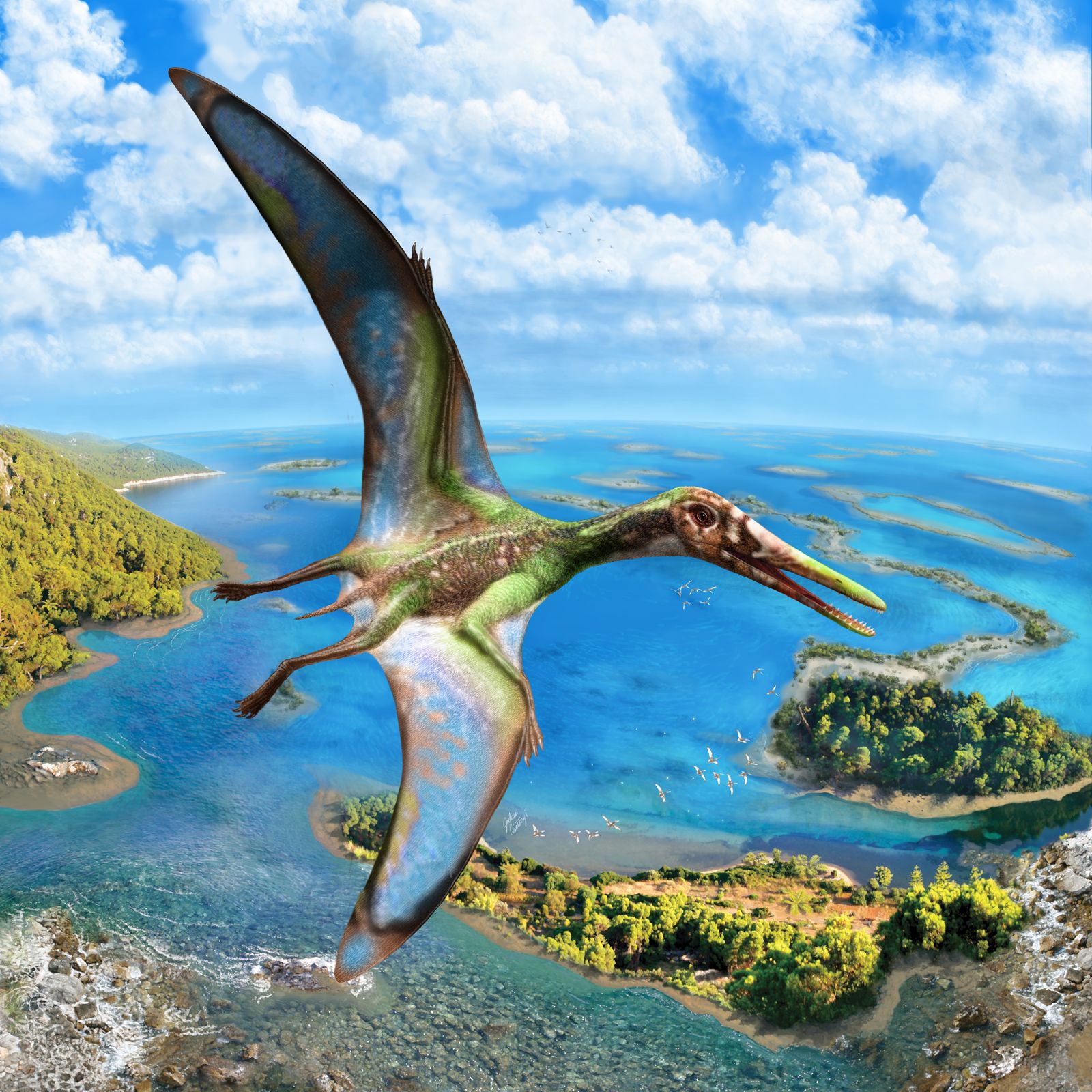
In Scientific Reports, we reported quadrupedal water launch capability in a small late Jurassic pterosaur. LSF imaging revealed soft tissues relevant to the calculations. The webbed feet in our pterosaur turned out to be an important trait for water launch. Find our more in the article here: https://www.nature.com/articles/s41598-022-10507-2
Laser-Stimulated Fluorescence in archaeology
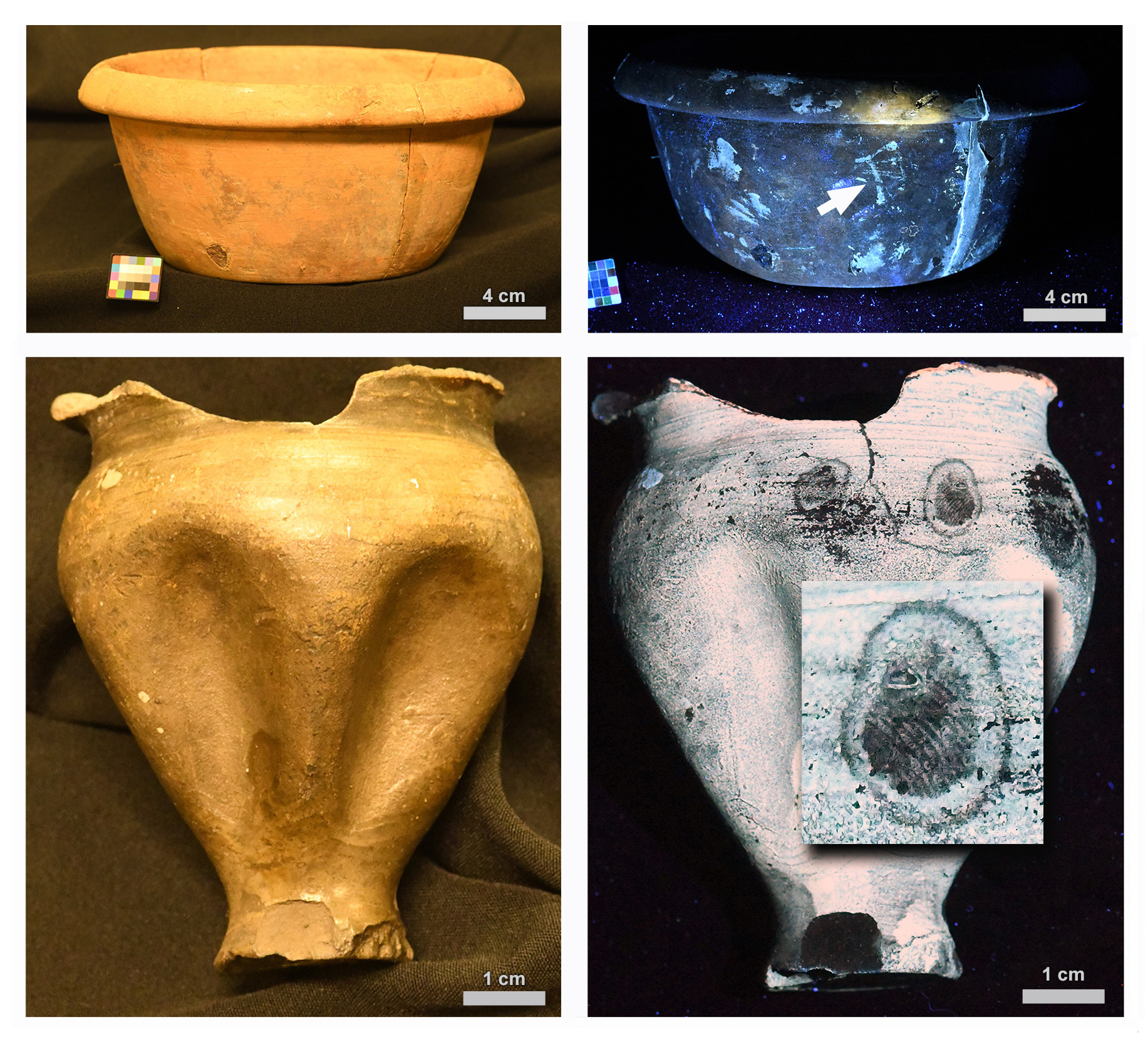
In Journal of Archaeological Science: Reports, we introduce LSF to the field of archaeology, proposing a range of promising applications for both museum and field settings. This paper features specimens from the Verulamium Museum in St Albans, UK. Find out more in the article here: https://www.sciencedirect.com/science/article/pii/S2352409X22001389
Diet of longipterygid birds
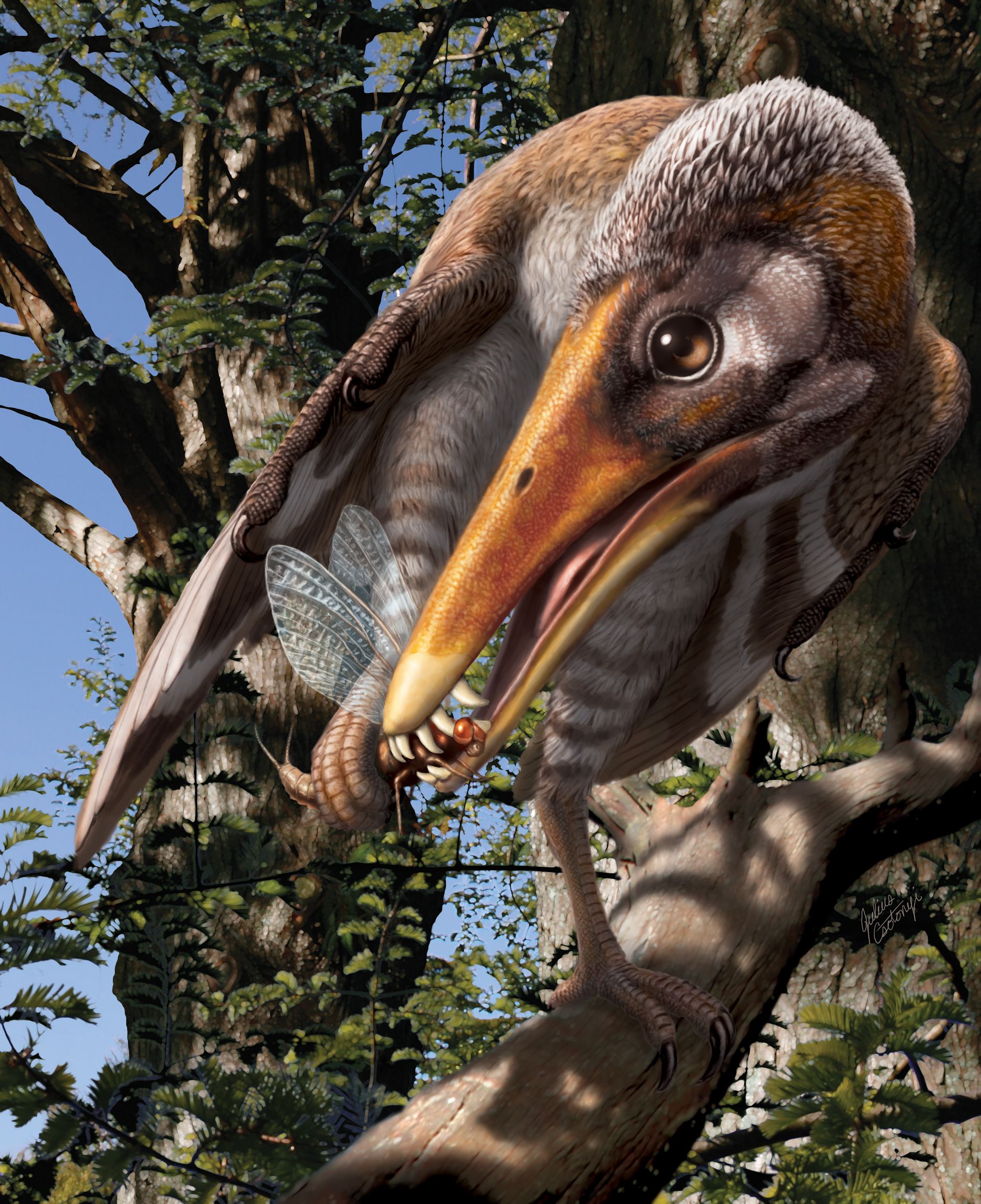
In BMC Biology, we reconstruct the diet of toothed longipterygid enantiornithine birds using a framework developed by Miller et al. 2020 (Biological Reviews). We find that they were most likely to be invertivores or generalist feeders, with raptorial behaviour likely in Longipteryx and Rapaxavis. This paper is the first results chapter of Case V. Miller’s PhD thesis. Congrats Case! Find out more in the article here: https://bmcbiol.biomedcentral.com/articles/10.1186/s12915-022-01294-3
Skin and belly button of Psittacosaurus
In Communications Biology, we described the exquisitely preserved integument of Psittacosaurus in detail and discuss what this tells us about the scaly skin of ceratopsian dinosaurs more broadly. This study was made possible by LSF images taken by Michael Pittman and Thomas G Kaye. Article here: https://www.nature.com/articles/s42003-022-03749-3. In BMC Biology, we also described the ‘belly button’ of Psittacosaurus, the earliest known record of an umbilical scar among amniotes. We discussed what this tells us about the biology of this animal and other dinosaurs. Article here: https://bmcbiol.biomedcentral.com/articles/10.1186/s12915-022-01329-9
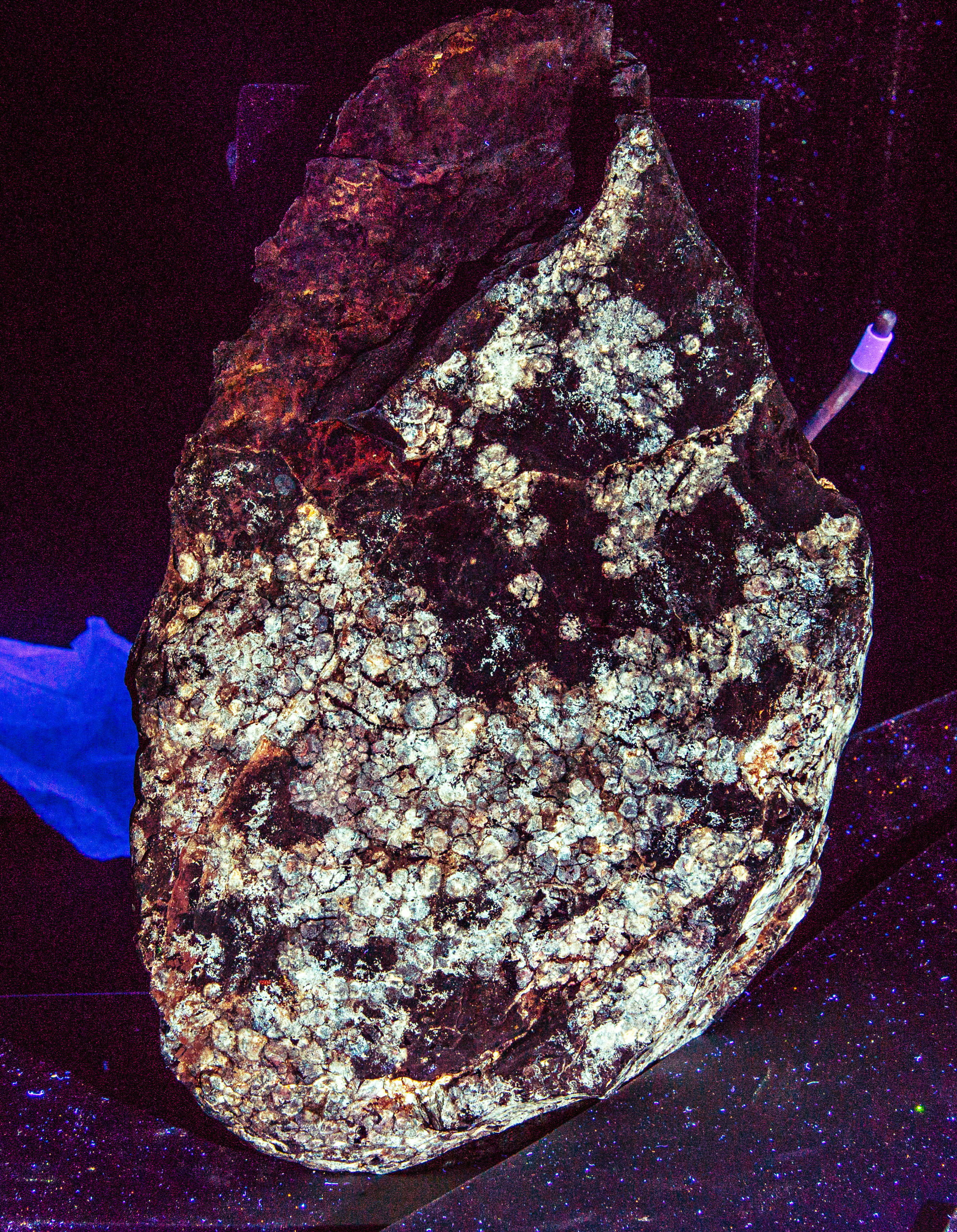
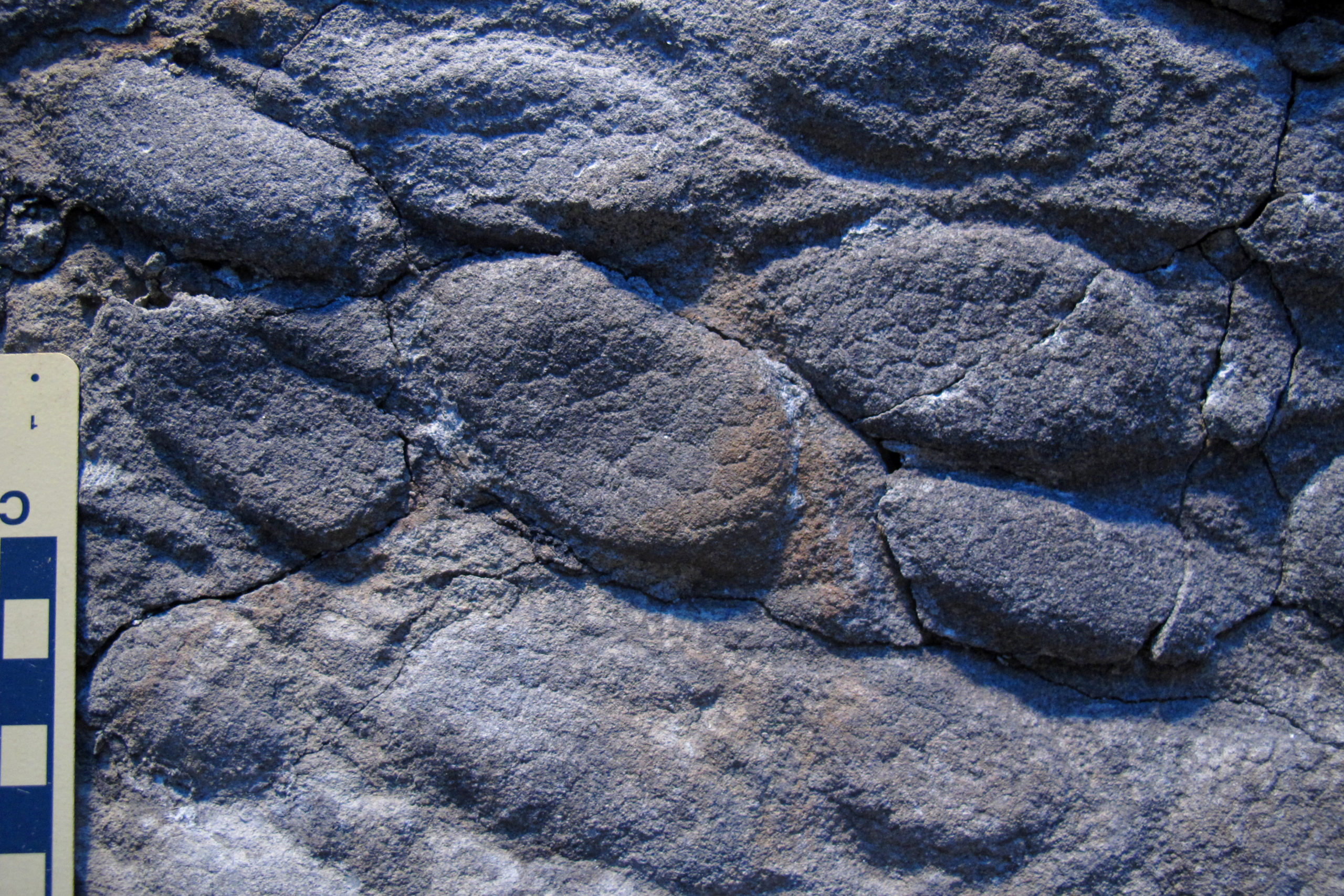
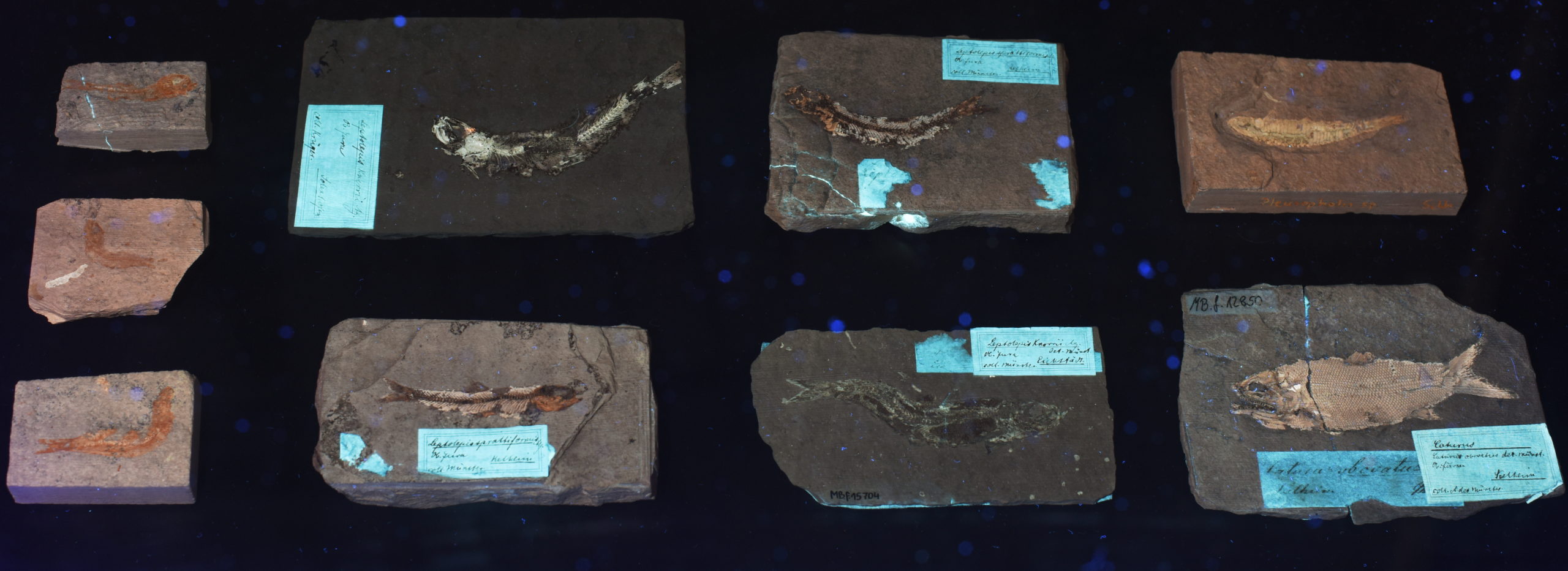
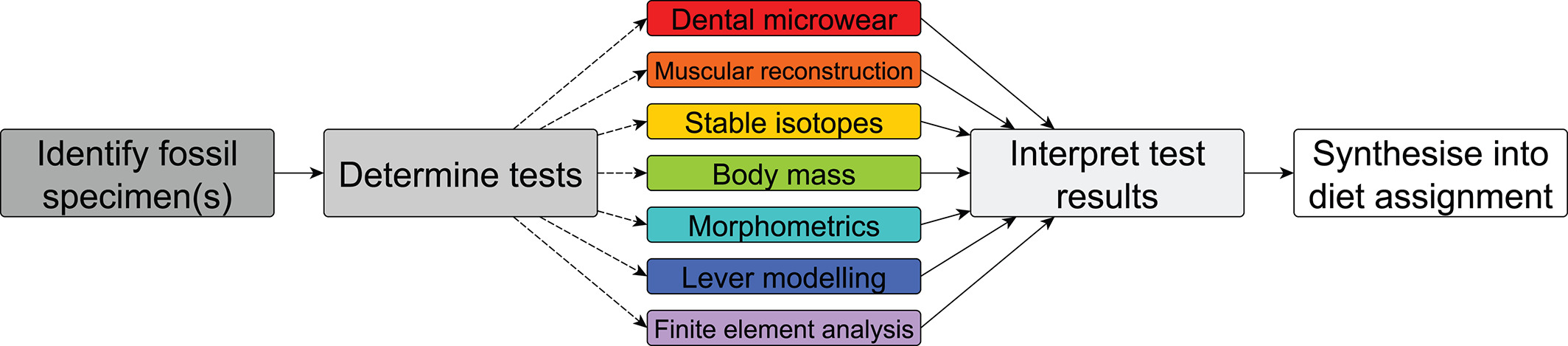
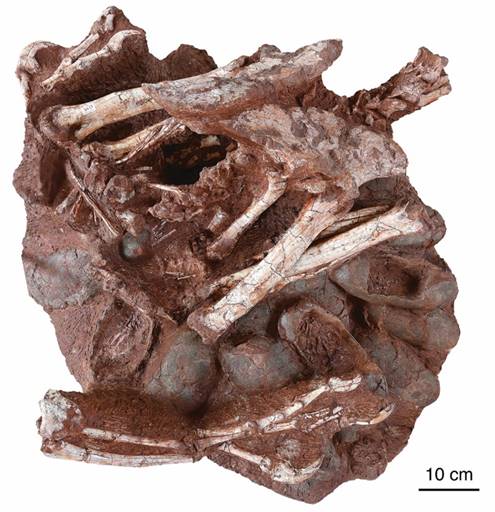
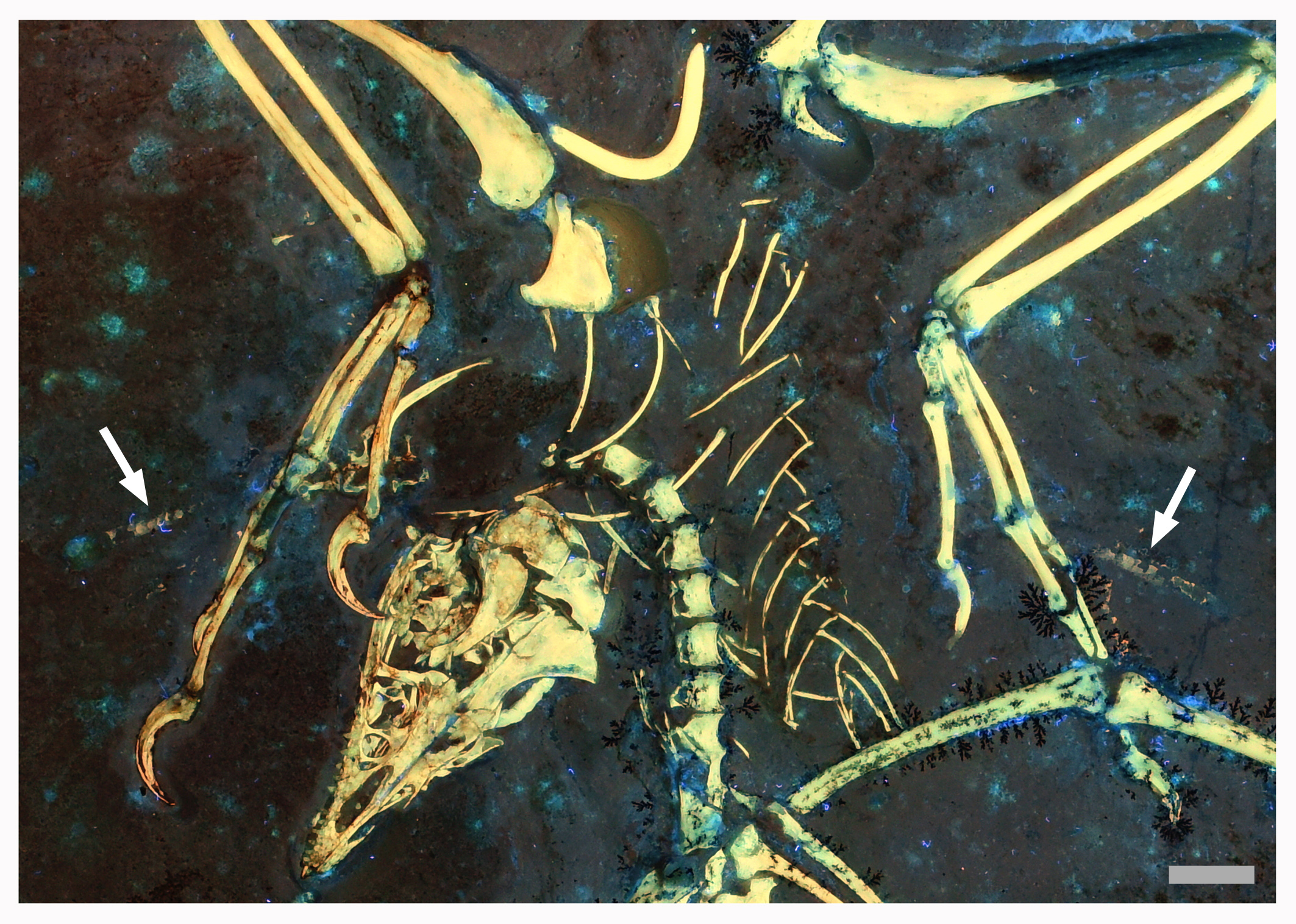
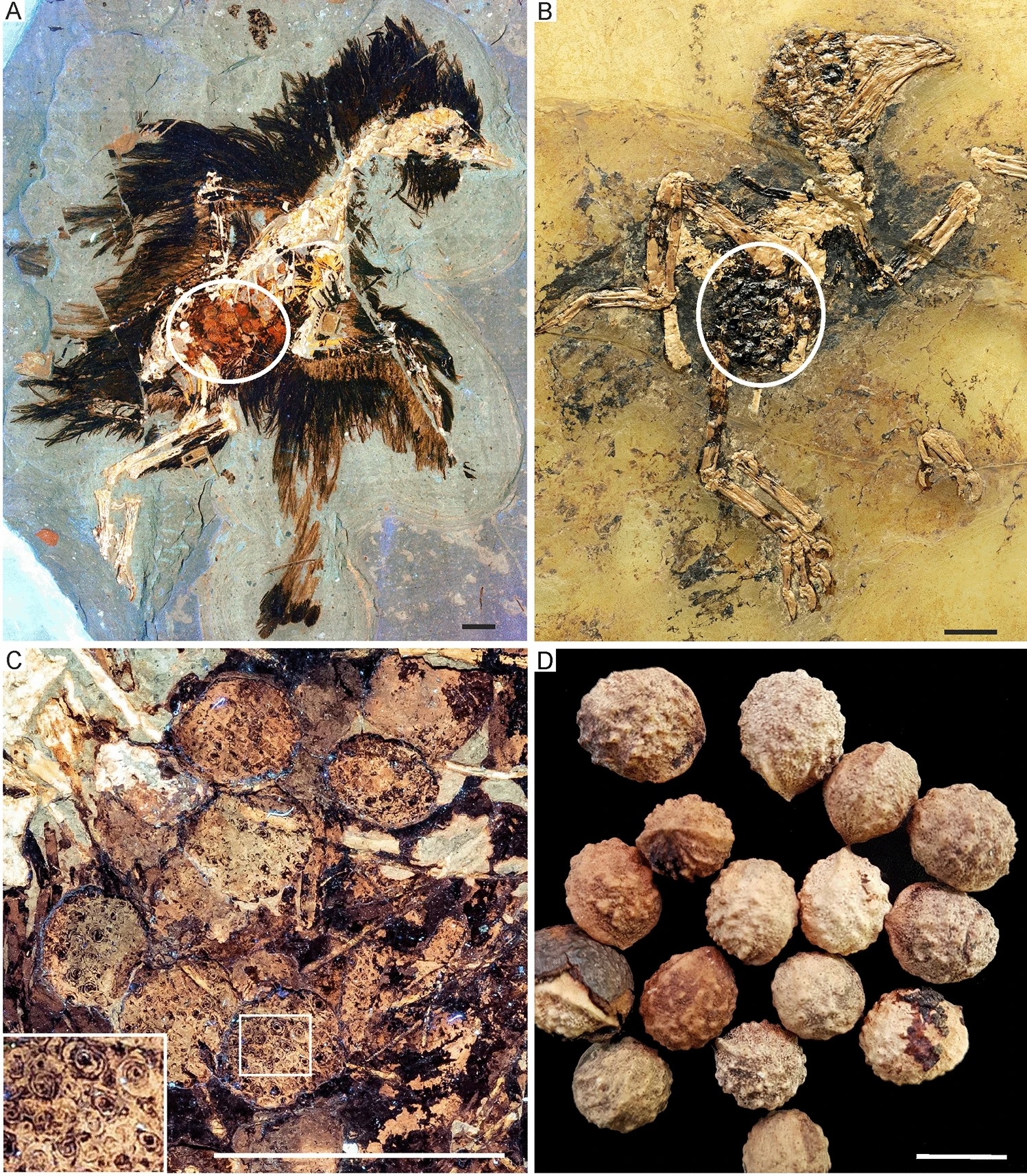
Autonomous ‘hunter drone’ finds fossils, minerals and biological targets Find fossils, minerals and biological targets with lasers using a ‘hunter drone’ that searches autonomously at night!
Methods in Ecology and Evolution paper: http://dx.doi.org/10.1111/2041-210X.13402
Assistant Dean (e-learning)
Delighted to announce my appointment as the Assistant Dean (e-learning) of the Faculty of Science. Over my term, I will lead the development and implementation of the faculty’s e-learning strategy. I look forward to working with faculty colleagues to bring our e-learning to heights.
Third edition of Dinosaur Ecosystems completed!
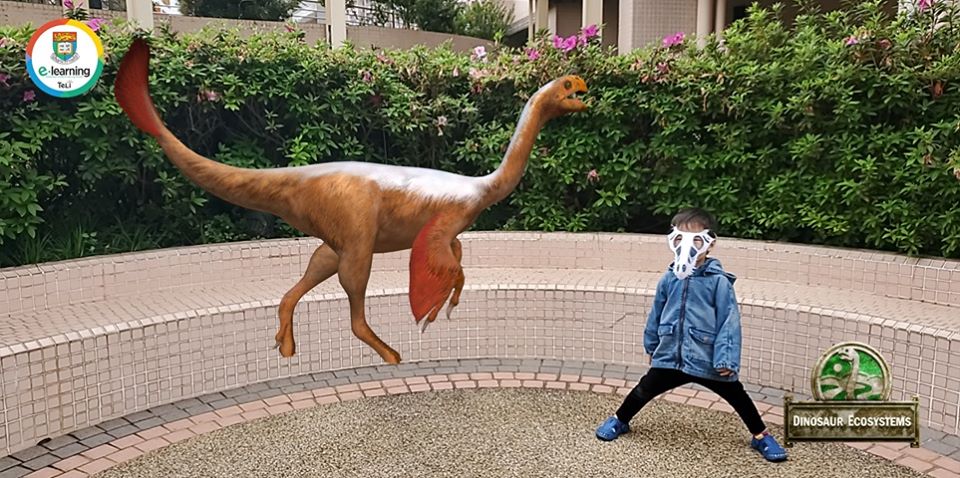
Massive thank you to my course team and our wonderful learners for an amazing six weeks in the world of dinosaurs: http://edx.org/course/dinosaur-ecosystems See you next time!
Highlights from December 2018 to January 2019 trip to New York and Argentina
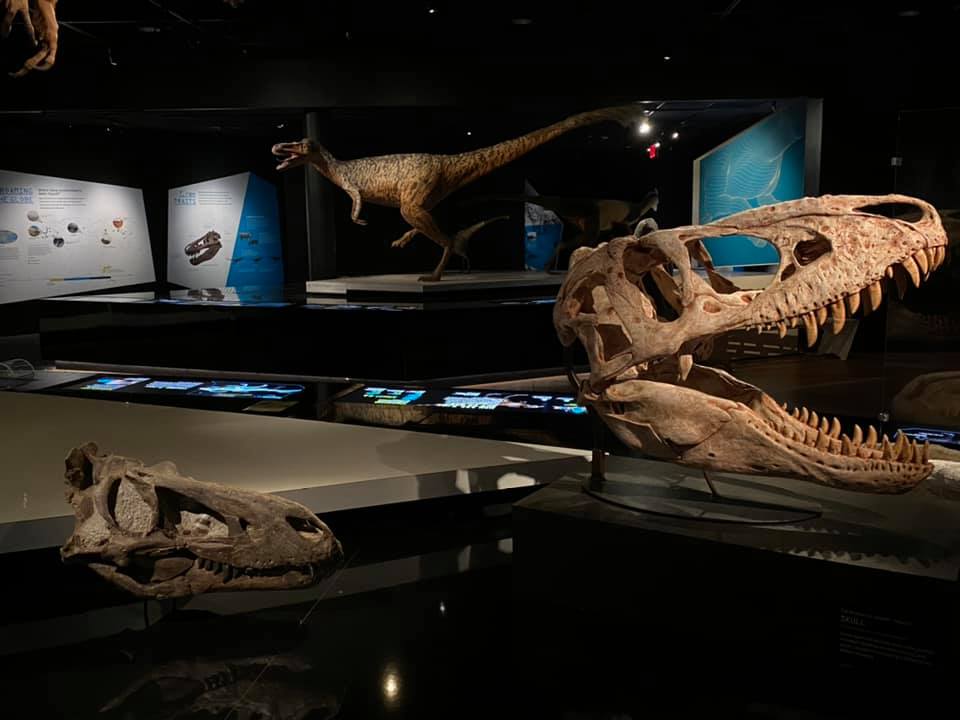
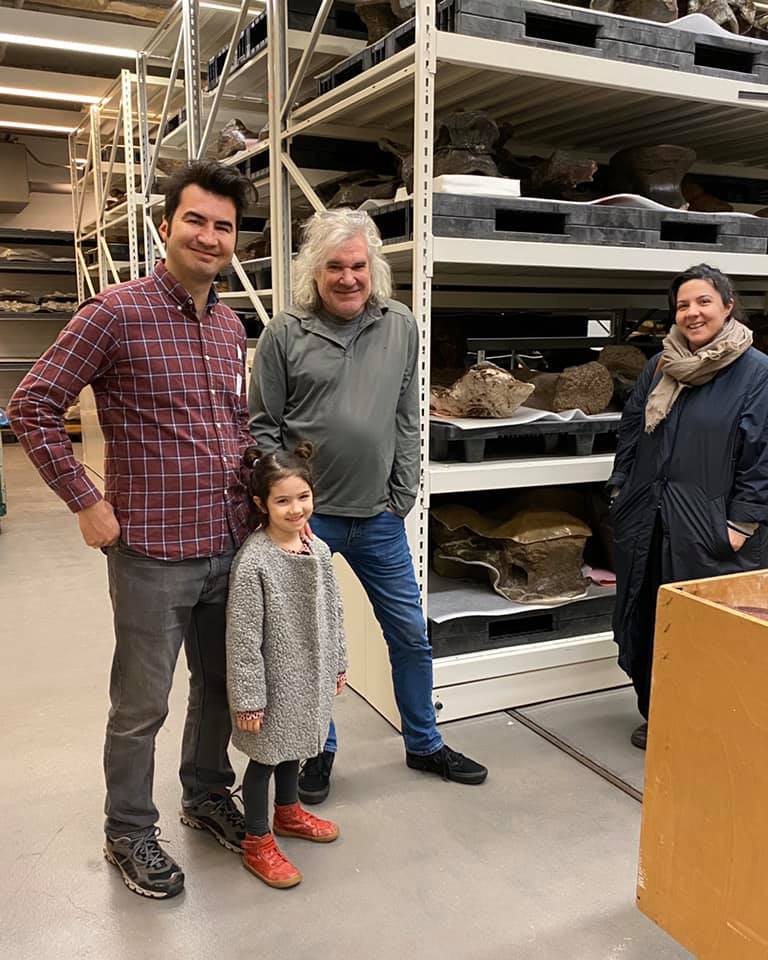
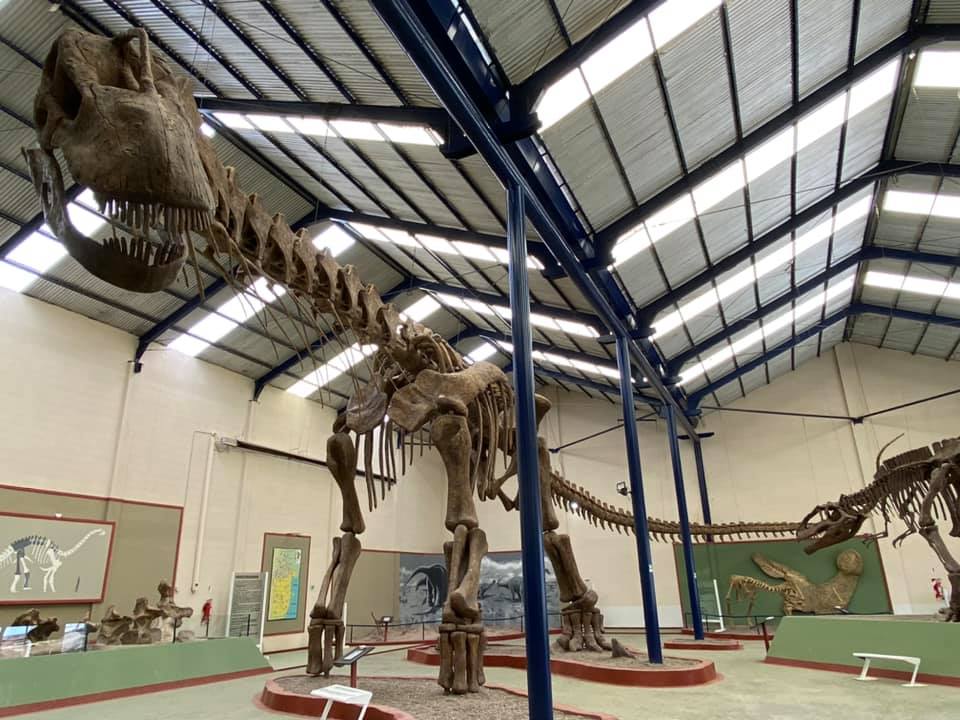
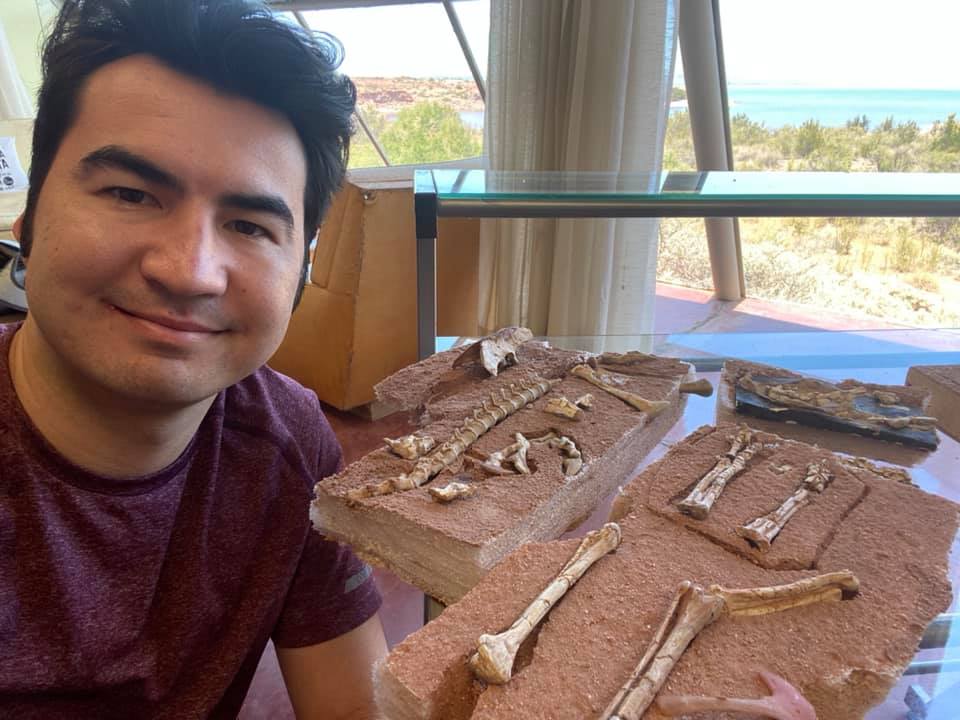
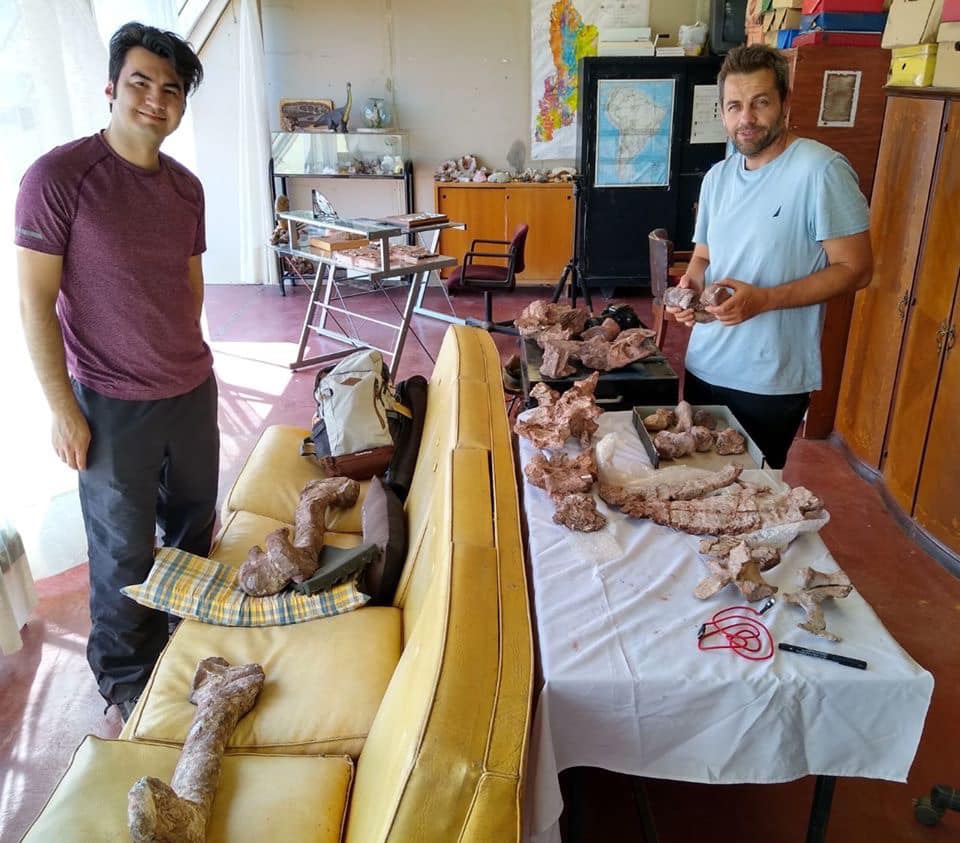
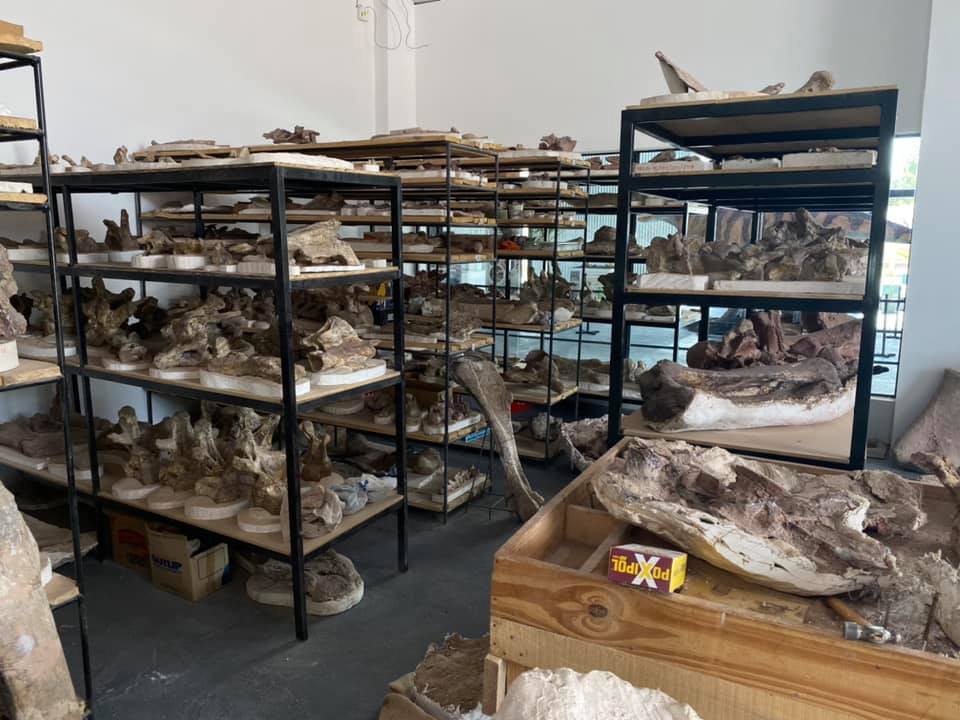
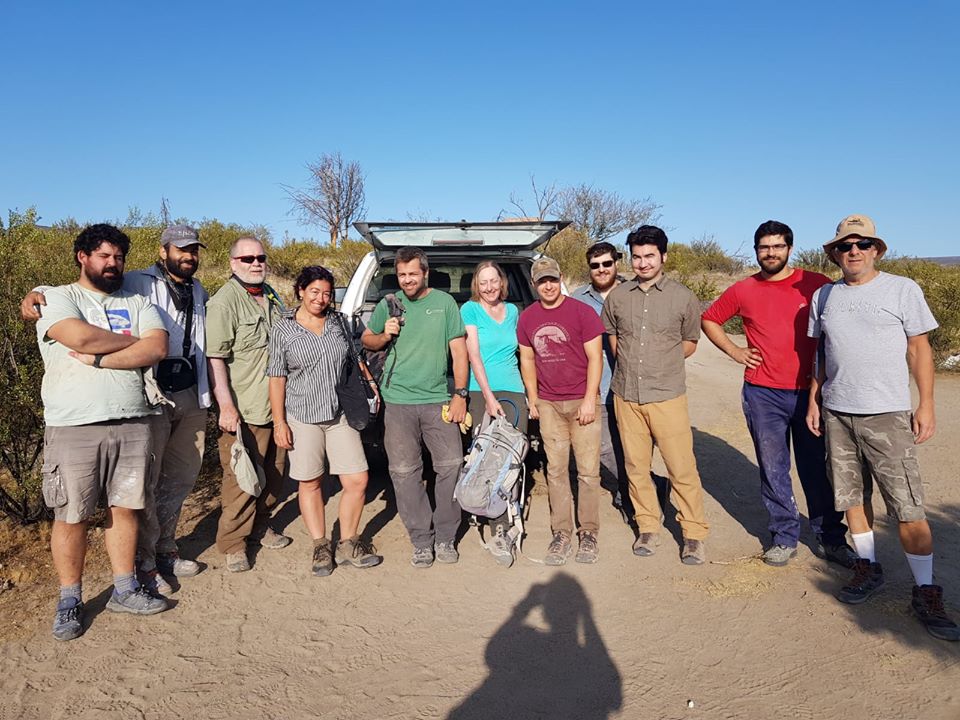
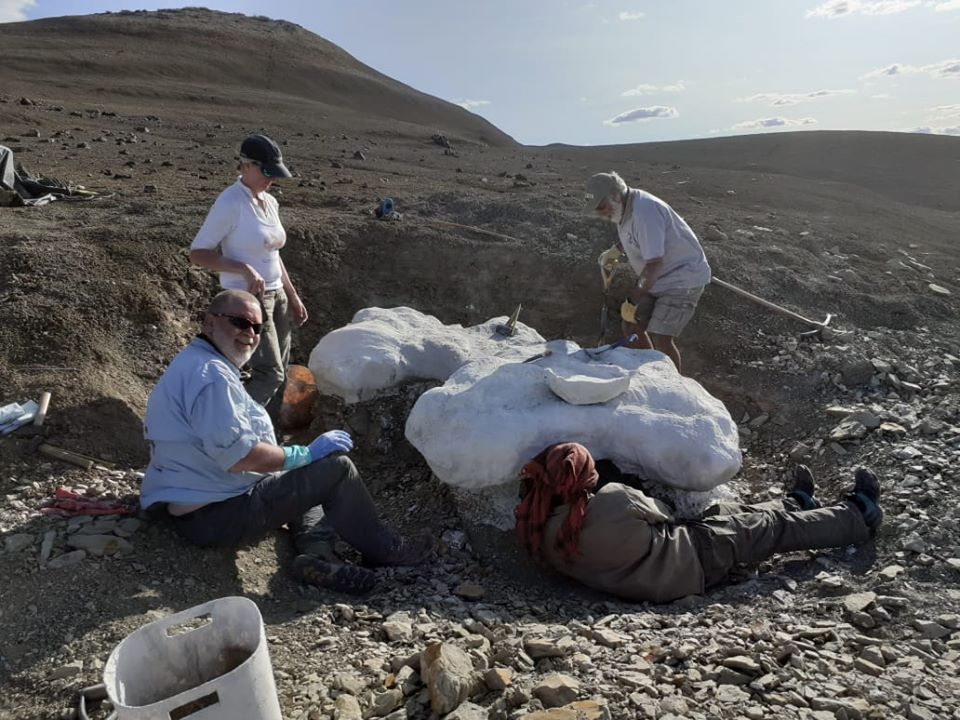
Visited the American Museum of Natural History and then flew down to Argentina for field work, research + Dinosaur Ecosystems MOOC filming w/ Diego Pol of the Museo Paleontológico Egidio Feruglio. Saw a number of importance specimens across Neuquen and Rio Negro provinces and meet a number of wonderful colleagues for the first time: Rodolfo Corio, Leonardo Filippi and Jorge Calvo. Visited Federico Agnolin and colleagues at the Museo Argentino de Ciencias Naturales “Bernardino Rivadavia” in Buenos Aires. Worked with Santiago Reuil to produce two cardboard dinosaur masks for Dinosaur Ecosystems.
Amber symposium in Bangkok, Thailand
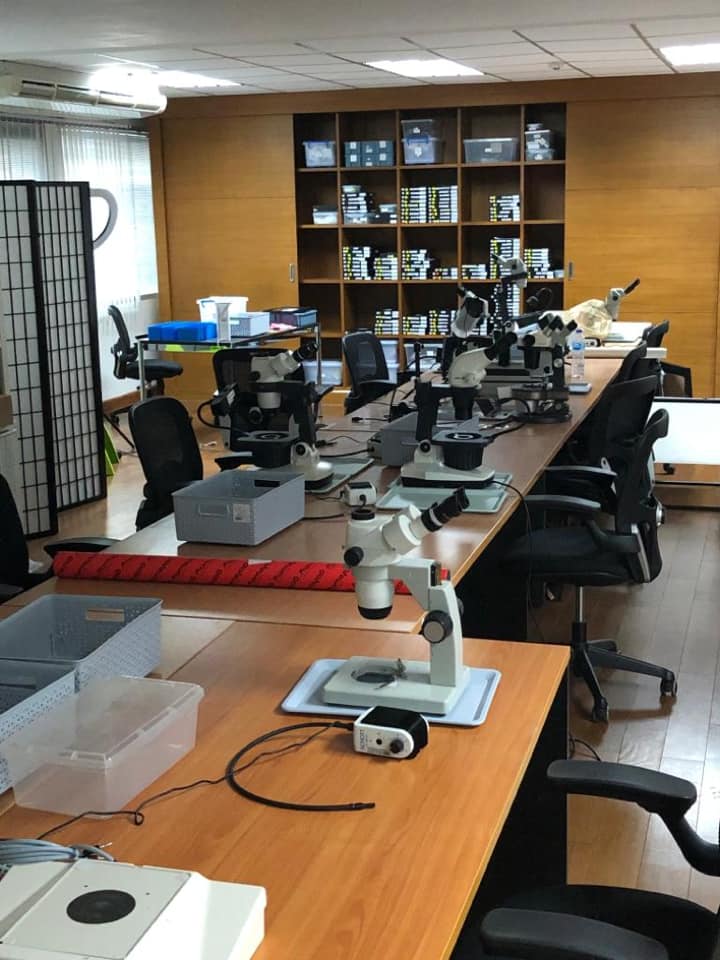
Had a great trip to Bangkok for a Burmese amber workshop.
Research visit to the Verulamium Museum in St. Albans, UK
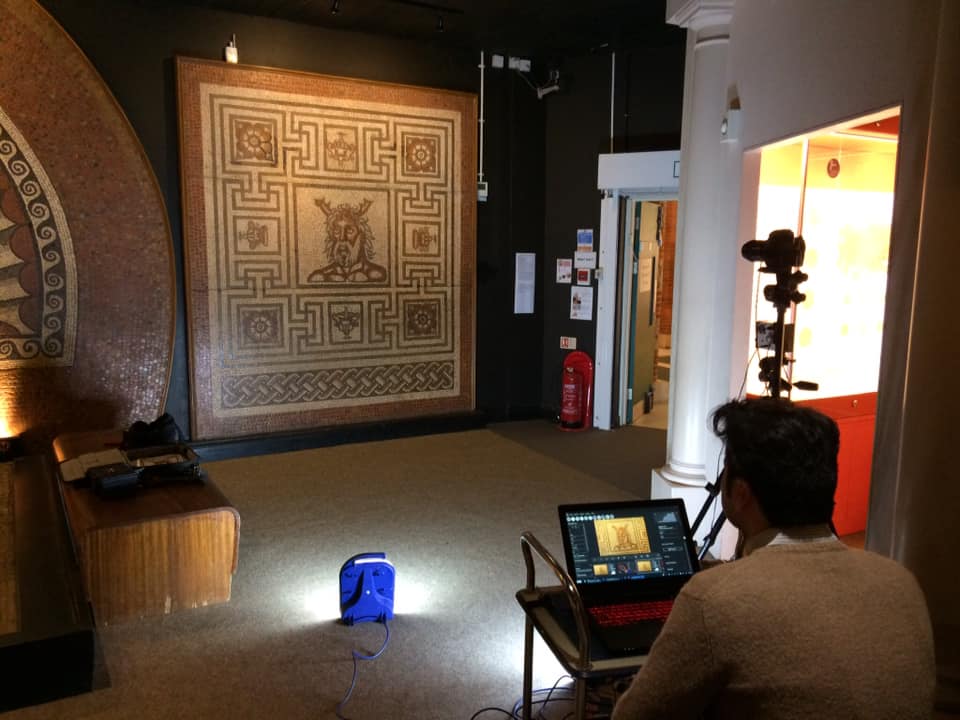
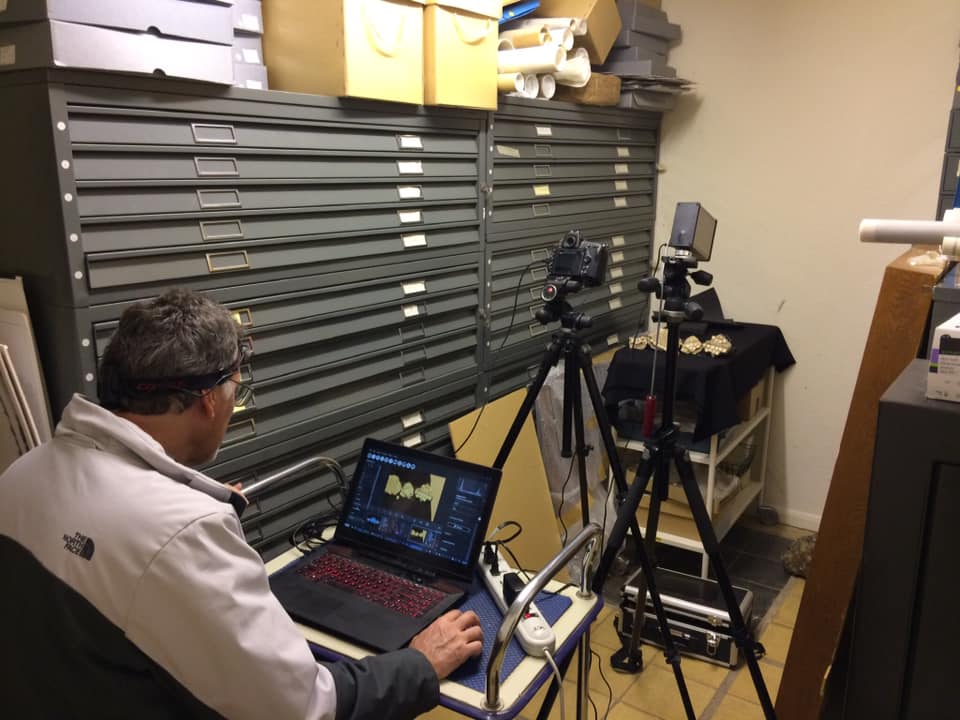
Had a wonderful time with curator David Thorold and Tom Kaye LSFing Roman artefacts.
Research visit by Thomas G Kaye
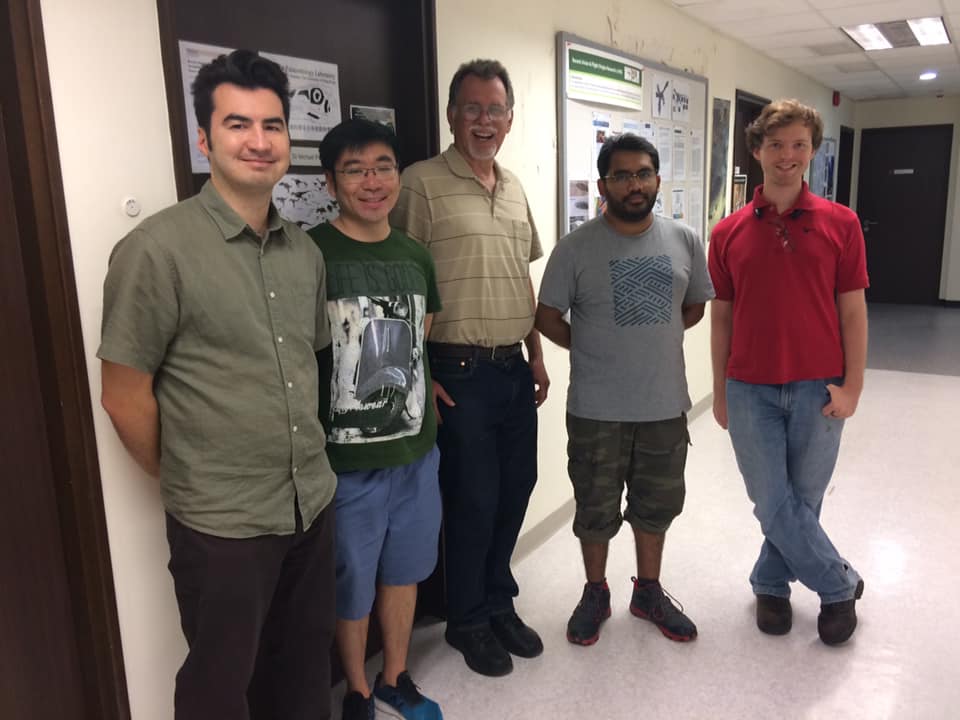
Great having Tom Kaye at HKU Department of Earth Sciences to work on a range of ongoing projects supported by the HKU Faculty of Science RAE Improvement Fund.
Australia Oct 2019: SVP Annual Meeting & ANSTO neutron and synchrotron imaging
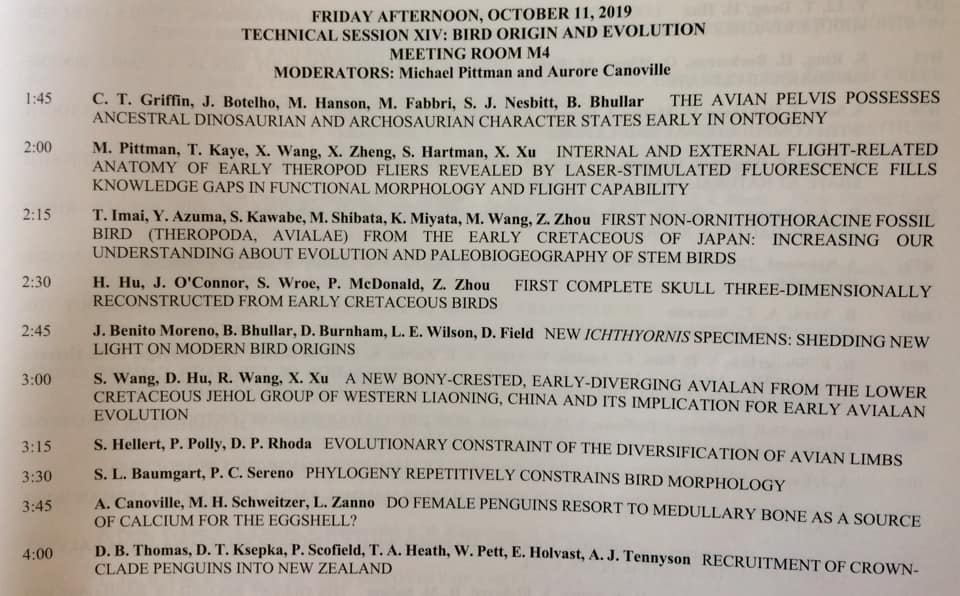
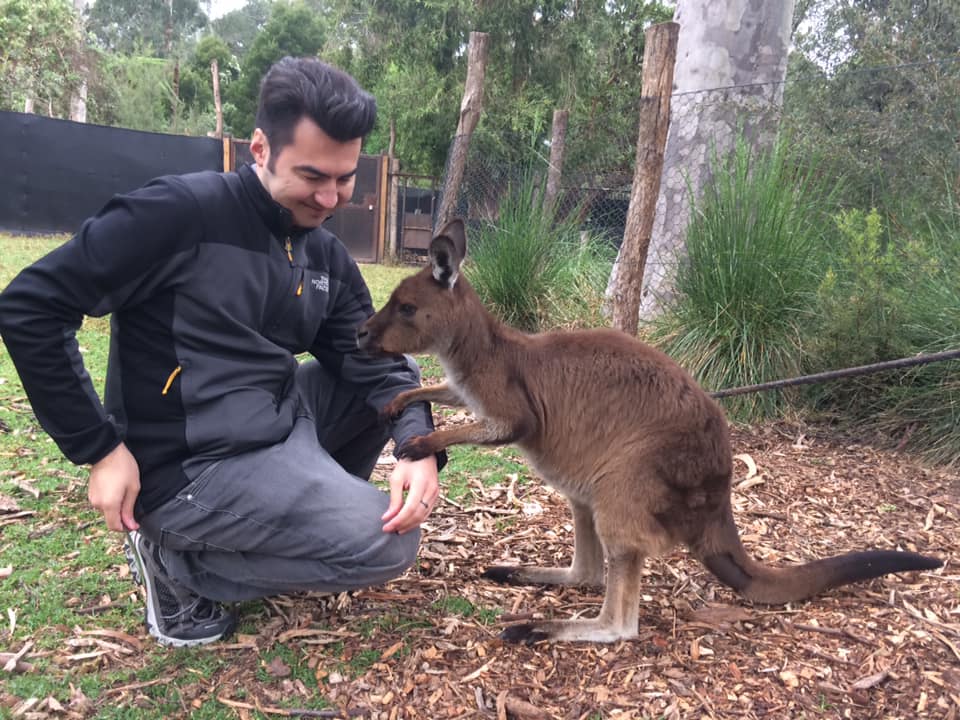
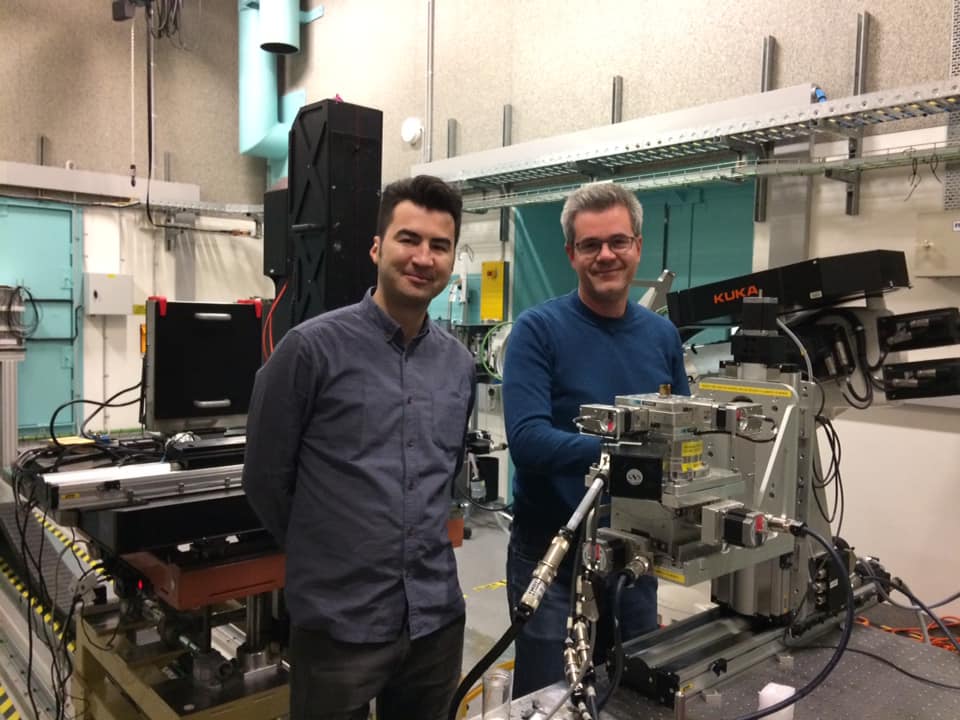
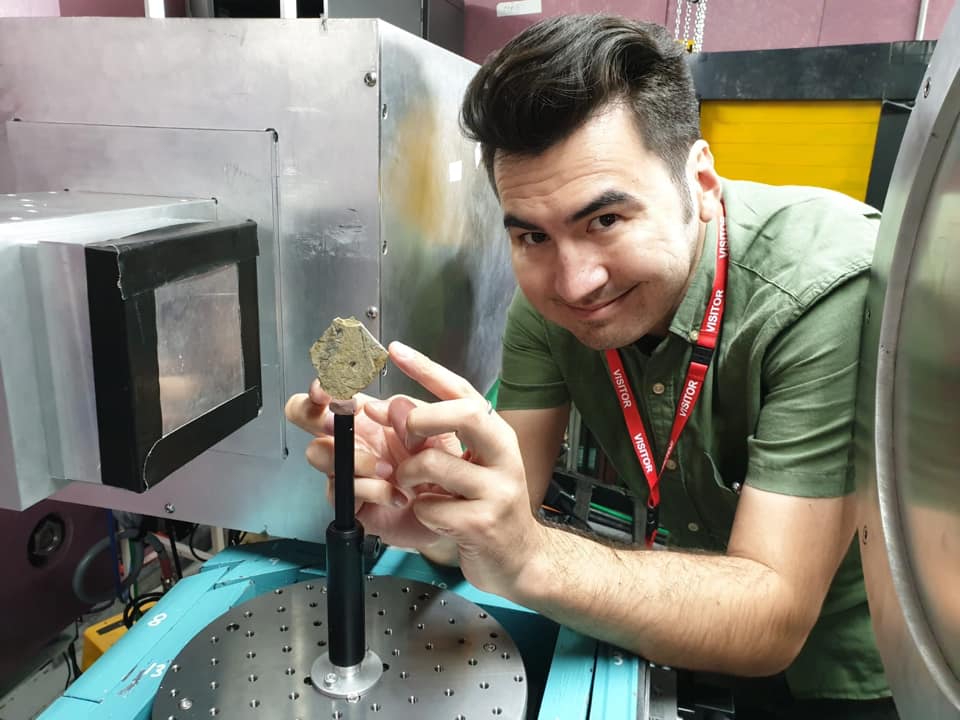
One of my favourite SVPs so far! It was a pleasure to moderate the bird origin and evolution session with Aurore Canoville and to contribute a talk on flight-related soft tissues. PhD student Arindam Roy talked about palaeocolour reconstruction at the podium symposium ‘From molecules to macroevolution’. Had an awesome experience conducting neutron and synchrotron imaging experiments with Joseph Bevitt of ANSTO.
Amniote palaeocolour reconstruction
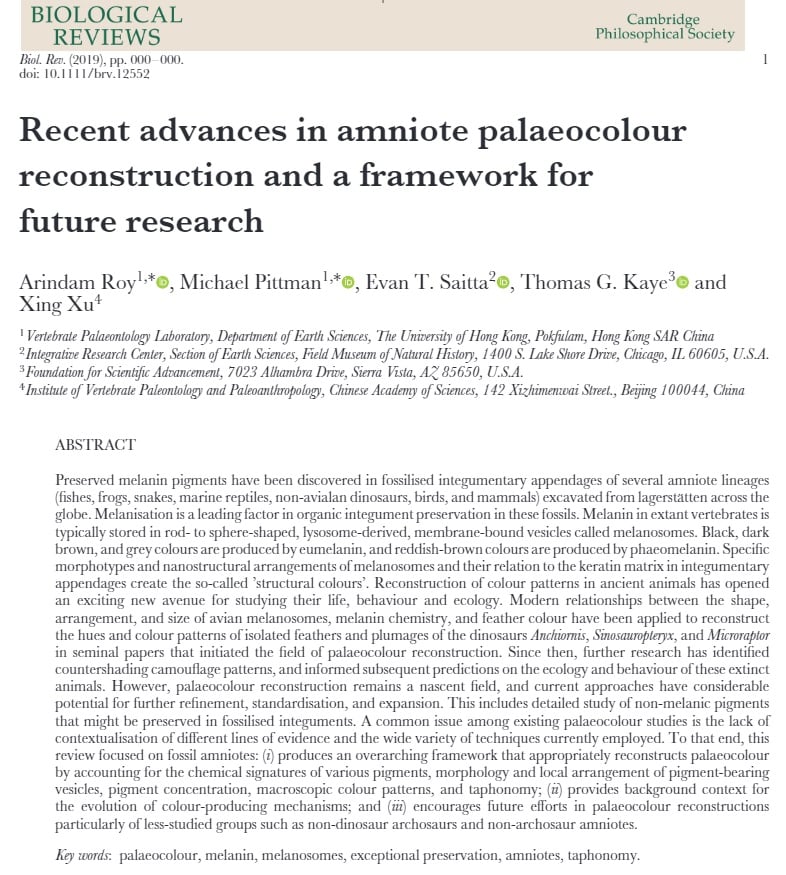
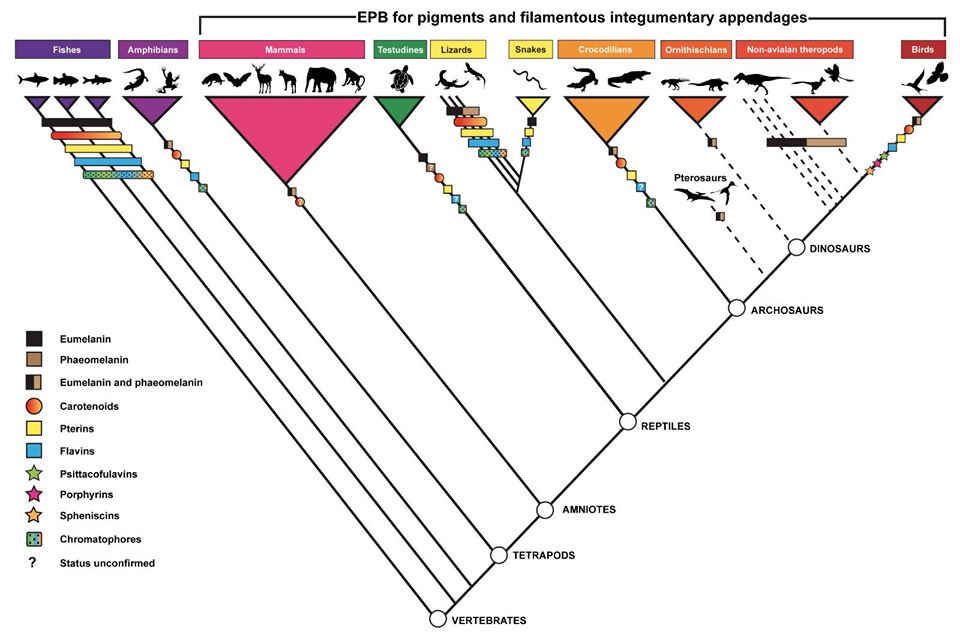
What colour were fossil animals? Find out about colour reconstruction in ancient reptiles and mammals as well as a new study framework in our open access Biological Reviews paper: https://onlinelibrary.wiley.com/doi/10.1111/brv.12552 Congratulations to Arindam Roy on his first peer-reviewed publication!
Summer fieldwork in Wyoming, USA
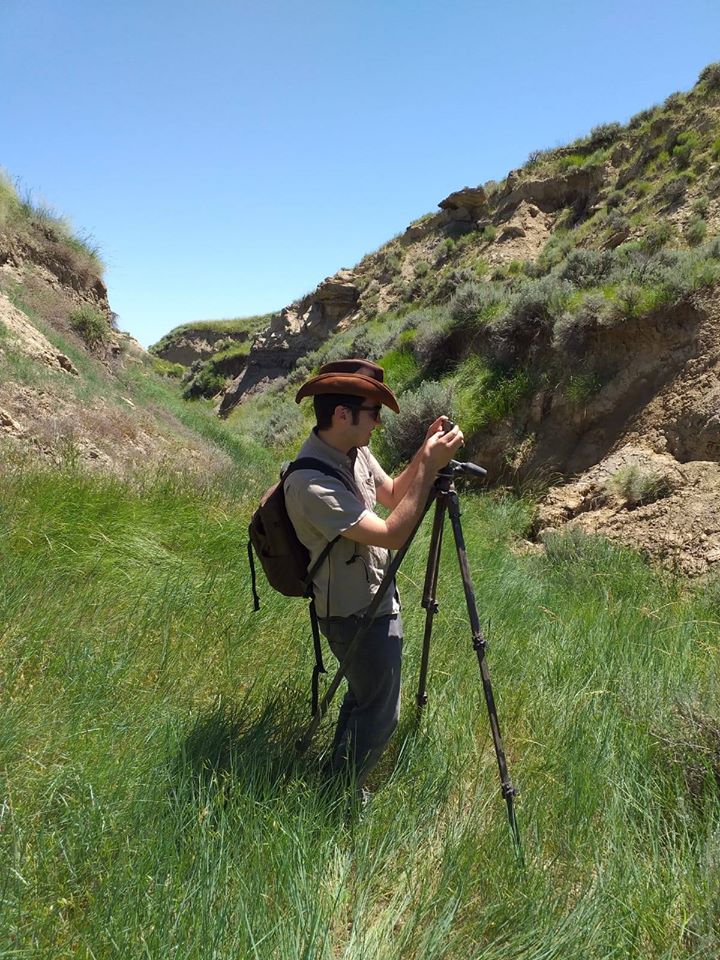
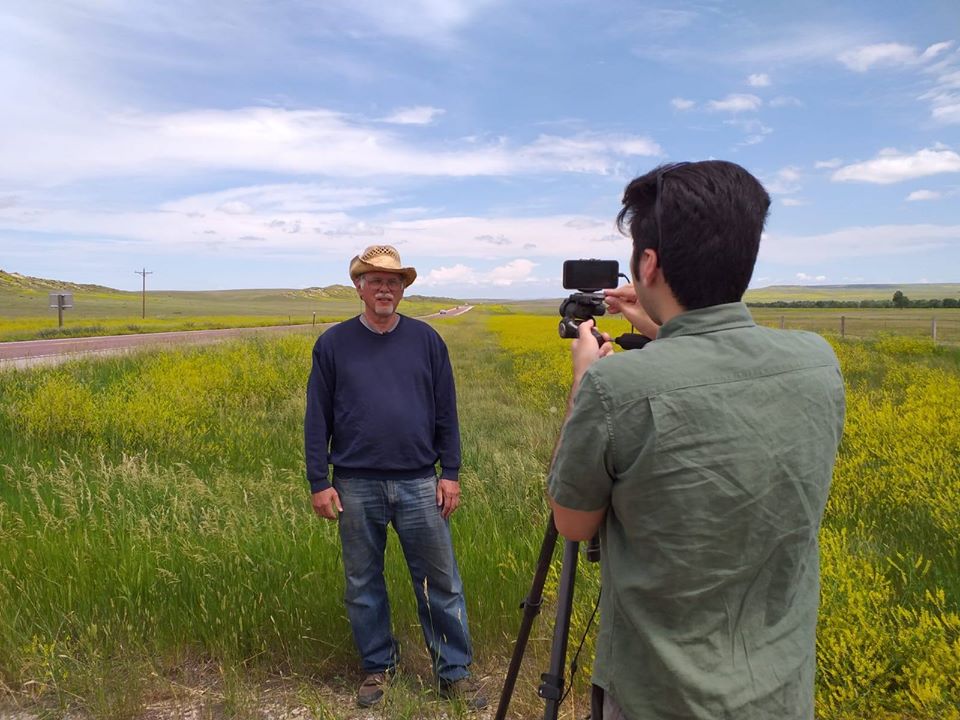
Summer fieldwork in central eastern Wyoming with Tom Kaye included a visit to the home of T. rex and Triceratops! 🦖🤠⛏
Early birds ready to fly after hatching
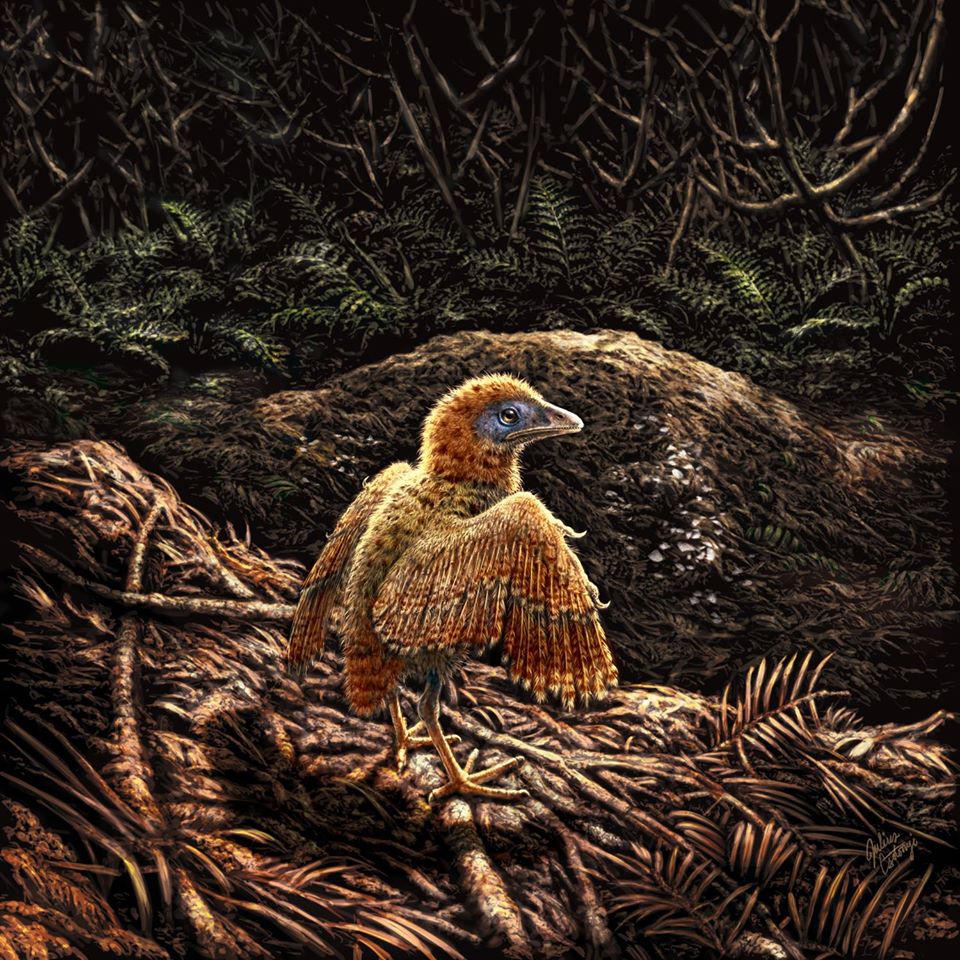
Using LSF imaging, we revealed feathering around the body of a ~126 million year old enantiornithine bird hatchling. 🐣 This indicates that it came ‘out of the egg running’ and was probably ready-to-fly! 🐥 This precocial strategy appears to be the primary one among early birds, unlike most living birds which have helpless newborns that require more parental care. Troodontids may also have been precocial so precociality probably had deeper theropod origins.
Identity of the first discovered fossil feather
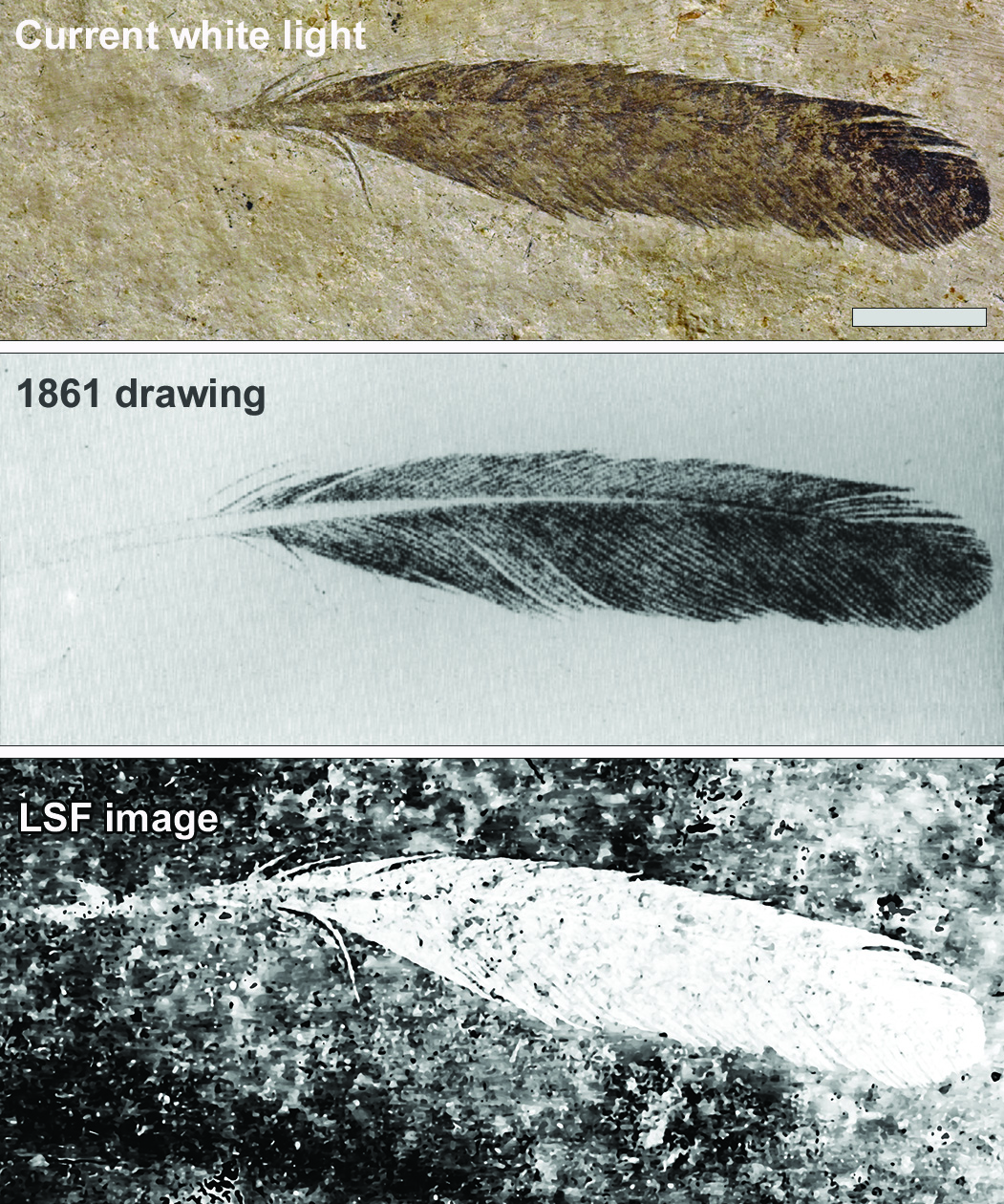
The first discovered fossil feather was originally referred to the iconic bird Archaeopteryx. Using LSF, we reveal that the long lost quill of the fossil specimen and use its complete morphology to show that it does not match the plumage of known Archaeopteryx specimens. Instead, the feather seems to belong to another feathered dinosaur! Scientific Reports:
https://www.nature.com/articles/s41598-018-37343-7
Highlights from December 2018 – January 2019 research trip to Argentina
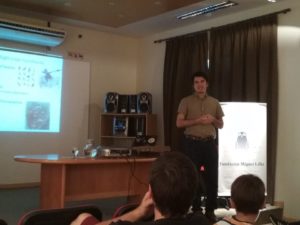
- Talk on theropod flight origins at Investigadores y Becarios UEL, Fundacion Miguel Lillo in Tucuman as a guest of Pablo Goloboff:
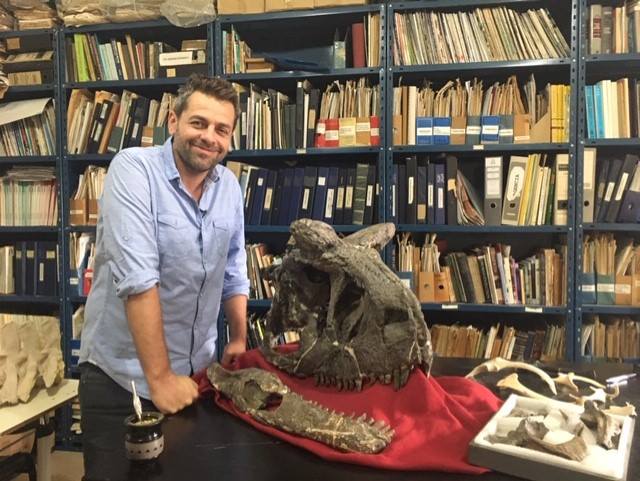
- Carnotaurus and paravian specimens at Museo Argentino de Ciencias Naturales in Buenos Aires w/ Fernandos Novas, Federico Agnolin and colleagues:
- Dinosaur footprints in the Maastrichtian Yacoraite Formation of Jujuy Province.
- Visits to spectacular Parque Nacional Talampaya & Parque Provincial Ischigualasto:
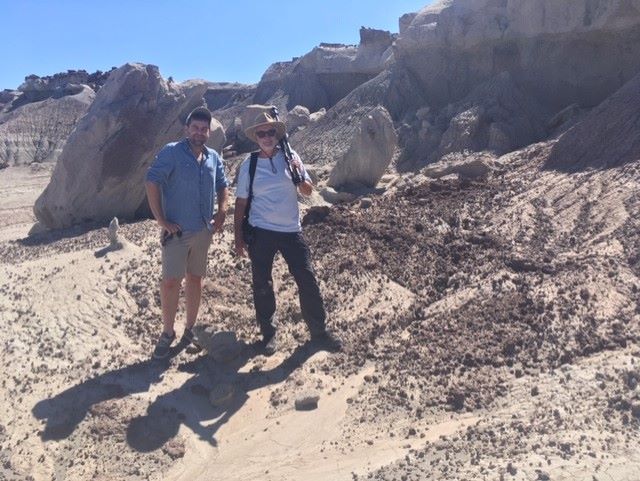
- Visit to Ricardo Martinez‘s lab and Museo de Ciencias Naturales, San Juan.
- Visit to Museo Paleontológico Egidio Feruglio in Trelew w/ Diego Pol
- Fieldwork in the Carnotaurus locality. Late Cretaceous & Palaeogene La Colonia Formation of Chubut Province
Pterosaur feathering discovery in Nature E&E
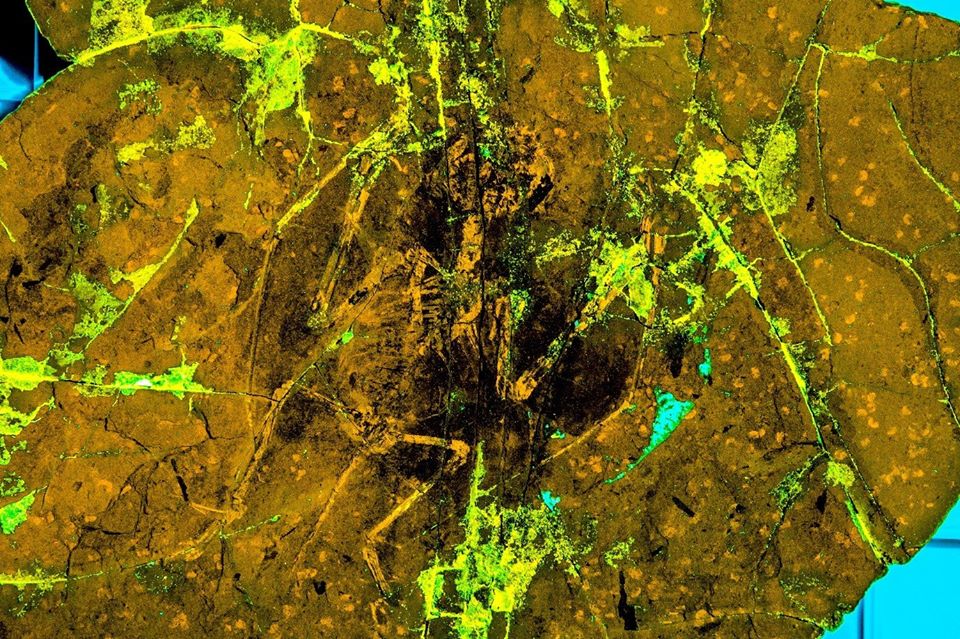
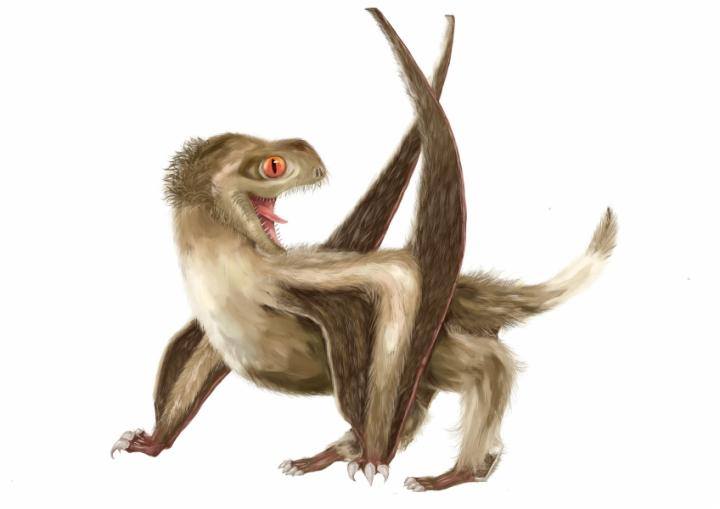
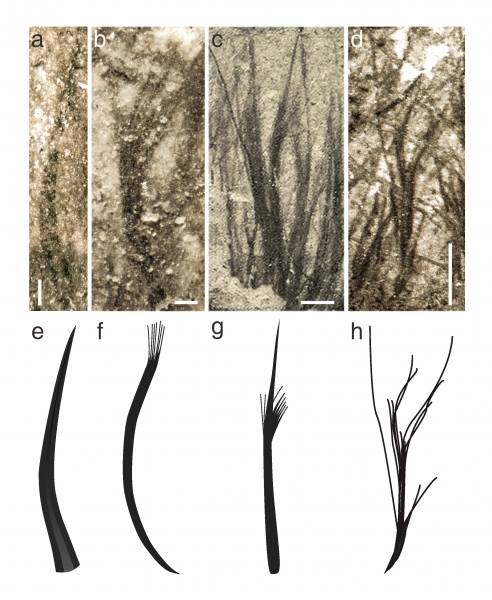
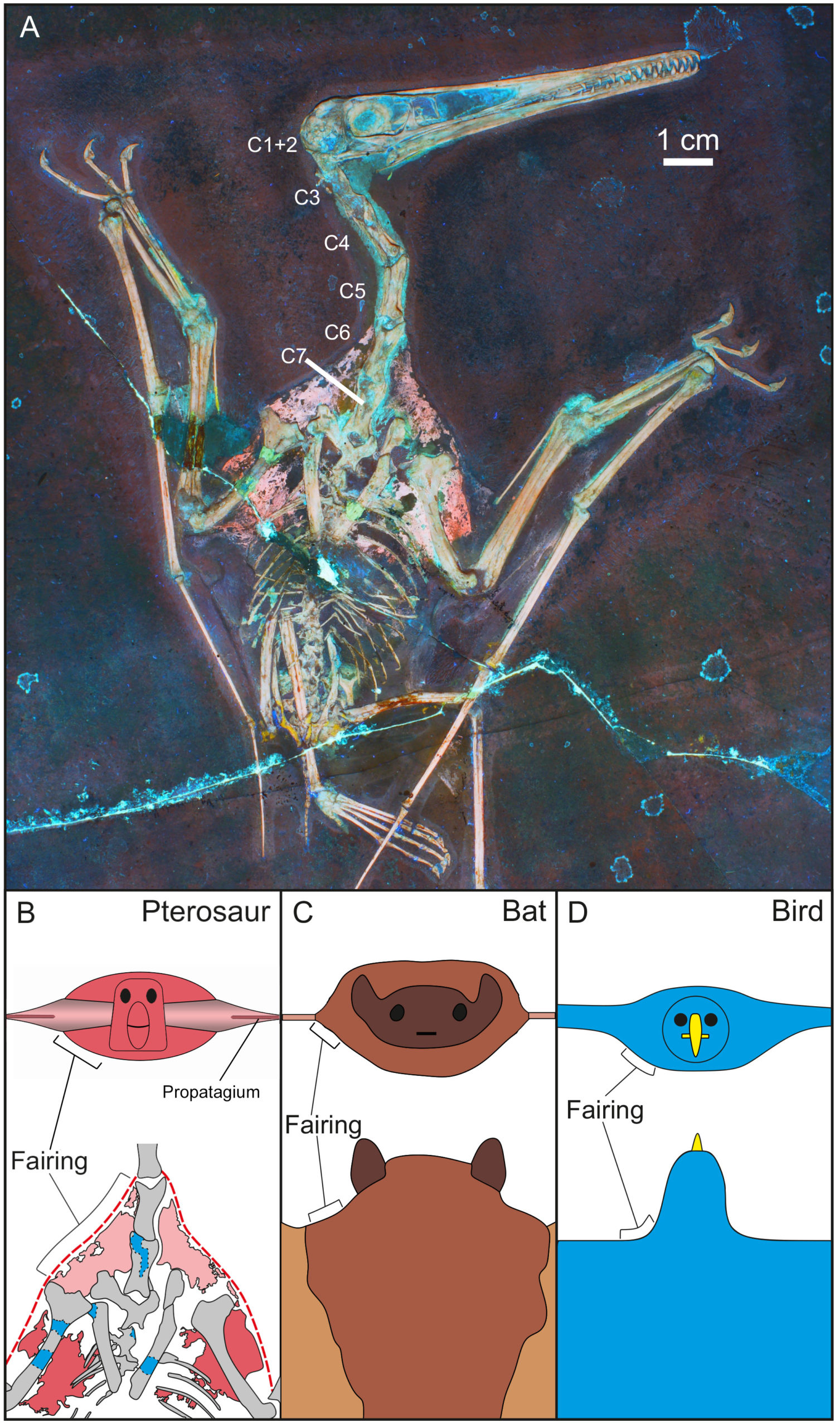
Delighted to share a co-authored Nature Ecology & Evolution paper w/ Michael Benton (University of Bristol) and Baoyu Jiang (Nanjing University) about pterosaur integumentary structures. It was a great pleasure to #LSF the Nanjing specimen with Tom Kaye to show the extent of its soft tissue preservation (black in the image). Integumentary structures we describe look just like those of feathered theropod dinosaurs, suggesting a deeper origin of feathers.
URL link to paper: https://rdcu.be/bdG7Z
HKU Press Release: www.scifac.hku.hk/press/release/drpittmanre
Bristol Press Release: www.bristol.ac.uk/ne…/2018/december/origin-of-feathers-.html
Nature Editorial: www.nature.com/articles/d41586-018-07800-4
International Media Coverage
Photonics: www.photonics.com/…/Laser-Based_Imaging_Technique_Un…/a64256
Geek.com: www.geek.com/…/it-turns-out-feathers-are-70m-years-older-t…/
Gizmodo: https://gizmodo.com/ancient-flying-reptiles-featured-distin…
BBC: www.bbc.com/news/science-environment-46572782https://www.nytimes.com/2018/12/17/science/pterosaur-feathers-fur.html
NY Times: www.nytimes.com/20…/…/17/science/pterosaur-feathers-fur.html
Live science: www.livescience.com/64324-pterosaurs-had-feathers.html
2018 Yidan Prize presentation & summit
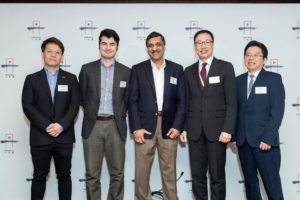
Left to Right: Prof. Ricky Kwok, Associate Vice-President (Teaching and Learning) HKU / Michael Pittman / Prof. Anant Agarwal, Founder and CEO of edX, 2018 Yidan Prize for Education Development Laureate / Prof. Chetwyn Chan, Associate Vice President (Learning and Teaching), The Hong Kong Polytechnic University / Prof. Ting-Chuen Pong, Director of Center for Engineering Education Innovation, HKUST
Honoured to represent HKU at these prestigious events. Lots of inspiration for my future teaching!
Thanks for joining us for the Second Edition of Dinosaur Ecosystems!
Hope you enjoyed the course. See you next time for the Third Edition.
Morphological Datasets Fit a Common Mechanism Much More Poorly than DNA Sequences and Call Into Question the Mkv Model
Delighted to share our paper in Systematic Biology: https://doi.org/10.1093/sysbio/syy077
Led by Pablo Goloboff & co-authored by me, Diego Pol + Xu Xing
HKU EarthSciences @ Information Day
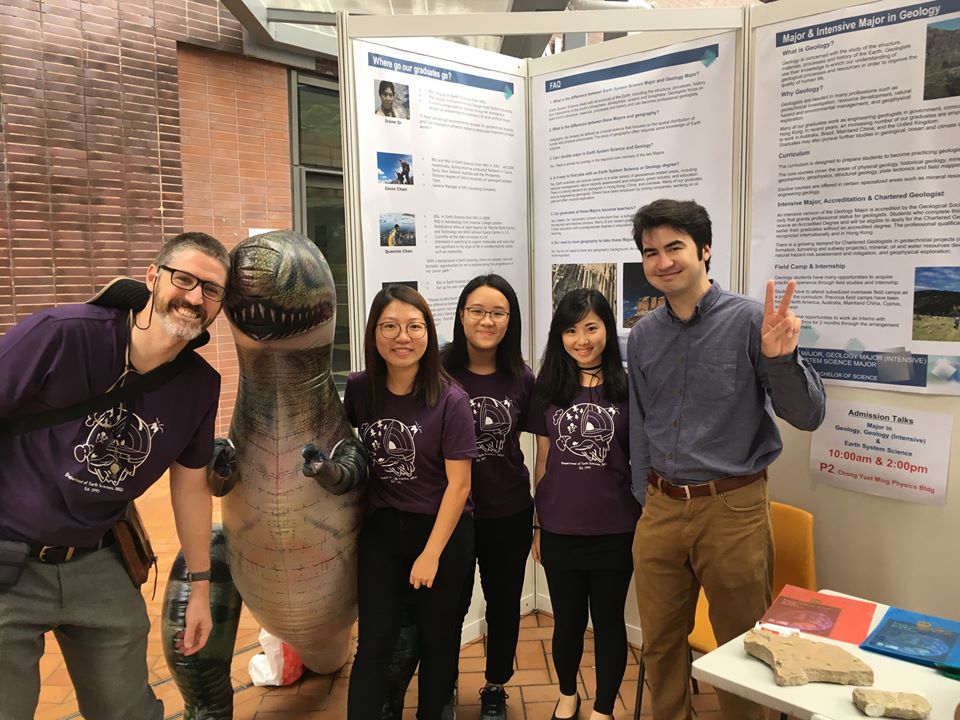
It was great connecting with prospective students. Thank you everyone for the fruitful Q&As at our booths next to the Stephen Hui Geological Museum & #YuetMingFoundationArea. As the Chairman of the departmental Outreach Committee I helped to organise the department’s contribution to this event.
Award for Teaching Innovations in e-learning
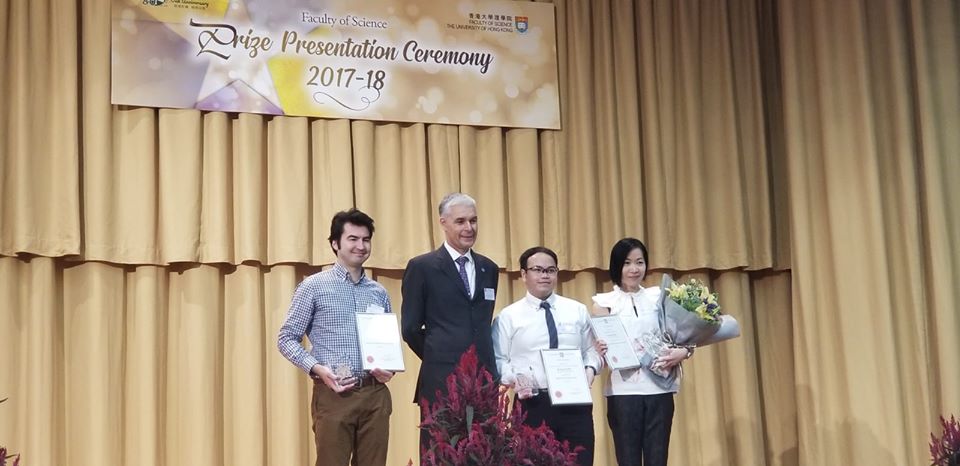
Delighted to share that I received Faculty of Science, The University of Hong Kong Award for Teaching Innovations in #elearning for my work on Dinosaur Ecosystems Thanks to the course team + students for making this possible!
Society of Vertebrate Paleontology #2018SVP Annual Meeting
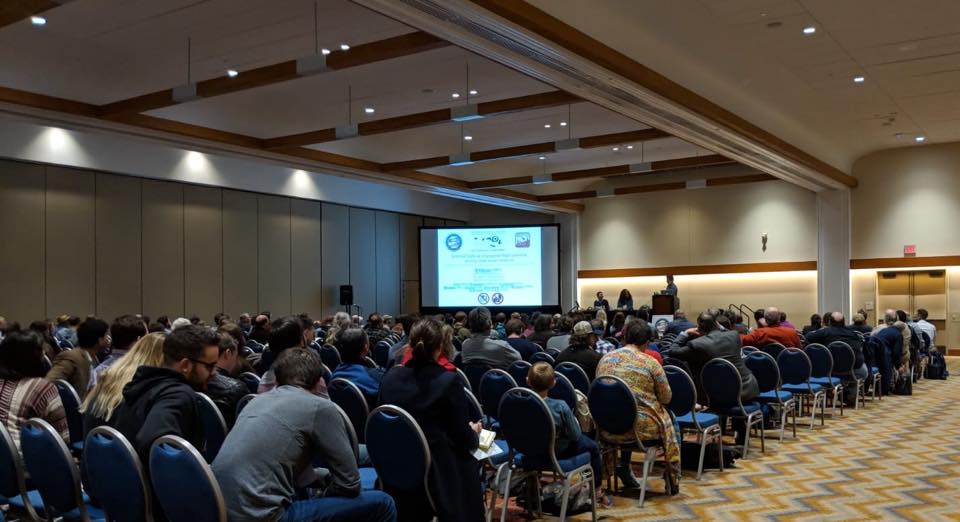
Thanks for coming to my talk on #theropod #flightorigins. Really appreciate the nice feedback. Congratulations to my students Arindam Roy and Raymond Fong on their first #SVP talks as PhD students. Talks on #Yiqi and #Lystrosaurus respectively.
Launch of HKU MOOC Dinosaur Ecosystems
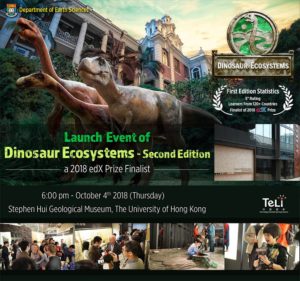
On October 4th 2018, we launched the second edition of Dinosaur Ecosystems, HKU’s prize-nominated MOOC course that I produced and teach. You can enrol for free at: www.edx.org/course/dinosaur-ecosystems Follow the course on Facebook and Twitter Find more about our nomination for the 2018 edX Prize for Exceptional Contributions in Online Teaching and Learning at https://blog.edx.org/congratulations-2018-edx-prize-finalists?track=blog
International Palaeontological Congress 5 – Paris, France
From July 9th – 13th, I attended the fifth International Palaeontological Congress in Paris, France. I presented two talks on theropod flight origins and my collaborator Diego Pol presented a third talk on our recent work on phylogenetic methods. The congress was really enjoyable and productive. I joined a post-congress fieldtrip to the famous Early Cretaceous Angeac-Charente locality, which involved helping with their on-going excavations. I produced this video on it as part of the upcoming second edition of my HKU MOOC Dinosaur Ecosystems.
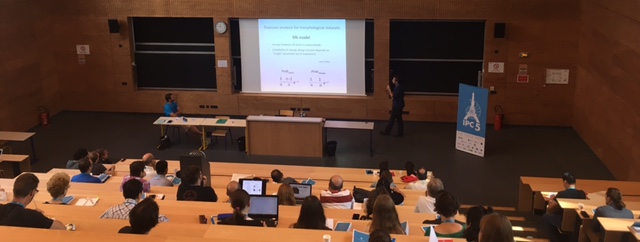
Diego presenting our talk
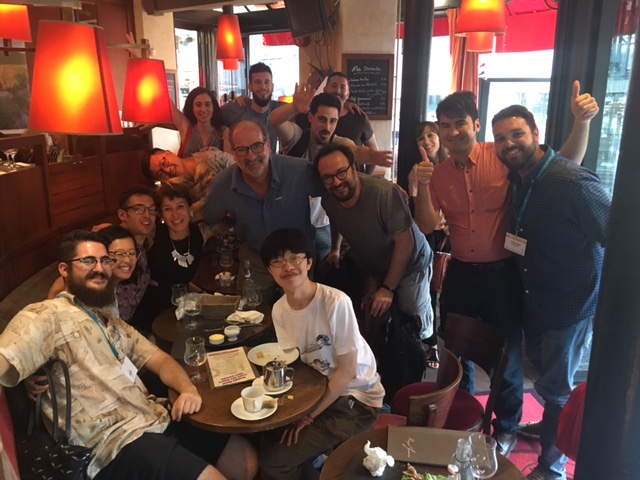
A gathering of bird researchers
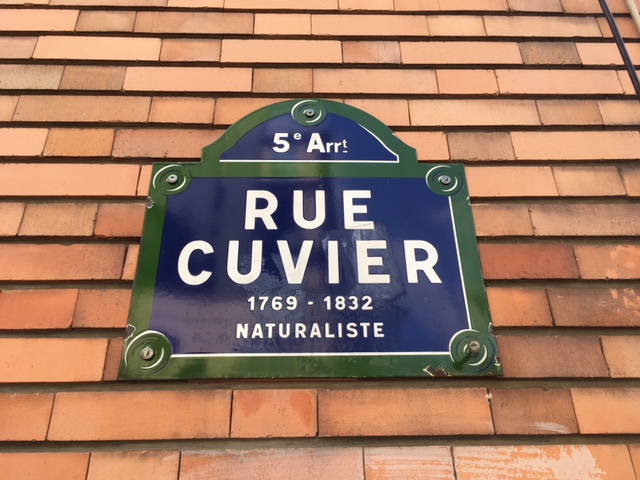
A road named after the famous naturalist
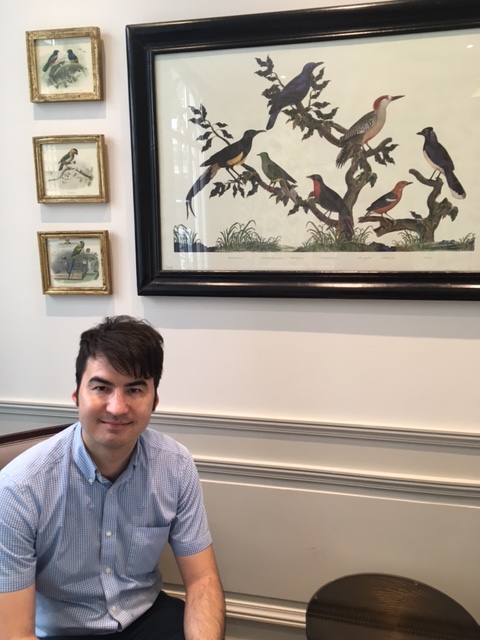
Even the hotel was bird-themed!
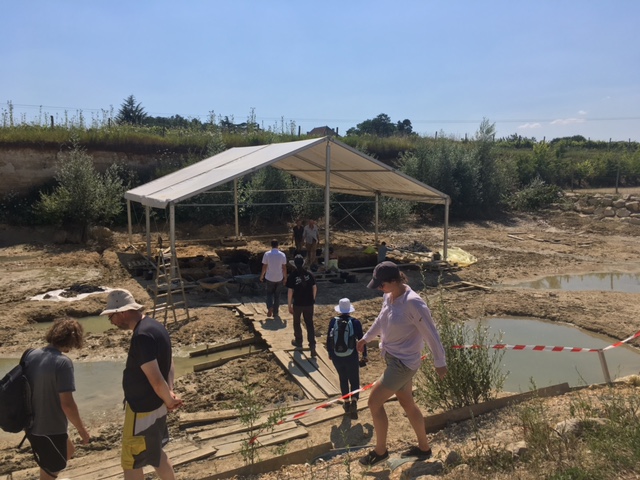
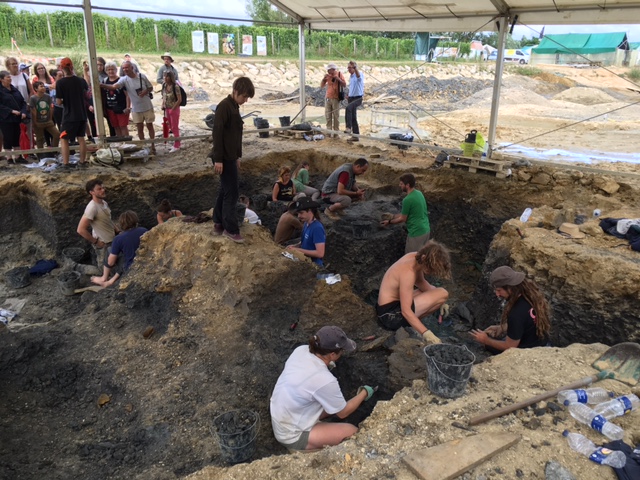
Excavations at the Angeac-Charente locality which is famous for its herd of ornithomimosaurs.
Inaugural International Pennaraptoran Dinosaur Symposium
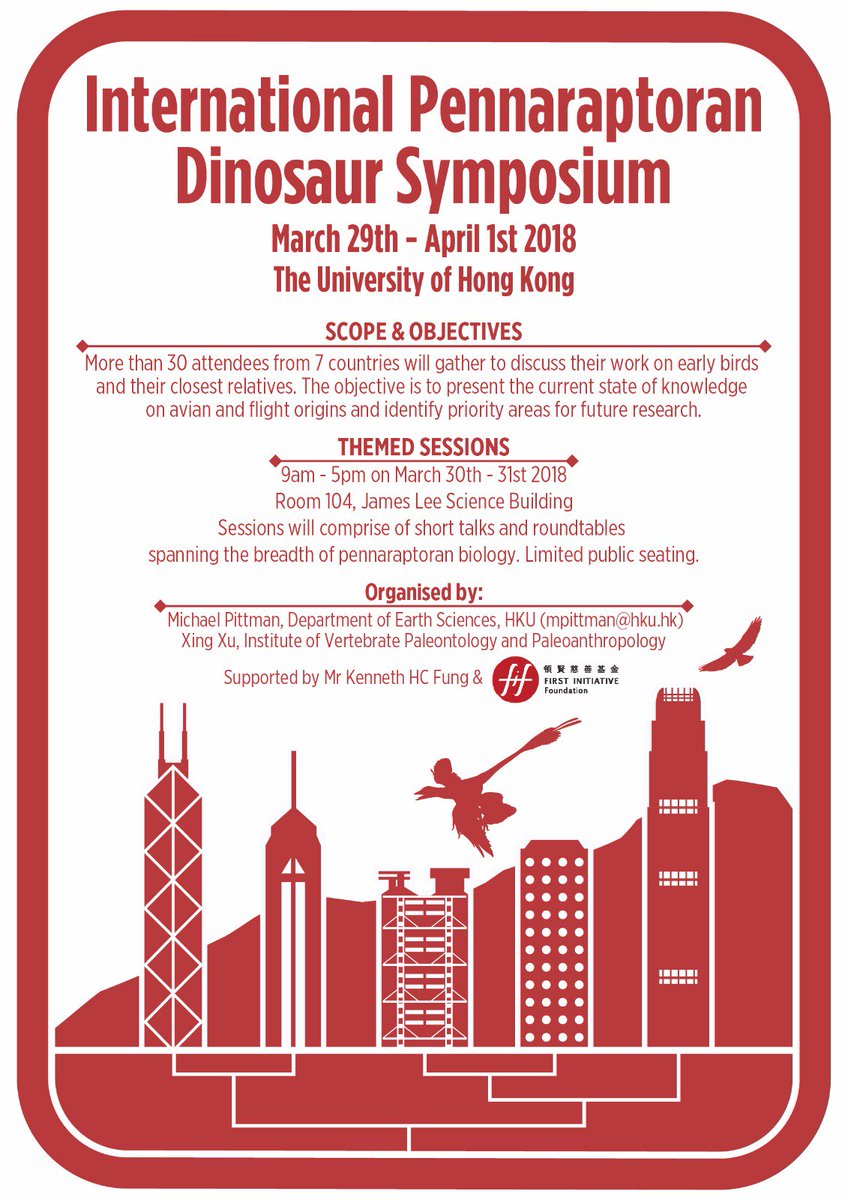
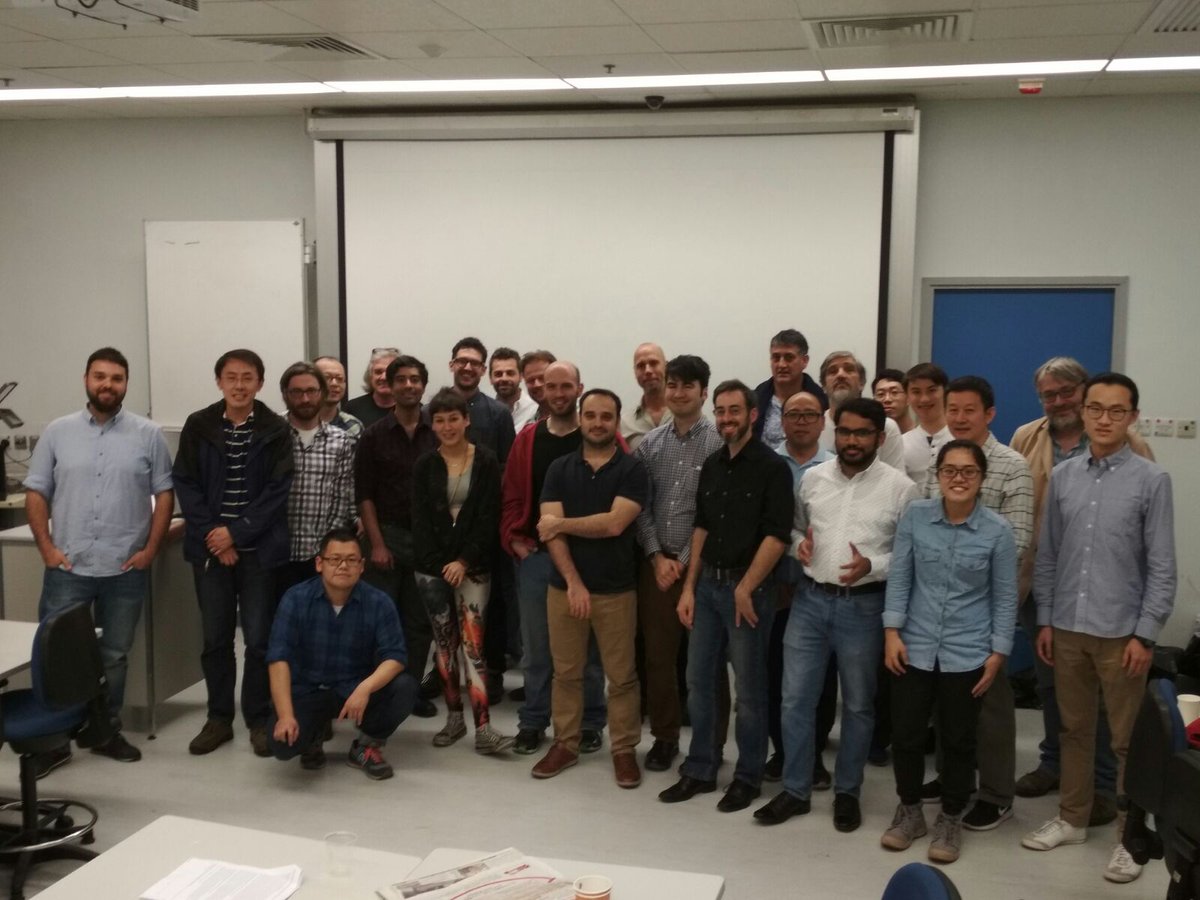
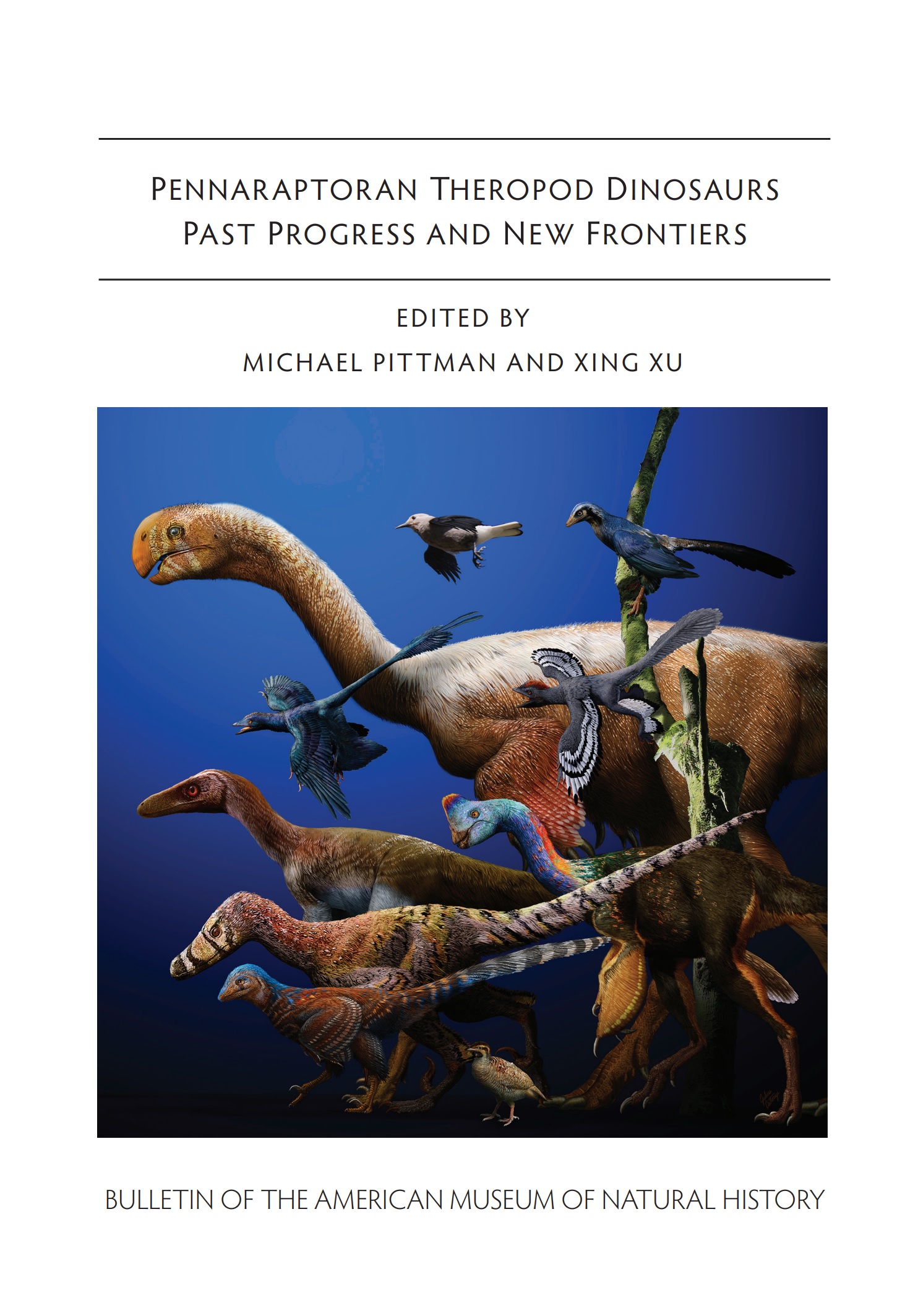
From March 29th-31st, our lab hosted the inaugural International Pennaraptoran Dinosaur Symposium at HKU with Xing Xu (IVPP). 30 attendees from 7 countries shared and discussed their work on pennaraptoran dinosaurs to deepen our understanding of avian and flight origins. The symposium: documented existing points of consensus and disagreement in the field; built consensus in new areas through symposium discussions; reported cutting-edge discoveries in new areas of research and discussed their future directions. The symposium results will be published in a journal volume in 2020 and focuses on the consensus that was built on unresolved issues.
Arindam Roy collecting his best talk prize on day 2. Josef Stiegler (GWU, USA) was awarded the best talk prize on day 1. Thanks to our judges Peter Makovicky and Hans Larsson!
A new species of crownward troodontid
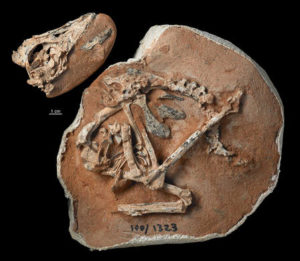
In December 2017, Rui Pei, an ex-VPL postdoc, announced the discovery of Almas ukhaa, a new species of later-diverging troodontid from the Late Cretaceous of Mongolia. Almas is described in the paper ‘Osteology of a new Late Cretaceous troodontid specimen from Ukhaa Tolgod, Ömnögovi Aimag, Mongolia‘ in American Museum Novitates.
Jaw of Gigantoraptor, the largest beaked theropod
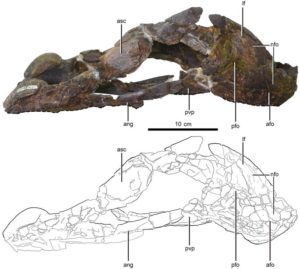
In November 2017, Fion Wai Sum Ma, an ex-undergraduate student of mine, published her first scientific paper in Scientific Reports on the ‘Functional anatomy of a giant toothless mandible from a bird-like dinosaur: Gigantoraptor and the evolution of the oviraptorosaurian jaw‘.
This paper is the first detailed description of the spectacular jaw of this iconic oviraptorosaur and leverages new insights to comment on oviraptorosaurian jaw evolution. This study was part of Fion’s faculty Overseas Research Fellowship and Final Year Project, both of which were co-supervised by Xing Xu of the IVPP. This project was completed in collaboration with colleagues in Inner Mongolia, including Lin Tan of the Longhao Institute of Geology and Paleontology.
Fion is continuing her work on the oviraptorosaur skull as an MSc student of Stephen Brusatte at the University of Edinburgh. Fion will be starting a PhD on the same subject at the University of Birmingham in October 2018 with Stephan Lautenschlager, myself & Richard Butler.
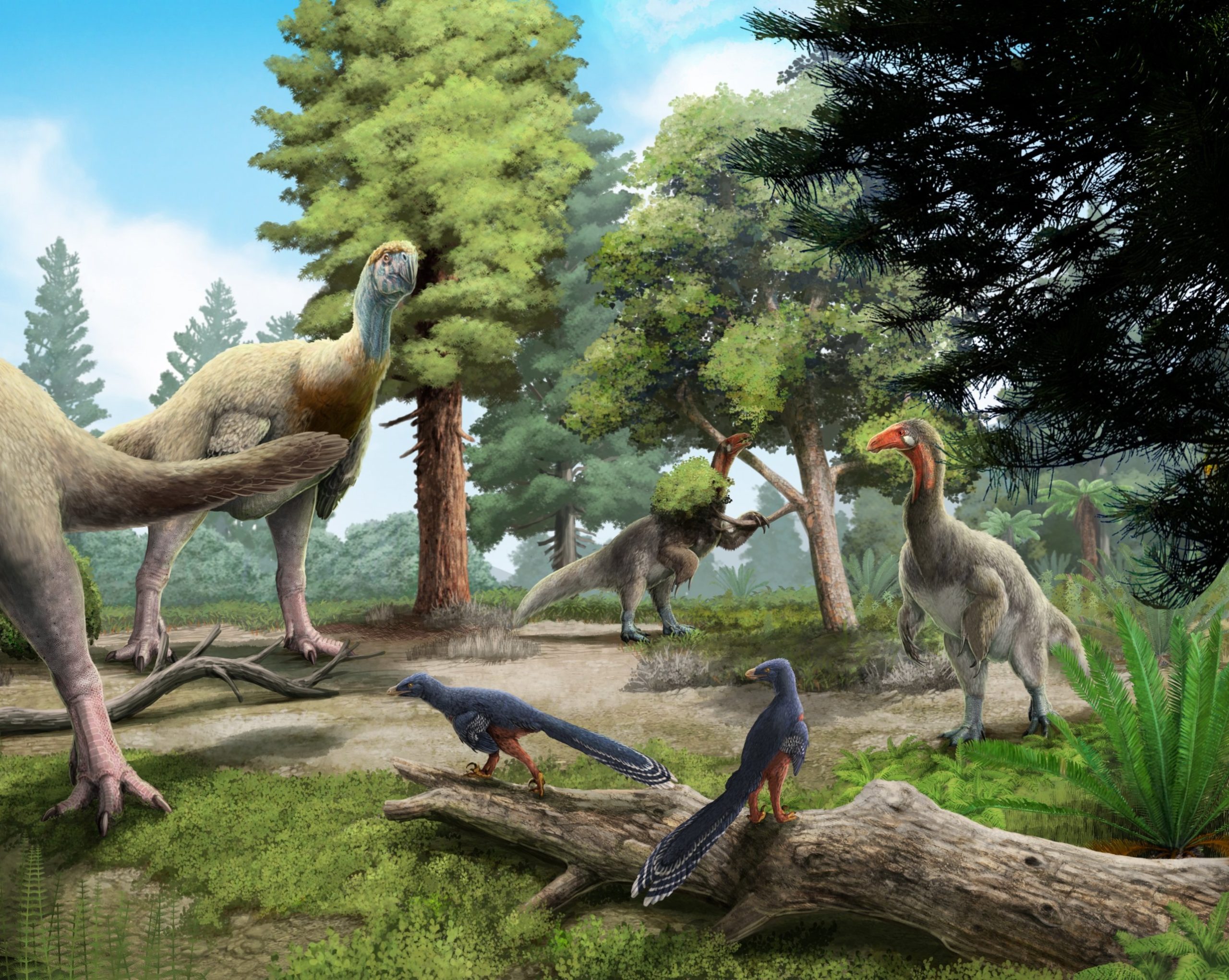
New asymmetrically feathered troodontid
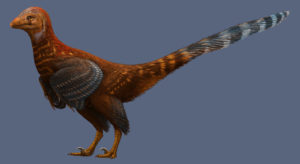
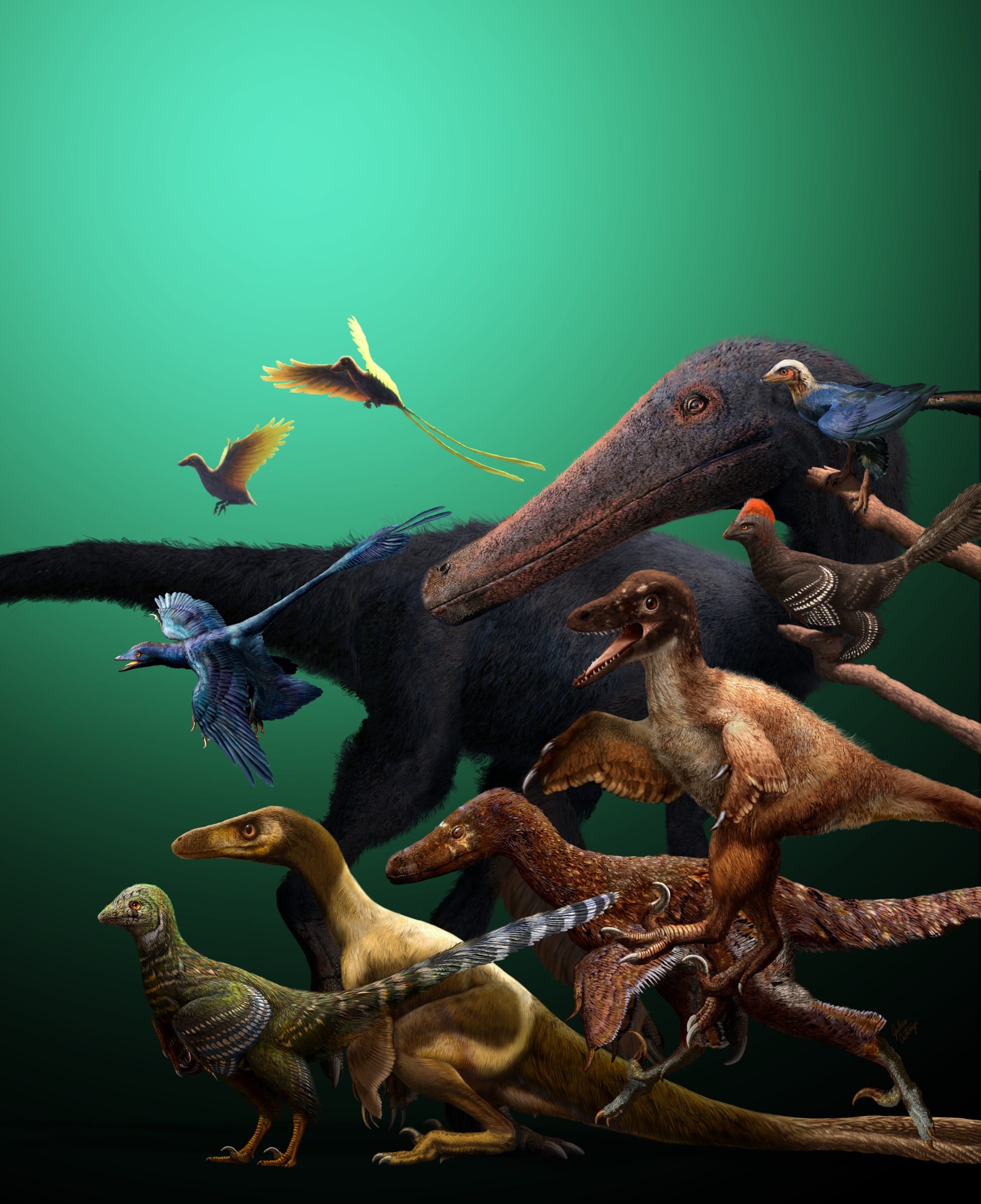
Jianianhualong tengi is an asymmetrically feathered troodontid from the Early Cretaceous of Northeastern China. It has transitional features and along with Sinusonasus provides evidence of mosaic evolution in troodontids. The asymmetrical feathers in this taxon represent the first record in a troodontid. Taken together with other paravian feathering data, this new find suggests that the common ancestor of Paraves possessed asymmetrical feathers too. The study is co-lead with Xu Xing of the Institute of Vertebrate Paleontology and Paleoanthropology (Chinese Academy of Sciences) and Philip Currie of the University of Alberta (Canada). Life reconstruction by Julius T. Csotonyi.
Select coverage at:
Forbes.com: www.forbes.com/sites/shaenamontanari/2017/05/02/a-newly-discovered-dinosaur-has-tail-feathers-like-modern-birds/#4bbcc1536c1d
National Geographic: http://news.nationalgeographic.com/2017/05/fossil-dinosaur-theropod-feather-evolution-discovery-china/ (commentary by Dr. Ryan Carney)
CBC: www.cbc.ca/news/technology/feathered-dinosaur-evolution-birds-1.4090351
am730 (in Chinese): www.am730.com.hk/news…
The Standard: www.thestandard.com.hk/section-news.php?id=182563
Feathered dinosaur Anchiornis in the flesh
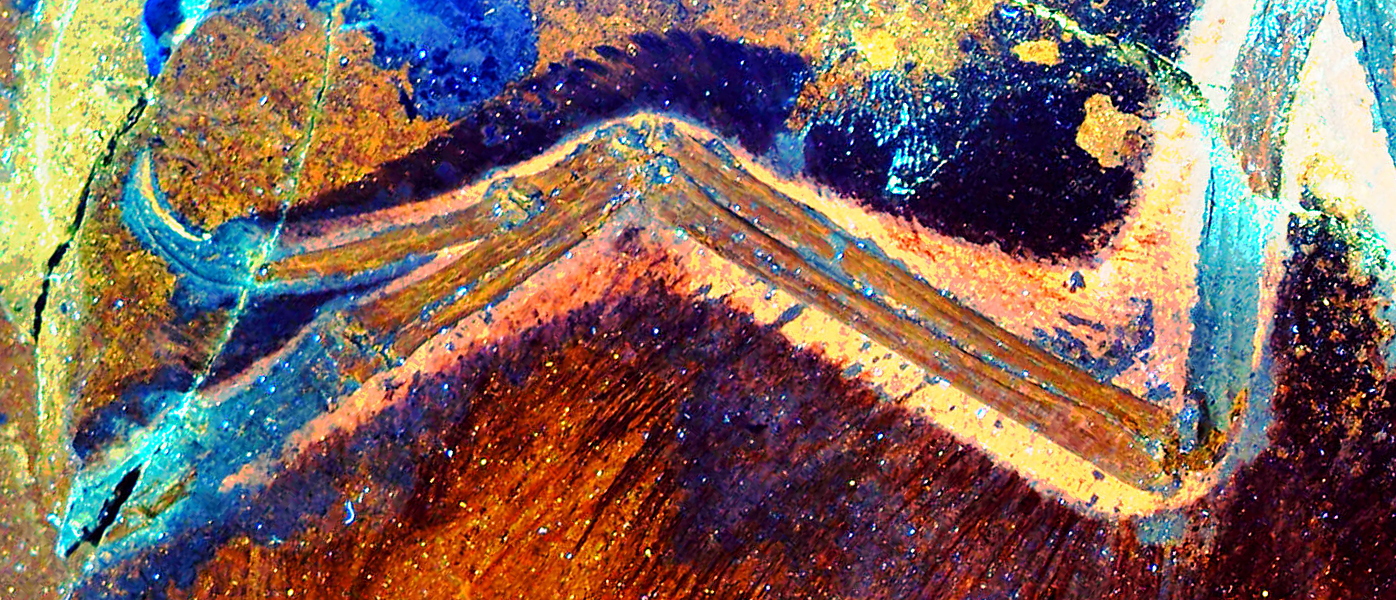
We produced the first quantitative body outline of a feathered dinosaur with the help of laser-based fossil imaging (laser-stimulated fluorescence imaging). We used these data as other soft tissue details of the wing and feet to comment on the functional anatomy of early-diverging paravians. The study is co-lead with Wang Xiaoli of Linyi University and features the spectacular fossils of the Shandong Tianyu Museum of Nature (China). Tom Kaye ensured our images were as good as they could be. We worked with the wonderful Scott Hartman to carefully produce this amazing body outline. Life reconstruction by Julius T. Csotonyi.
Video summary:
Select coverage:
National Geographic: http://news.nationalgeographic.com/…/anchiornis-bird-like-…/ (commentary from Prof. John R. Hutchinson)
BBC News: www.bbc.com/news/science-environment-39126987 (commentary from Dr. Stephen Brusatte)
Cosmos Magazine: https://cosmosmagazine.com/palaeontology/laser-scan-reveals-spectacular-hidden-details-of-dinosaur-fossil (commentary from Prof. Michael Benton and Prof. Phil Manning)
Christian Science Monitor: www.csmonitor.com/Science/2017/0228/How-lasers-are-helping-flesh-out-what-dinosaurs-actually-looked-like (commentary from Dr. Stephen Brusatte and Dr. Peter Makovicky)
Apple Daily (in Chinese): http://hk.apple.nextmedia.com/realtime/news/20170301/56369481